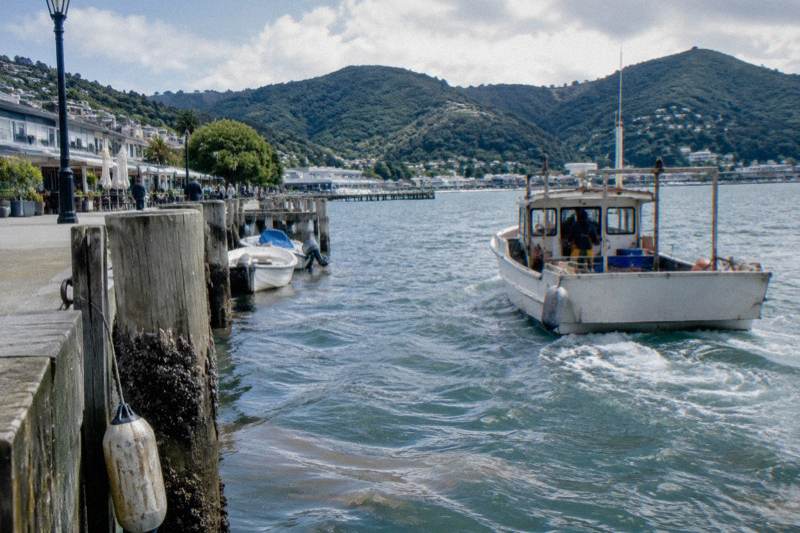
Picton Weather By Month: What It Means For A Sounds Cruise
Picton's weather swings from dry, settled February to a wet July, and the month you pick shapes which cruise runs, how calm the water is and what you should pack.
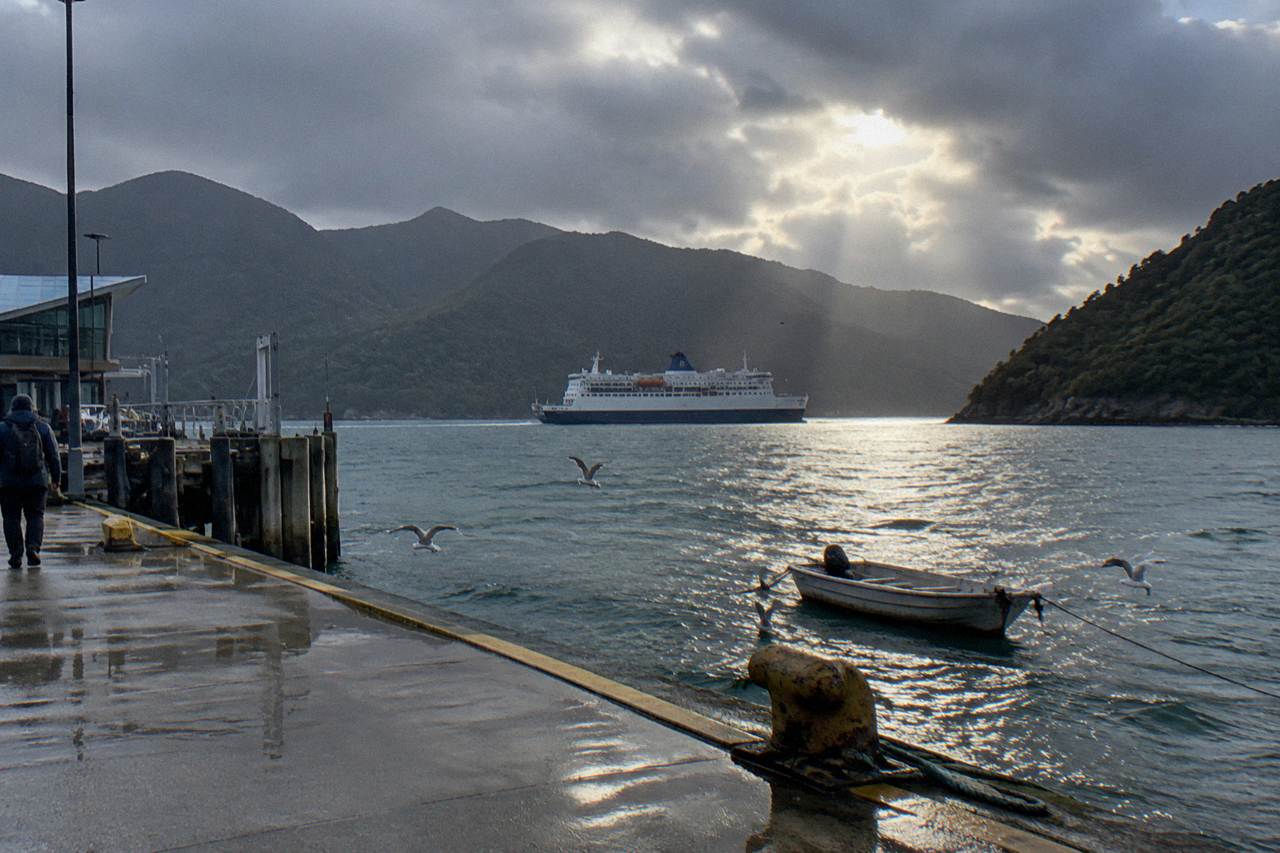
Short answer
Picton averages 1463 mm of rain a year. July is the wettest month at 207 mm across about 14 wet days; February is the driest at 65 mm across about 4 wet days. Summer cruises run most often, winter runs on fewer days with smaller boats, and no month is a bad one for the Sounds.
Rain, not temperature, is the number that matters in Picton. The town sits at the head of Queen Charlotte Sound, where the Picton Mail Boat Cruises site tracks the cruises, schedules and operators of the Marlborough Sounds, and the same front that soaks the outer Sounds on a Tuesday can leave the inner bays glassy by afternoon. This guide walks through Picton's rainfall and wet-day pattern month by month, explains what each season means for the water and the cruise schedule, and connects the numbers to the practical decisions: which cruise suits which weather, what a wet day on the boat actually looks like, and when to book around the winter timetable.
How Much Rain Does Picton Get Each Month?
Picton's weather station averages 1463 mm of rain across the year, and the spread between months is dramatic: July collects 207 mm over roughly 14 wet days, while February collects just 65 mm over about 4. Winter months, June through August, take around a third of the year's total rain, and summer is the quietest stretch of all. Those figures come from NIWA's Marlborough climatology record, drawn from the 1981 to 2010 normals, and they are the most reliable monthly picture available for the town.
| Month | Average Rain (mm) | Wet Days (1 mm Or More) |
|---|---|---|
| January | 87 | 6 |
| February | 65 | 4 |
| March | 101 | 7 |
| April | 104 | 7 |
| May | 112 | 8 |
| June | 145 | 10 |
| July | 207 | 14 |
| August | 151 | 10 |
| September | 121 | 8 |
| October | 140 | 10 |
| November | 133 | 9 |
| December | 98 | 7 |
Two things stand out from that table. First, even the wettest month is not a washout: 14 wet days in July still leaves more than half the month dry. Second, the "dry" label is relative, because this is still the Sounds, where the wider region collects roughly 1600 to 1800 mm a year and the ridges catch more than the town does. Picton itself sits in a sheltered corner compared with Havelock, which records 1733 mm, and far wetter than Blenheim at 650 mm in the rain-shadowed Wairau Valley. Blenheim earns its description from NIWA as one of the sunniest towns in New Zealand, which is worth remembering for visitors basing themselves inland and driving to the water for the day. The full regional picture is in NIWA's Marlborough climatology report.
For a cruise, the monthly average is a planning signal rather than a forecast. A February booking carries the lowest statistical chance of rain, a July booking the highest, and the difference between them is real but not decisive, because cruises run in every month and the Sounds' sheltered geometry softens most weather that arrives. One more nuance helps: the rainfall ramps up steadily through late autumn, May's 112 mm becoming June's 145 mm, then falls away just as steadily from August onward, so shoulder months on either side of winter behave more like their neighbours than like the July peak.
What Does Each Season Mean For A Picton Cruise?
Summer, October through April, is the settled season: cruise schedules run at full frequency, days are longer and February is the driest month on the record. Autumn and winter bring more rain, fewer departures and smaller vessels, but operators describe the colder months as some of the best for glassy calm water and more marine life. Spring sits in between, with the year's strongest winds. The pattern shapes both what you see and which boats are running.
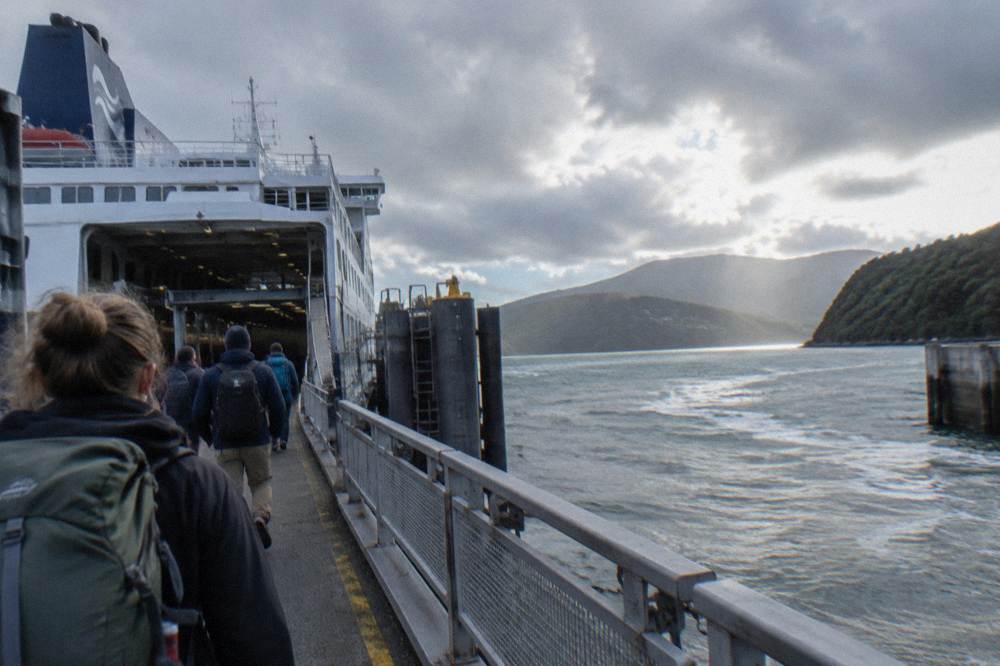
Summer is when the timetable fills out. The Beachcomber mail run, for example, operates Monday to Saturday from 1 October with a 1.30pm departure, per the operator's page, then drops back to Monday, Wednesday and Friday for winter between 1 May and 30 September. The operator also notes that winter runs use smaller vessels and no hot drinks. That single schedule change is the clearest weather signal in Picton cruising: the demand and the conditions both shift in May and shift back in October.
Autumn is the quiet bargain. April averages 104 mm of rain, barely more than March, and the summer crowds have gone. The Pelorus Mail Boat's operators say autumn and winter weather can be some of the best of the year on the water, with calm, glassy conditions and more dolphins about, though that is an operator's description rather than a promise. Winter, for all its 207 mm Julys, delivers something summer rarely does: still water in the inner Sounds between the fronts.
Spring is the wind season. NIWA's record shows strong winds peaking in spring and summer across Marlborough, with the outer Sounds exposed to Cook Strait gales while the inner bays stay sheltered. A spring cruise that hugs the inner Sounds, which most Picton departures do, feels very different from the forecast for the open coast. September and October also carry 121 mm and 140 mm of rain respectively, so a spring visitor gets the double edge of the year's breeziest months alongside moderate rainfall, and the pay-off is a coast waking up: longer days, fresh growth on the ridges and the first of the settled windows that open into summer. For anyone weighing paddling against riding on a breezy spring day, the guide to Marlborough Sounds kayak and cruise combos explains how to split a day between sheltered bays and open water.
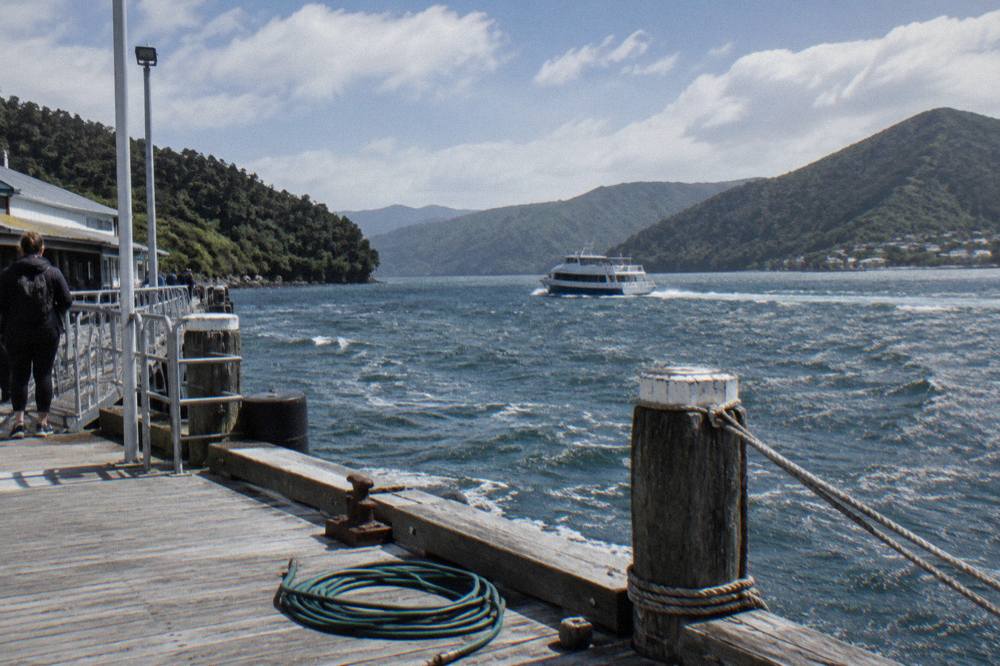
For readers weighing a specific month against a specific cruise, the pairing of weather and schedule matters more than either alone, and the details are laid out in the site's best month for a Marlborough Sounds cruise guide.
Three Picton options cover the weather spectrum well. The 3.5 Hour Marlborough Sounds Delivery Cruise runs 3 hours 30 minutes from Cougar Line at 1 London Quay, from $74.77 per person, rated 4.5 across 76 reviews. The Half-Day Cruise in Marlborough Sounds from Picton, 3 hours 30 minutes from 1 London Quay, starts at $69.02 per person with a 4.3 rating across 156 reviews. The Endeavour Inlet cruise with lunch is the full-day choice, 7.5 hours from $91.00 per person, rated 4.5 across 18 reviews, and its included lunch makes a long day in changeable weather simpler to plan around.
Does Rain Cancel A Marlborough Sounds Cruise?
Rarely. The Sounds are sheltered by comparison with the open coast, and operators describe weather cancellations as uncommon; the Pelorus Mail Boat calls it rare for the boat not to run. Most cruises sail in light rain, and the practical effects are a cabin seat, a rain jacket and cloud, not a refunded ticket. Cancellations happen when wind and sea state make a specific route unsafe, not because the sky is grey. The decision belongs to the skipper on the day.
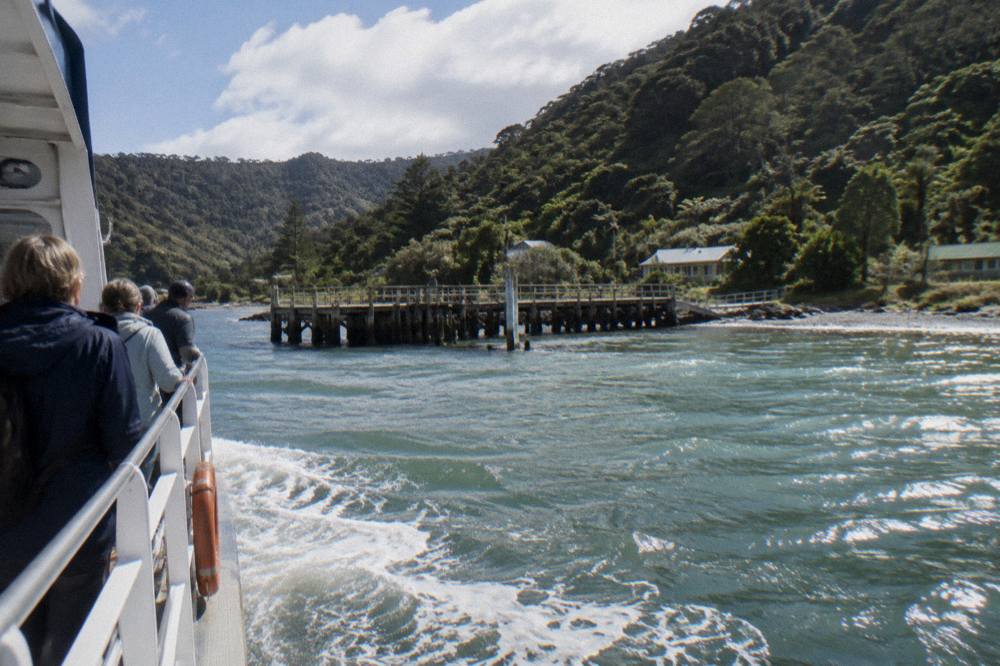
What actually stops a boat is wind direction and fetch, the distance wind travels across open water to build a sea. A strong northwesterly that whips the outer Sounds can leave an inner-bay route almost flat, which is why the Beachcomber mail run's routes differ by weekday and are confirmed at check-in, and why a skipper may swap a planned leg for a sheltered alternative rather than cancel. Passengers booked on the mail boat can check the route question in the Picton mail boat schedule and cost guide before they travel.
Rain changes the experience in smaller ways. Sea state, not rainfall, is what drives motion discomfort, so readers prone to seasickness will find the timing advice in seasickness on a Marlborough Sounds cruise more useful than any rain forecast. It also pays to check the specific cancellation basis for the trip you book: the delivery cruise, the half-day scenic cruise and the Endeavour Inlet lunch cruise all carry free cancellation up to 24 hours before departure, while the dolphin swim eco tour runs on a weather and minimum-number policy instead, so its terms read differently when a front is due.
A weather-flexible booking policy takes most of the sting out of a wet forecast. The 3.5 Hour Marlborough Sounds Delivery Cruise allows free cancellation up to 24 hours before departure, as do the half-day scenic cruise and the Endeavour Inlet lunch cruise. Book the day you want, watch the forecast, and hold the cancellation window until it closes.
Which Picton Cruises Suit Which Weather?
Sheltered half-day cruises such as the delivery cruise and the scenic half-day option suit breezier days, because they stay inside Queen Charlotte Sound. Longer trips, the Endeavour Inlet lunch cruise at 7.5 hours and the Havelock-based Pelorus mail boat, reward settled weather because they commit you to a full day on the water. Wildlife tours with island landings add a second factor: the shore excursion matters as much as the sailing. Matching the trip to the forecast is the single best weather decision a visitor makes.
| Cruise | Duration | From (USD, Per Person) | Weather Fit |
|---|---|---|---|
| 3.5 Hour Marlborough Sounds Delivery Cruise | 3 hours 30 minutes | $74.77 | Short and inner-Sounds, works on most days |
| Half-Day Cruise in Marlborough Sounds from Picton | 3 hours 30 minutes | $69.02 | Scenic bay circuit, good in light rain |
| Queen Charlotte Sound: Cruise to Endeavour Inlet with Lunch | 7.5 hours | $91.00 | Best on a settled forecast, lunch included |
| Queen Charlotte Sound Mail Boat Cruise from Picton | 4 hours | $91.00 | Route adapts by day, confirmed at check-in |
| Marlborough Sounds Cruise with Ship Cove Stop | 3 hours | $82.00 | Landing stop, worth a dry window |
The mail boat row deserves its own note. The Queen Charlotte Sound Mail Boat Cruise from Picton, rated 4.7 across 611 reviews, the most reviewed cruise covered on this site, is a working delivery run, and its purpose gives it weather tolerance that a pure sightseeing trip lacks: the boat goes where the mail goes, at a pace set by the deliveries. Its route changes by day and is confirmed at check-in, so it doubles as a low-risk pick when the forecast is uncertain.
The Ship Cove cruise is the opposite bet. It lands you at Meretoto, Ship Cove, where Captain Cook anchored on all three of his voyages and where the monuments, the reserve and the start of the Queen Charlotte Track all sit a short walk from the jetty, as the DOC Ship Cove page records. A landing stop is best paired with a dry window, and the cruise, 3 hours from $82.00 per person and rated 4.3 across 296 reviews, lets you use the morning forecast to pick your day.
Food-forward trips split the difference. The Seafood Odyssea cruise, 3 hours from $86.28 per person and rated 4.7 across 136 reviews, includes a tasting, which makes a showery afternoon materially more pleasant, and it departs from Town Wharf 6 at Picton Marina, minutes from the town centre. Duration is the other lever: a 3-hour trip in uncertain weather commits you to far less than a 7.5-hour one, so travellers hedging against a changeable forecast can shorten the exposure rather than cancel it.
Is Winter A Bad Time To Cruise The Sounds?
No, with two adjustments. Winter in Picton means more rain, 207 mm in July against 65 mm in February, and a reduced timetable, with the Beachcomber mail run dropping to Monday, Wednesday and Friday from May through September. In return, winter delivers the Sounds' calmest water between fronts, smaller groups and operators reporting more marine activity, so travellers who can pick their window within a week often get the best conditions of the year.
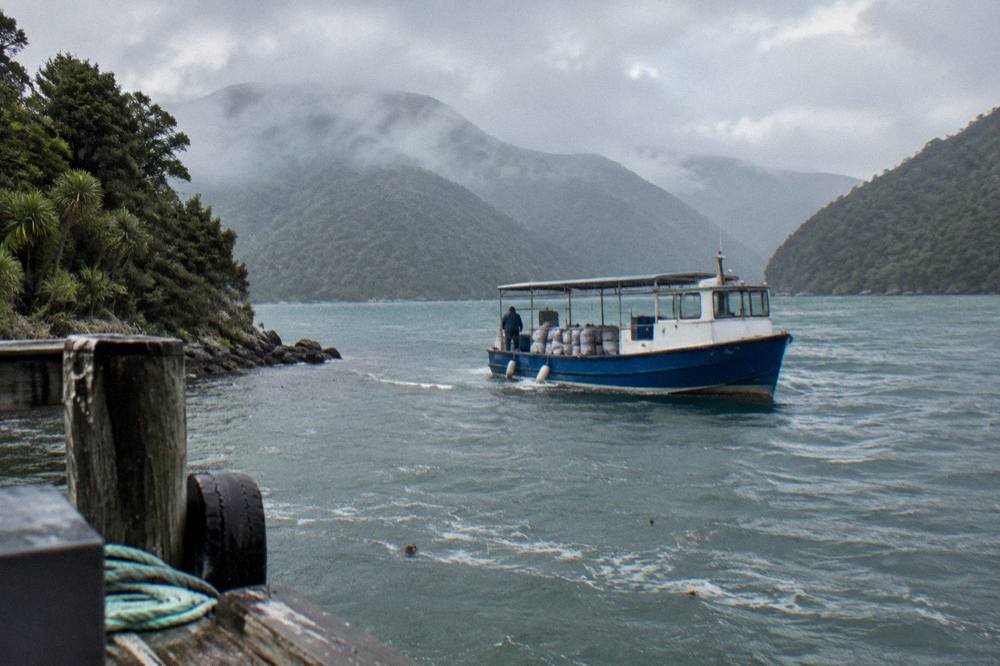
The reduced winter schedule is the main planning friction. Fewer departure days means a Saturday-only visit in July may find the mail boat not sailing, and the smaller winter vessels mean the hot-drinks service stops on the mail run. On the other hand, the same winter quiet applies to the water: NIWA's record shows winds at their weakest in winter across the region, which is why the glassy-water claim from operators carries weight even though it stays a description, not a guarantee.
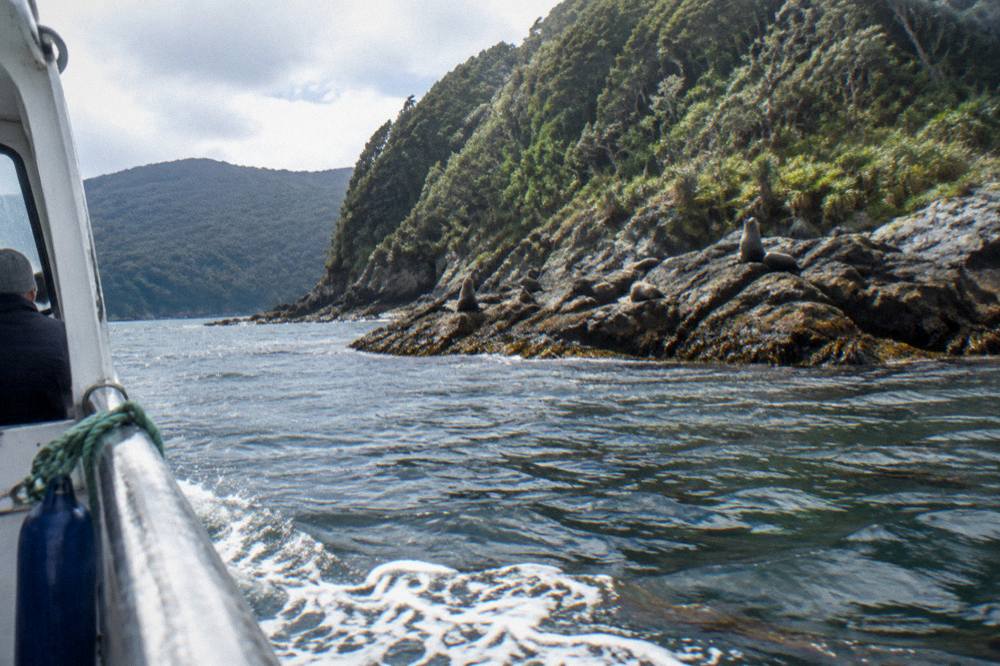
Wildlife is the second argument, and it shifts with the seasons. Fur seals gather around Kaipupu, orca are also sighted in the Sounds, and dolphin species include dusky, bottlenose and the rare, endemic Hector's dolphin. Sightings are never guaranteed in any season, but the operators' own seasonality notes lean toward the colder half of the year for calm-water viewing. The full species picture, with the rules that protect them, is in the Marlborough Sounds wildlife cruise guide.
The Havelock-based Pelorus Mail Boat runs its own winter rhythm: Monday, Wednesday and Friday at 10am with check-in from 9.30am, returning mid to late afternoon depending on deliveries, tide and wildlife. Its operator notes that the Sounds are sheltered enough that weather cancellations are rare, with a full refund or an alternate date offered on the rare occasion the boat cannot run, and that bookings can be changed up to 24 hours ahead. That is about as weather-proof as a full day on the water gets, though it starts in Havelock rather than Picton, so it needs its own travel plan.
How Does Wind Change A Sounds Cruise Day?
Wind, not rain, is the variable skippers watch. The outer Sounds are exposed to Cook Strait gales while the inner bays stay sheltered, and NIWA records strong winds peaking in spring and summer. On board, wind decides the route, the sea state and whether the outer legs run at all, so a breezy day usually means a modified route inside the sheltered arms rather than a cancelled trip.
The geography explains the whole story.
| Wind Condition | Inner Sounds | Outer Sounds | Typical Effect On A Cruise |
|---|---|---|---|
| Light, under 15 knots | Calm to ripples | Manageable | All routes run as planned |
| Moderate, 15 to 25 knots | Some chop | Rougher near entrances | Route may shorten, commentary continues |
| Strong, above 25 knots | Choppy in gusts | Gale conditions | Skippers modify or postpone outer legs |
Those bands are planning guidance rather than operator rules, and every skipper makes the call on the day against the actual forecast. What travellers control is the booking structure: a cruise with free cancellation up to 24 hours ahead, which covers the delivery cruise, the half-day scenic cruise and the Endeavour Inlet lunch cruise, lets you shift a booking if a strong-wind forecast lands two days out. Marine mammal rules add a further layer in breezy conditions: DOC's regulations require vessels to slow to idle within 300 m of any marine mammal and to keep at least 50 m from whales, and those distances matter most when wind pushes a boat's drift, which is another reason a windy day changes a wildlife route even when it does not stop the sailing. The rules are summarised in the DOC marine mammal regulations leaflet.
What Should You Pack For Picton Weather In Any Month?
Layers and a real rain jacket, in every season. Picton's rain can arrive in any month, the difference between February and July is frequency rather than possibility, and boats move through their own wind chill even on bright days. Flat shoes with grip, a warm mid-layer and a jacket that handles a shower cover the full year, with sunscreen as the year-round surprise, because UV reflects off the water on overcast days too.
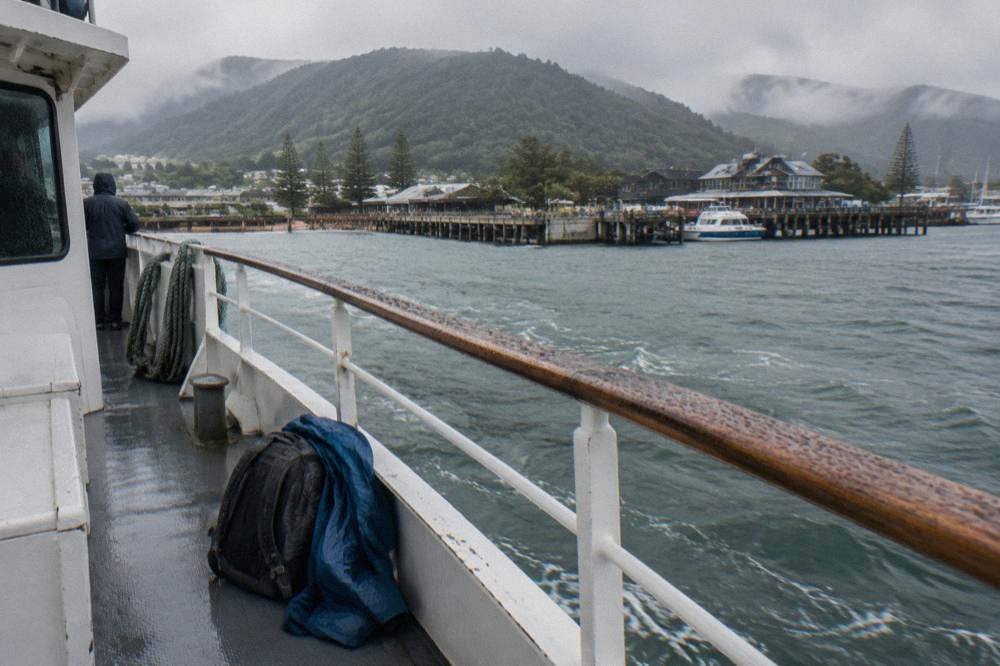
The seasonal adjustments are modest. Summer adds a sun hat and more water, and the afternoon sea breeze that builds on hot days makes a light wind layer useful even at 20-something degrees. Winter adds a warm hat and gloves for the open deck, and the winter mail-run note about no hot drinks means a thermos earns its place. Spring and autumn are the wildcard months for wind, so anything loose, hats especially, needs a strap or a pocket. The full packing logic, including footwear for island landings, is set out in what to wear on a Marlborough Sounds cruise.
One packing note applies to the mail runs specifically: bring your own lunch on the Pelorus trip from Havelock, where food is not included, while on the Endeavour Inlet lunch cruise the meal is included, which removes one moving part from a long weather day. Beachcomber cruises exclude food and sell a keep cup for tea and coffee at $6, so snacks and a water bottle belong in the day pack year round. A dry bag or a zip-lock for phones and cameras is the other quiet essential, because spray on a breezy leg reaches seats you would not expect on a calm departure.
How Does Picton Weather Affect Getting There?
Rain rarely touches the road and rail approaches, but wind can slow the Cook Strait ferry crossing, and the 3.5-hour ferry timetable interacts directly with cruise departure times. Both Bluebridge and Interislander quote a 3.5-hour crossing between Wellington and Picton, and the mid-morning arrivals reach Picton too late for same-day cruises that depart before noon. Coming from Wellington for a cruise day, an overnight in Picton or the early morning sailing is the structure that works.
The ferry timing detail is a firm one: morning sailings from Wellington reach Picton in time for the 1pm check-in at the Beachcomber office for the 1.30pm mail run, and for the 1.30pm Seafood Odyssea cruise. Later arrivals, including early-afternoon ferries, are too late for any same-day cruise. The Interislander runs a similar daily pattern with a 3.5-hour sailing time. Cruise ship visitors face a different calculation, and the berth-to-town timing rules are covered in the Picton cruise ship shore excursion guide.
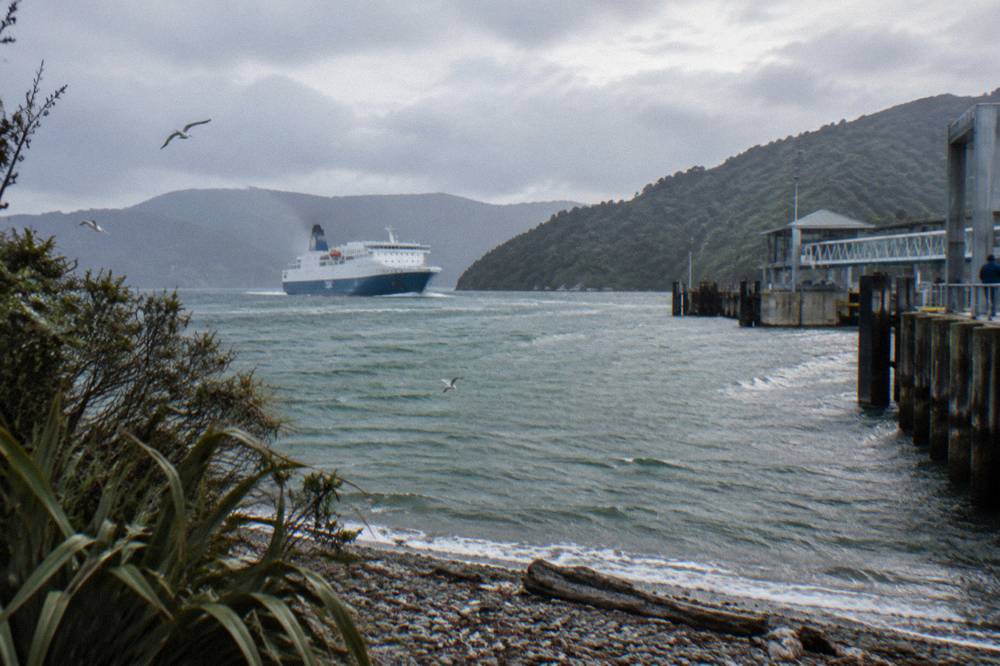
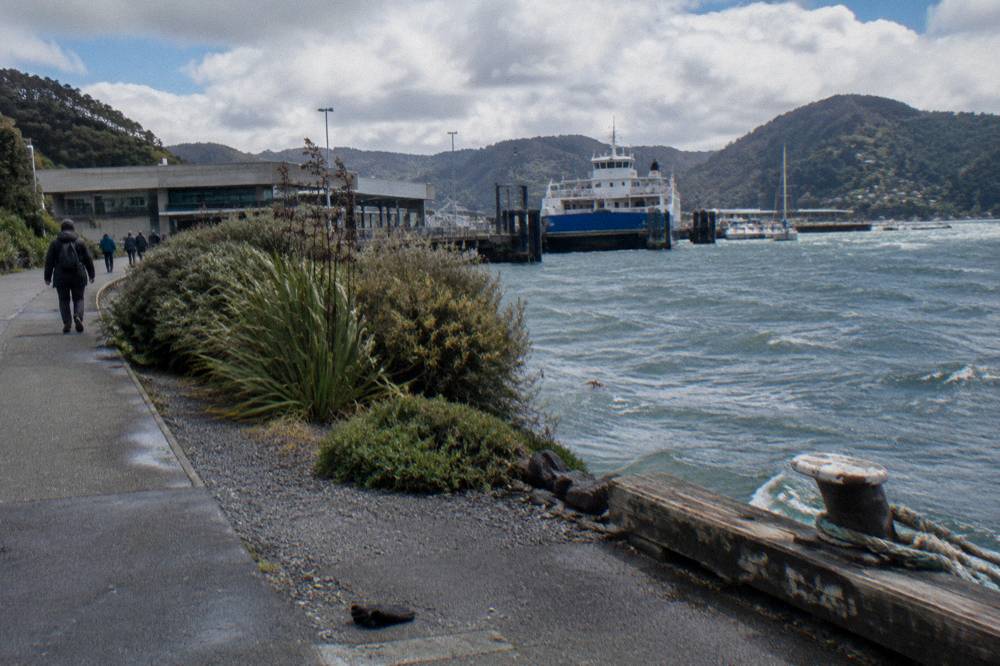
Rain itself barely registers on the approaches. The Coastal Pacific train from Christchurch via Kaikoura and Blenheim ends at the Picton waterfront next to the ferry terminal, and the town's operators, Beachcomber, E-Ko, Cougar Line, Seafood Odyssea and Wilderness Guides, all depart from the compact waterfront around London Quay and Wellington Street, a few minutes' walk from each other and from the terminal. Weather changes what you wear for that walk, not whether you make it.
Cruise ship passengers should also read the schedule with care. Port Marlborough's schedule shows vessels berthing at Waimahara Wharf in Shakespeare Bay or Waitohi Wharf in Picton Harbour, with expedition ships anchoring at Ship Cove, and the posted ETAs are to the pilot station, so about 3 hours for Waimahara or 2.5 hours for Waitohi needs adding before anyone is actually ashore. On a weather day that buffer matters, and the full berth-by-berth breakdown sits in the shore excursion guide linked above.
What Is The Wettest Month To Visit Picton?
July, clearly. It averages 207 mm of rain across about 14 wet days, roughly three times February's 65 mm, and June and August follow it as the next wettest at 145 mm and 151 mm. Even so, July leaves more than half its days dry, the cruise timetable keeps running on its winter days, and the month delivers the calmest wind statistics of the year between the fronts. Wettest does not mean worst.
The reason to name July honestly is scheduling, not scenery. A visitor pinned to specific dates in July should book the departure days that exist, Monday, Wednesday and Friday for the Beachcomber mail run, and build the rest of the stay around indoor Picton options. A visitor with week-level flexibility in July can wait for the settled window and often sail on water summer rarely produces. The rainfall table higher up this page carries the full month-by-month numbers for either approach.
For a wet-month afternoon, the Seafood Odyssea cruise from Picton makes a strong case: 3 hours, from $86.28 per person, rated 4.7 across 136 reviews, with a tasting included and a cabin for the showers. Pairing an indoor-forward boat with an unsettled forecast turns a marginal day into a good one, and the free cancellation up to 24 hours before keeps the option open.
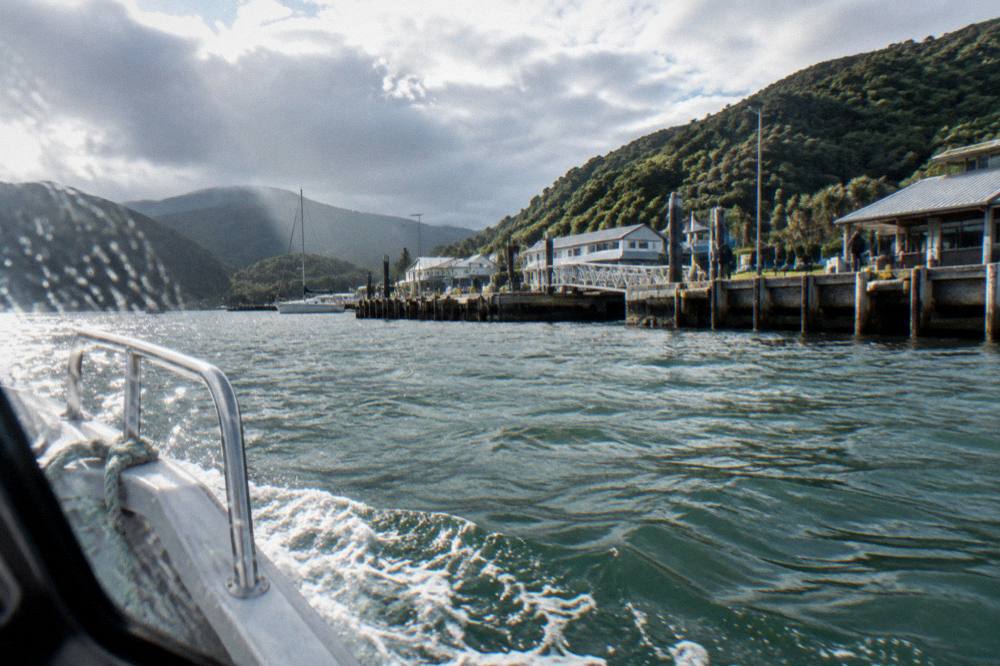
February at the other extreme is Picton's statistical sweet spot: the driest month, the fewest wet days at about 4, and full summer cruise schedules. The trade is demand, because everyone else has read the same forecast, so the quiet-season logic runs the other way for readers who value space on the water over guaranteed sunshine. November and December, at 133 mm and 98 mm with 9 and 7 wet days, sit closer to the February end of the scale than the July end, which makes late spring a sensible compromise for visitors who want long days without peak-season booking pressure.
The short version of this whole page: Picton's weather by month is a rhythm, not a barrier. February is driest, July is wettest, wind matters more than rain, and a cruise with a 24-hour cancellation policy fits every month on the calendar.
Common Questions About Picton Weather By Month
What Is The Wettest Month In Picton?
July, with an average of 207 mm of rain across about 14 wet days. June and August are the next wettest at 145 mm and 151 mm.
What Is The Driest Month In Picton?
February, averaging 65 mm of rain across about 4 wet days, the lowest of both measures on the NIWA 1981 to 2010 record for the Picton station.
Does Rain Cancel Cruises In The Marlborough Sounds?
Rarely. Operators describe weather cancellations as uncommon, and most cruises sail in light rain. Cancellations and route changes happen when wind and sea state make a route unsafe, and the skipper decides on the day.
Is Winter A Bad Time For A Picton Cruise?
No, but the timetable shrinks. The Beachcomber mail run sails Monday, Wednesday and Friday from May through September, on smaller vessels with no hot drinks, while operators describe winter water as some of the calmest of the year between fronts.
Which Month Has The Best Weather For A Sounds Cruise?
February is statistically the driest and the summer schedules run at full frequency from October. Travellers flexible within a week often do well in autumn or winter too, trading more rain risk for calm water and fewer crowds.