Seasickness On A Marlborough Sounds Cruise: Is It Rough
The Marlborough Sounds are drowned river valleys, and most Picton cruises spend their whole trip inside that shelter. Here is where the water can still move, and what actually helps.
Short answer
Most Picton cruises stay inside the sheltered inner Sounds, where the Pelorus operator says it is rare for weather to stop a sailing. The open exceptions are the outer Sounds near Cook Strait, exposed to gales per NIWA. Boat size varies from operator to operator, and rough patches are usually short.
The fear is reasonable. You are about to hand over money for four hours on a boat, and the last family trip on a ferry ended with someone pale and quiet in a corner. The honest answer for the Marlborough Sounds is that most of the time, most of the water you will be on is genuinely calm, because the Sounds are a maze of drowned river valleys with forested walls on every side, and Picton sits deep inside them. The catch is the word most. There are corners of these waterways that face Cook Strait, and there are days when the wind funnels down a channel even in the sheltered parts.
This page works through the question the way a nervous passenger would: how rough does it actually get, which cruises stay in the calmest water, what the boat itself changes, what helps before you board, what happens if the weather turns, and whether a person who gets seasick should book at all. The figures come from the tour pages and the verified operator and official sources behind this site, and nothing here is a promise about a specific day.
Is The Water Rough In The Marlborough Sounds?
Mostly no. The Sounds are sheltered inlets rather than open ocean, and the Pelorus mail boat operator says it is rare for weather to stop a run. The exposed exception is the outer Sounds, which NIWA records as open to Cook Strait gales while the inner bays near Picton and Havelock stay protected, so a cruise's route matters more than the forecast alone.
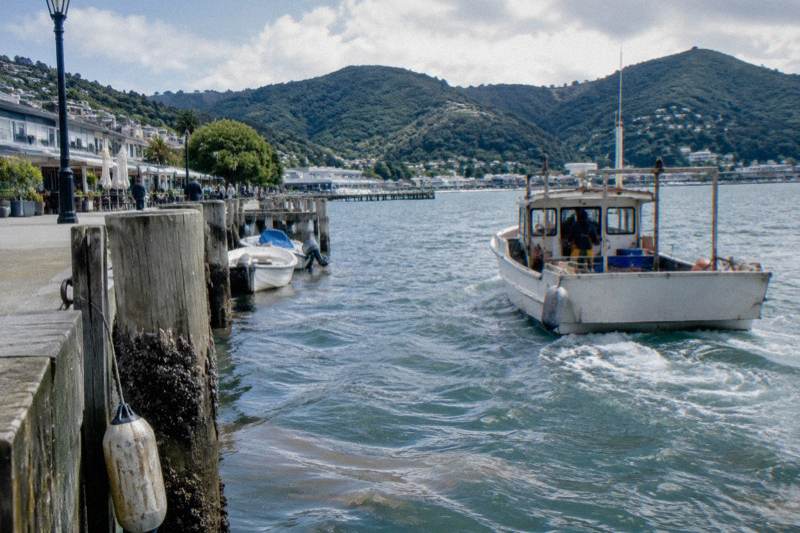
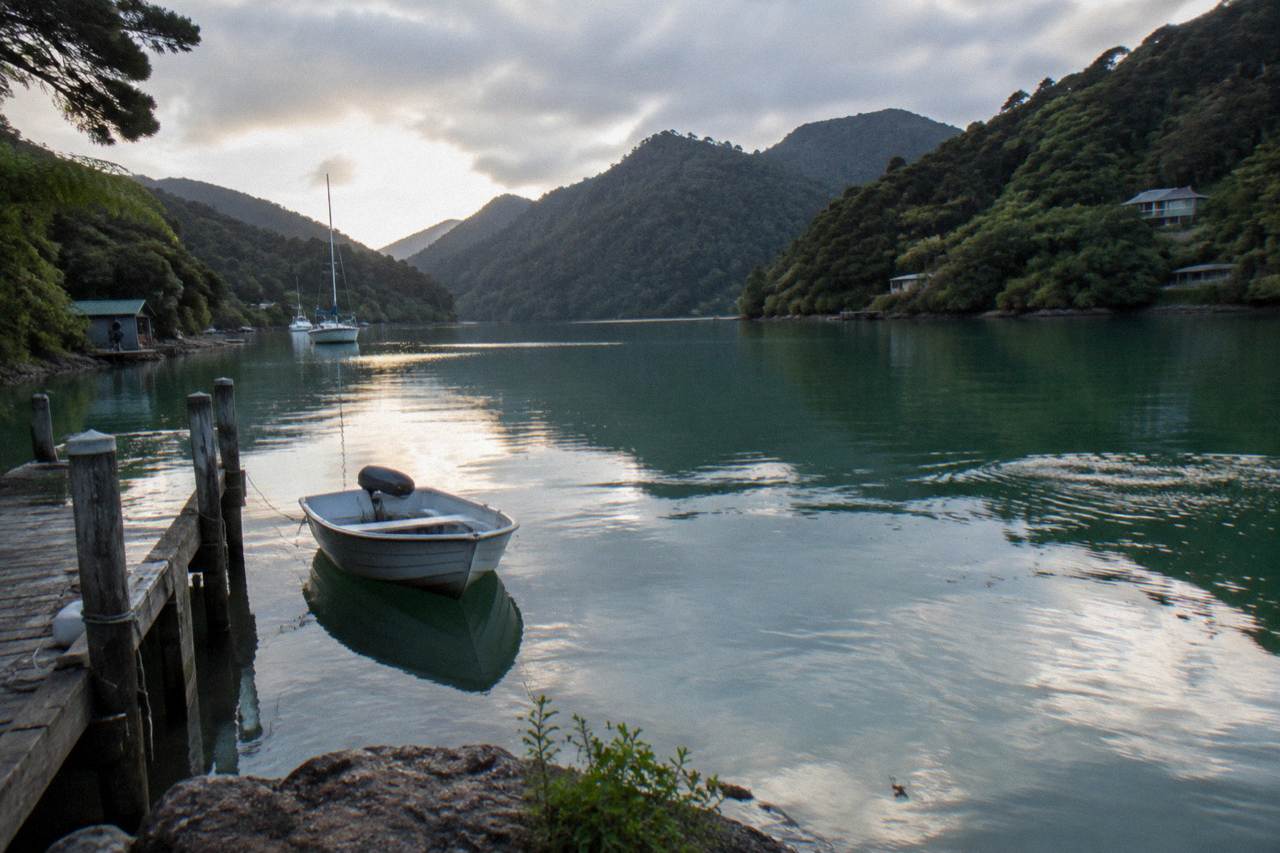
Start with the geography, because it explains almost everything. The Marlborough Sounds are not a soundscape of open water like a bay or harbour mouth. They are a network of former river valleys flooded at the end of the last ice age, which leaves long, narrow, steep-sided channels running dozens of kilometres inland. Wind has trouble building a proper sea inside a corridor that is a kilometre or two wide with hills on both ends of the compass. That is why the operators here run year round, and why the mail boats, which have no choice about going out because the mail has to be delivered, treat bad-weather cancellations as rare events rather than routine ones.
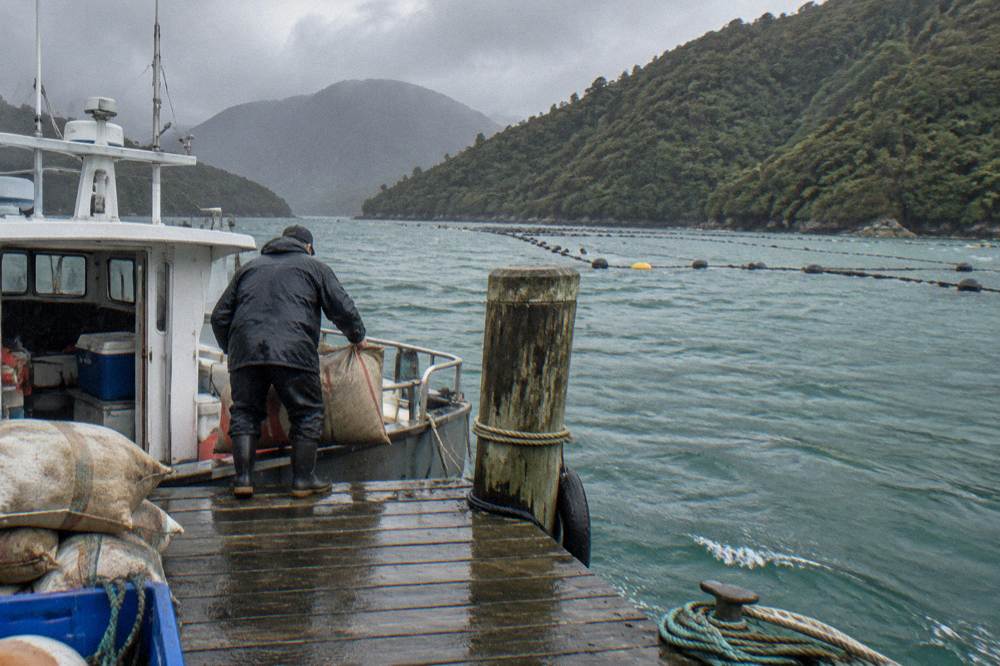
The Pelorus Mail Boat, which runs out of Havelock every Monday, Wednesday and Friday, puts it plainly in its own questions section: the Sounds are sheltered, and it is rare for the boat not to operate in bad weather, with a full refund or an alternate date offered on the rare occasions it does cancel. That is an operator that sails Pelorus Sound on Mondays, Wednesdays and Fridays, and only rarely calls off a run. Beachcomber Cruises, the other mail boat operator, runs its Queen Charlotte Sound mail run every week of the year as well, in summer six days a week.
The honest caveat comes from the climate record. NIWA's Marlborough climatology notes that the outer Sounds are exposed to Cook Strait gales while the Wairau Valley behind Blenheim is sheltered, and that strong winds in the region peak in spring and summer rather than winter. In practice this means a cruise that hugs the inner bays can have a mirror-flat day while a boat heading toward the Cook Strait entrance, toward Tory Channel or the mouth of Queen Charlotte Sound, can find short steep chop on the same afternoon. Wind against tide in a narrow channel is the classic recipe, and it passes in minutes once the boat turns back into the lee of a headland.
One more reassurance: Blenheim, inland, is described by NIWA as one of the sunniest towns in New Zealand, and Picton's rain, about 940 mm a year, spreads evenly enough that even the wettest month averages only around 96 mm. Operators themselves report that autumn and winter often bring glassy calm water and more marine life, which is their wording rather than a guarantee, but it matches how sheltered water behaves once the spring winds drop.
Which Picton Cruises Keep To The Calmest Water?
Short wildlife and dolphin cruises from the Picton waterfront mostly work the inner Queen Charlotte Sound bays and stay inside the shelter, as does the mail run itself. The full-day options travel further, and anything heading toward Tory Channel or the Sound entrances covers the most exposed water, so a nervous passenger should match the route to the day rather than avoid boats altogether.
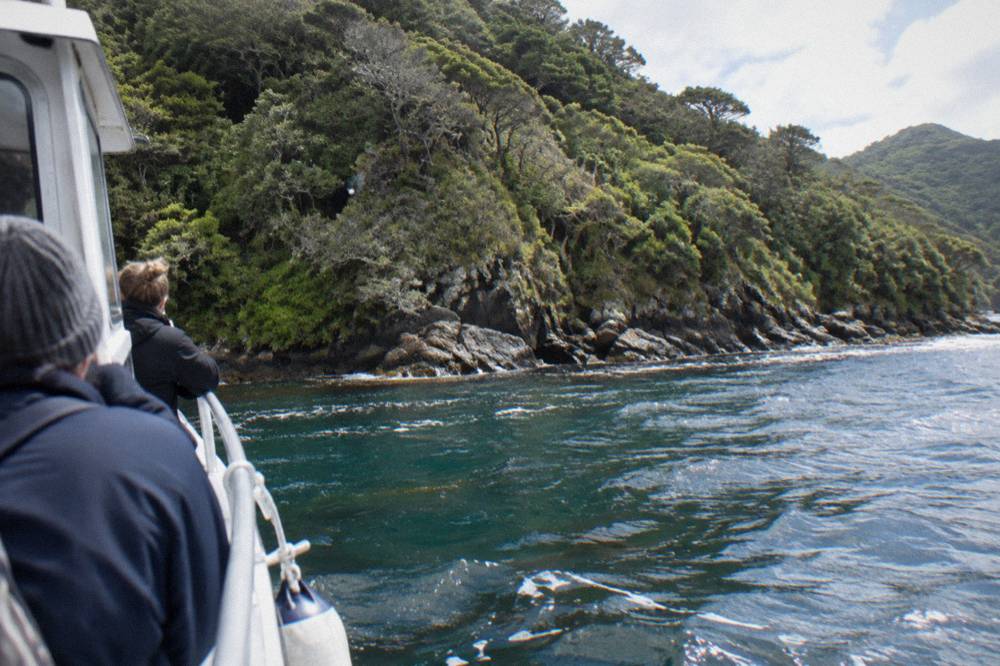
Route is the variable you control. A three-hour cruise that turns around at the head of Queen Charlotte Sound simply never meets the open water that a boat bound for Ship Cove, about two thirds of the way out the Sound, might cross on a fresh day. The E-Ko Tours dolphin and wildlife trips out of 1 Wellington Street work the Picton end of the Sound, and the half-day scenic cruise from London Quay does the same. At the far end of the scale, the mail run to Tory Channel and the Ship Cove cruises go closest to the Cook Strait influence.
| Cruise from Picton | Duration | Water it covers | Calm rating for nervous passengers |
|---|---|---|---|
| Picton Shore Excursion: Queen Charlotte Sounds Cruise | 2 hours | Inner Queen Charlotte Sound | Shortest exposure, closest to shore |
| Half-Day Cruise in Marlborough Sounds from Picton | 3.5 hours | Inner Sound bays | Sheltered, moderate time on water |
| Motuara Wildlife Sanctuary Tour and Dolphin Cruise | 4.5 hours | Inner Sound to Motuara Island, landing | Sheltered start, open final stretch, landing breaks it up |
| Queen Charlotte Sound Mail Boat Cruise | 4 hours | Inner Sounds, Tory Channel, East Bay or Endeavour Inlet by day | Varies by weekday route |
| From Picton: Marlborough Sounds Cruise with Ship Cove Stop | 3 hours | Most of Queen Charlotte Sound to Ship Cove | Longest stretch of more open water |
| Full Day Iconic Mail Boat Cruise (from Havelock) | 5 hours | Pelorus Sound bays, back mid to late afternoon | Full day afloat, sheltered network |
Two notes on that table. The Beachcomber mail run's weekday routes, Inner Sounds, Tory Channel, East Bay and Endeavour Inlet, are indicative and change with conditions, and the route for your sailing is confirmed at check-in, so ask at the counter if the Tory Channel day worries you. And the Full Day Iconic Mail Boat is a Havelock departure in Pelorus Sound, a separate waterway from Picton's Queen Charlotte Sound; the Havelock guide covers that run in detail.
If calm water is the whole decision, the wildlife options are the natural fit. The Motuara Wildlife Sanctuary Tour and Dolphin Cruise runs 4.5 hours, from $100.08 per person, rated 4.7 across 216 reviews, with a maximum of 30 travellers, a guide on board and an island landing stated, which gives you a solid spell on solid ground halfway through. The Bird Watching and Dolphin Eco-Tour to Blumine Island, 3 to 4 hours, from $128.84, rated 4.8 across 56 reviews with the same 30-passenger cap, is the shorter sibling.
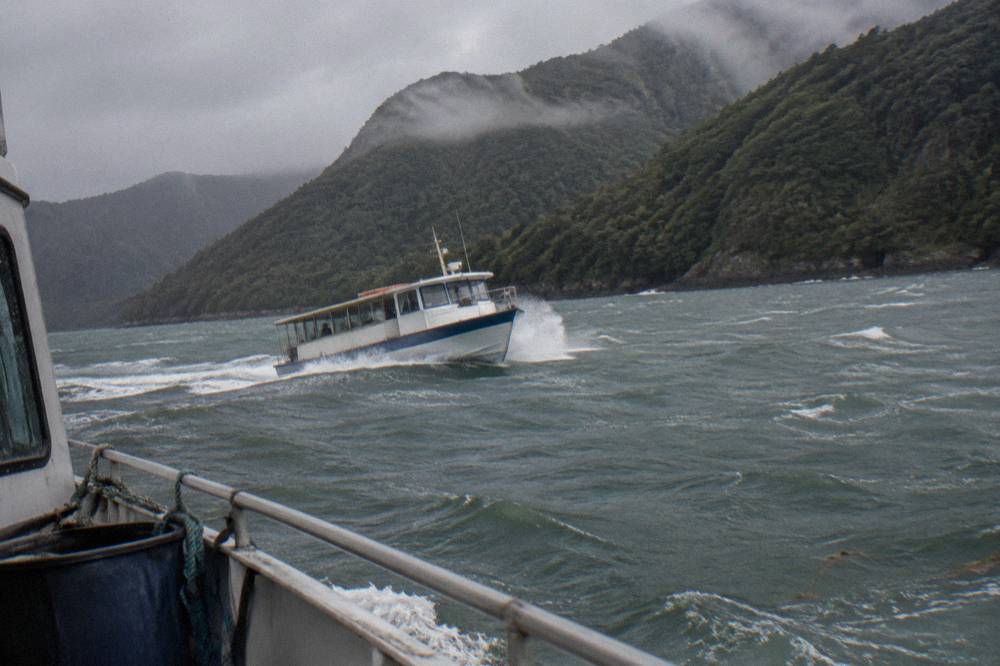
The swim-with-dolphins trip in that selection is the one to think about hardest if motion bothers you, not because the boat is rough but because you are in the water rather than on it, bobbing on a swell with a mask on. It runs 2 to 4 hours from $128.84 per person, rated 4.1 across 40 reviews, and unlike most options here its cancellation terms are weather and minimum numbers only, with no free-cancellation window stated. Whether the water is moving is only part of that decision.
For route planning on a calm day versus a windy one, the seasonal breakdown in the best time for a Marlborough Sounds cruise guide pairs well with this page, and the packing angle, layers, spray, sun off the water, sits in what to wear on a Marlborough Sounds cruise.
Where Does The Wind Get Into The Sounds?
Tory Channel and the outer entrances toward Cook Strait are the exposed spots, and NIWA records the outer Sounds as open to gales while the inner bays stay protected. Spring and summer bring the strongest winds in the NIWA record, so a fresh spring afternoon matters more than the season's reputation.
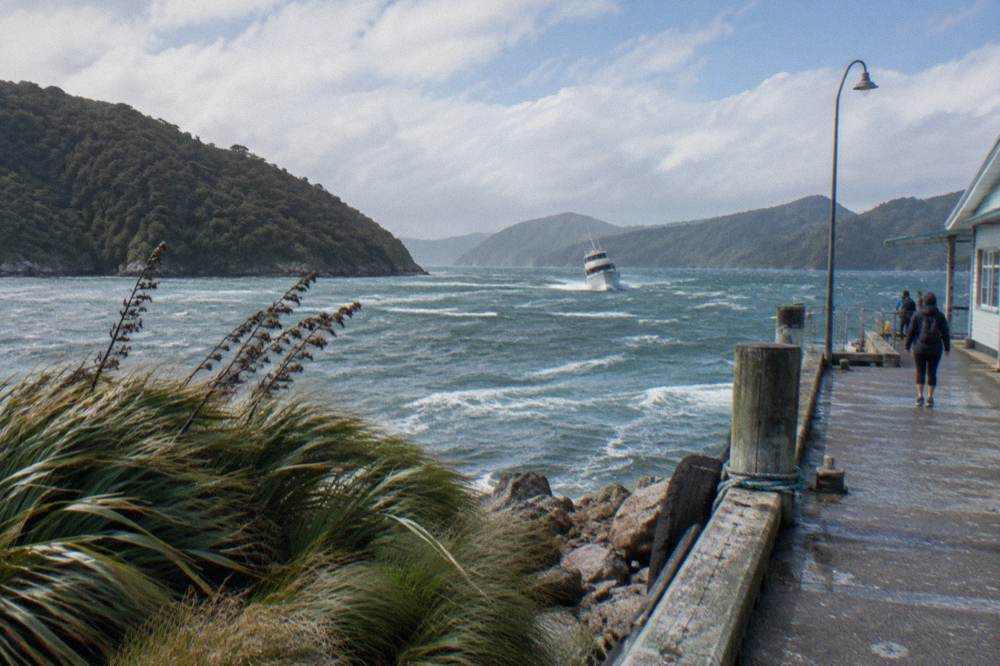
Tory Channel is the tidal channel that cuts through to Cook Strait on the south side of Queen Charlotte Sound, and it is the one stretch of water on several Picton itineraries that behaves like the coast it connects to. On a strong northwest or south day the wind funnels through it, and boats transiting the channel feel it. The same applies in a milder way to the stretch from Motuara Island and Ship Cove outward, where Queen Charlotte Sound begins to open toward the Strait.
Inside the network it is a different story. Endeavour Inlet, East Bay, the bays of the inner Pelorus, and everything within a few kilometres of the Picton waterfront are about as protected as open-air water gets in New Zealand.
The timing of your trip matters as much as the place. Strong winds in this region peak in spring and summer per NIWA, and the absolute windiest recorded spot in the Sounds, Brothers Island, logs gale-strength gusts on 243 days a year, which tells you how localised the exposure is: that rock sits in Cook Strait, and the Picton marina does not.
Rain and roughness are different problems, and nervous passengers sometimes conflate them. A wet February day can be dead calm, and a blue-sky October day can carry the spring northwest that makes the outer channels choppy. If you have flexibility, watch the wind forecast rather than the rain forecast, and favour mornings, when the northwesterly has usually not yet built.
The wildlife side of the Sounds, what actually swims past the boat and how close the rules let it come, is covered in the dolphin cruise and wildlife cruise pages; the short version for this page is that sightings add stops, and stops mean less time rolling in a swell.
Does Boat Size Change How Much You Feel It?
Yes, in both directions. The tours covered here run from a 24-traveller maximum up to 99, and small boats sit lower and feel the chop more while big catamarans bridge it, but a small boat also turns back into shelter faster. Pick by route first, size second.
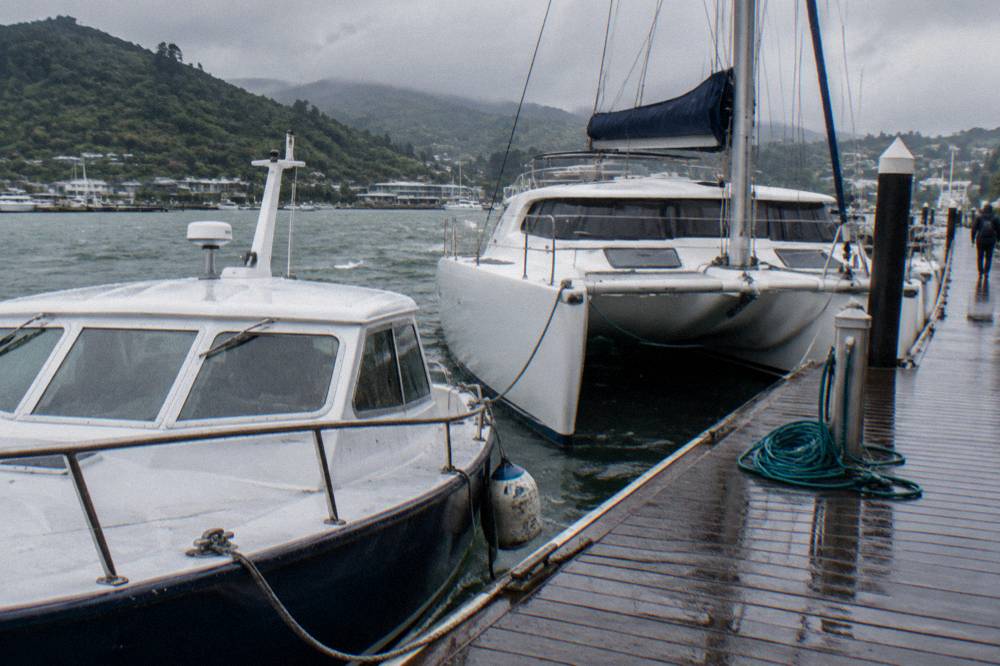
The Picton fleet spans a wide range. At the small end, the kayak-and-cruise day trips run with a maximum of 24 travellers, and the E-Ko wildlife boats cap at 30. In the middle, the Beachcomber scenic boats take up to 70, and the Cougar Line delivery cruise states a maximum of 99. The private yacht, at $5,464.30 per group for up to 15 people, sits somewhere between, a displacement hull rather than a ferry.
| Tour from Picton | Max travellers stated | What that means for motion |
|---|---|---|
| Picton Morning Guided Kayak with Afternoon Boat Cruise | 24 | Smallest groups, low freeboard, mostly close to shore |
| Motuara, Blumine and dolphin eco-tours (E-Ko) | 30 | Small boats, agile, quick to reach shelter |
| Queen Charlotte Sound Mail Boat Cruise | Not stated | Dedicated mail vessel, Beachcomber says toilets on board |
| Half-Day and Motuara cruises (London Quay operator) | 70 | Larger vessel, steadier in short chop |
| 3.5 Hour Marlborough Sounds Delivery Cruise | 99 | Biggest capacity, catamaran-style ride |
| Private Yacht Cruise in the Marlborough Sounds | 15 | Private charter, own pace, toilets on board |
A general rule that holds reasonably well here: bigger and wider wins on sustained chop, smaller wins on manoeuvre. A 99-passenger catamaran barely registers the one-foot sea that makes a 30-footer nod, but when the big boat does roll, it rolls slowly and for longer, while the small boat's skipper can duck behind the nearest headland two minutes after the spray starts. On the sheltered inner Sound routes that dominate Picton's tour list, the difference between the two is usually smaller than people fear.
The mail boats are their own category, because they were built for work rather than sightseeing. The Pelorus Mail Boat lists two toilets, free tea and coffee, and partial wheelchair access for up to two chairs, and the Beachcomber mail run carries a working cargo deck of mail, freight and supplies alongside the passenger seats. Neither is a yacht, and that working-boat character is part of the appeal for travellers who worry about feeling queasy on bigger vessels.
Facilities matter too when you feel rough. Toilets are on board the mail boat cruise, the half-day scenic cruise, the Motuara and Ship Cove combination cruise and the private yacht, and the Pelorus boat carries two. The smaller eco-tours say nothing either way, so ask ahead if that matters to your day. If that is a dealbreaker, choose from the boats that say so.
What Actually Helps Against Seasickness?
Position on the boat, the horizon, light food and timing do most of the work, and remedies from ginger to tablets suit different people; a pharmacist is the right source for tablet advice. Sitting midships on the lower deck, outside where you can see the horizon, is the single best free measure.
Nothing in this section is medical advice, and a pharmacist can talk through the tablet options properly, which this page will not attempt. What follows is the practical, non-medical craft of a day afloat that most skippers and frequent passengers repeat.
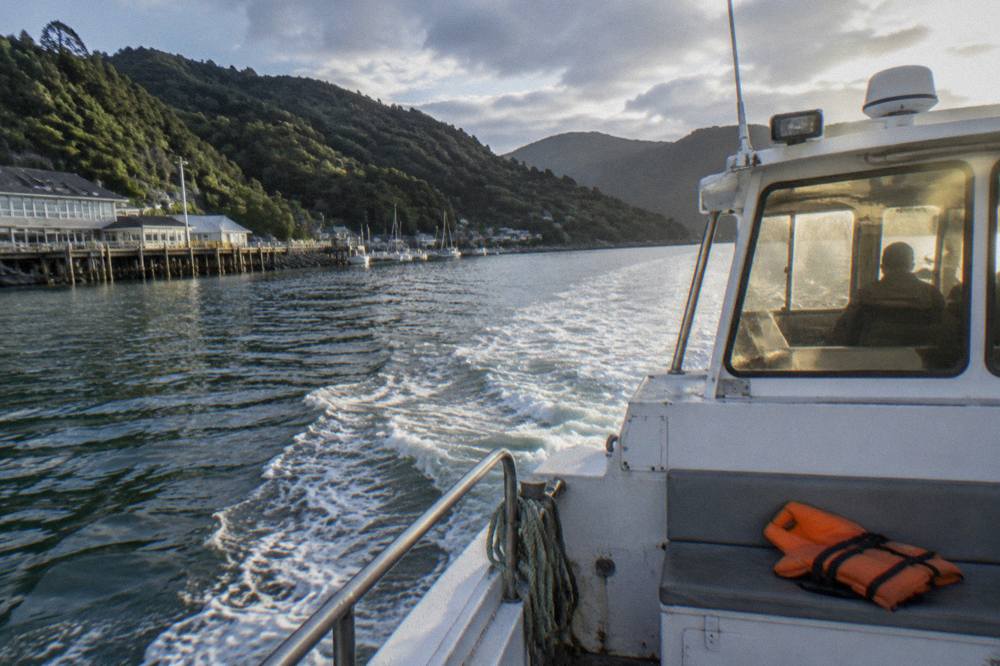
First, position. The point on a hull that moves least is its centre, low down, and the point that moves most is the bow. Nervous passengers gravitate to the bow for the view and pay for it. Midships, near the wheelhouse, outside in the fresh air with an unbroken view of the horizon, is where crew sit on their days off. Standing at the stern rail, facing forward, works nearly as well and keeps the spray interesting rather than threatening.
Second, the horizon. Your inner ear and your eyes arguing is the mechanism behind the misery, and giving your eyes a fixed, distant reference, the ridge across the Sound, the mast of another boat, settles the argument. Reading, phone-scrolling and staring at the deck are the three fastest ways to make it worse. Skipper commentary helps here for real: looking up and out at the thing being described is exactly what a queasy brain wants.
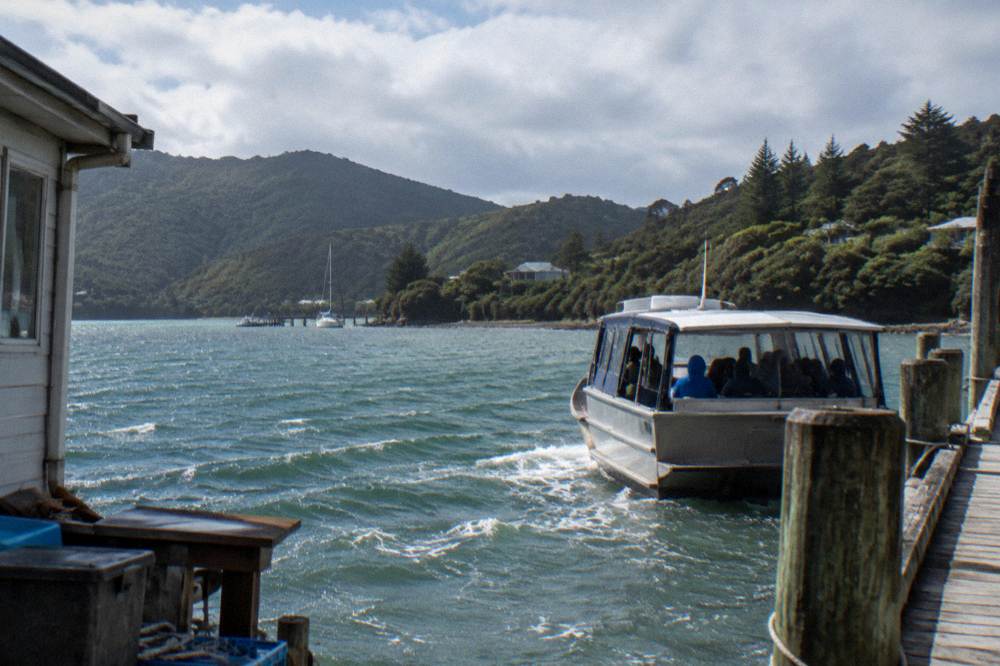
Third, food and drink. A light meal an hour or two before boarding beats both an empty stomach and a heavy fried breakfast. Ginger in its various forms suits some people; the Pelorus boat puts free tea, coffee and hot water on board, and the Beachcomber boats sell a reusable Keep Cup for $6 with the tea and coffee, which is listed as a purchase, not an inclusion, so bring coins or your own flask. Avoid alcohol the night before, and keep water up on the day.
Fourth, timing and habits. Take any remedy you choose at the interval the packet or pharmacist specifies, usually before boarding rather than once you feel wrong, because remedies work far better preventively. Watch the forecast and book the morning sailing. And keep warm: cold, tired and worried is the triad that tips a mild wobble into misery, which is why the layering advice in the what to wear page matters more than it looks.
For the record, one thing that does not help is bracing for disaster. The overwhelming majority of Picton cruise days are calm enough that the subject never comes up, and the passengers who enjoy themselves least are often the ones who spent the first hour waiting to feel bad. Sit outside, talk to the skipper, watch for the wildlife the commentary flags, and let the day be what it is.
What Happens If The Weather Turns On Cruise Day?
Every operator here may change a route or cancel for weather, and the mail boats treat it as rare; the Pelorus operator offers a full refund or an alternate date on a weather cancellation, and most tours covered here state free cancellation up to 24 hours before. The dolphin swim tour is the exception, weather and minimum numbers only.
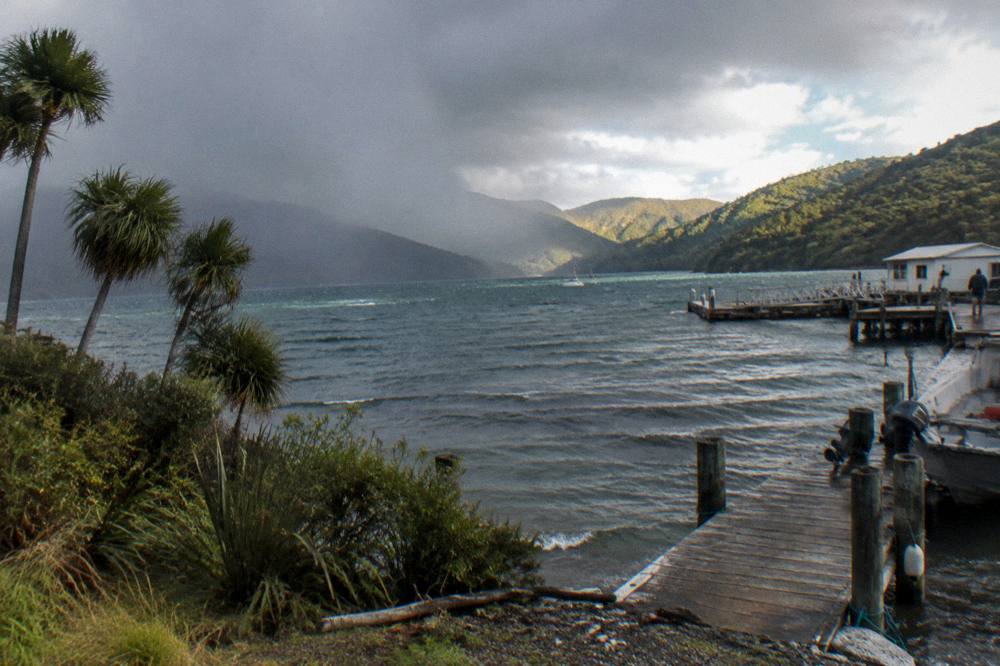
Operators deal in adjustments before they deal in cancellations. The Beachcomber mail run shows the route at check-in and changes it with conditions, and its winter schedule simply drops to Monday, Wednesday and Friday from 1 May to 30 September, with smaller vessels. The Pelorus boat's own guidance says a cancellation is rare, with a full refund or an alternate date, and that you can change a booking up to 24 hours ahead. When a skipper can resequence bays, they will, so the trip you take is not always the trip advertised, and that flexibility is in your favour.
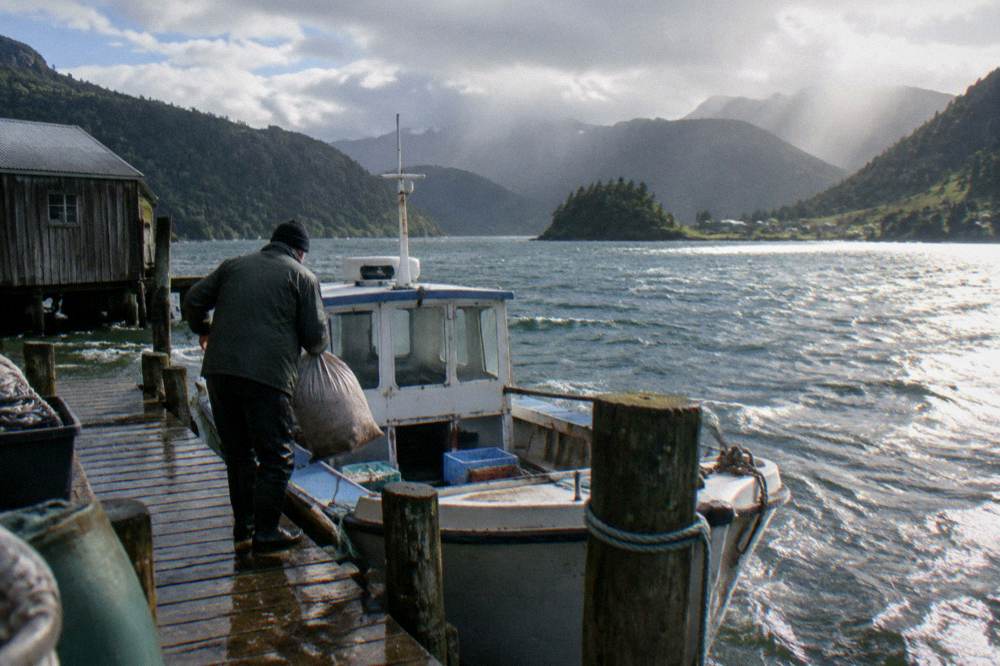
Cancellation terms are where the tours differ, and it is the practical thing to check before booking any of them. Most of the Picton cruises here, the mail boat cruise, the half-day scenic cruise, the Ship Cove stop cruise, the delivery cruise, the Motuara tours and the two bird and dolphin eco-tours, state free cancellation up to 24 hours before departure. The swim-with-dolphins tour states no free-cancellation window, with weather and minimum-number policies instead, and the same weather and minimum-number note applies to the other E-Ko wildlife trips and the kayak day. If a rough-weather refund policy is central to your decision, read the terms on the operator's booking page for the specific tour before you pay.
| Situation | What typically happens | Where it is stated |
|---|---|---|
| Rough patch mid-cruise | Skipper changes route or bay order, shown at check-in | Beachcomber operator page |
| Weather stops a Pelorus sailing | Rare, full refund or alternate date | Pelorus operator FAQ |
| You cancel 24 hours or more ahead | Full refund on most Picton cruises | Tour booking terms |
| You cancel the dolphin swim tour | Weather and minimum-number policy applies, no free window stated | Tour booking terms |
| Winter season | Mail run drops to Monday, Wednesday, Friday, smaller boats | Beachcomber operator page |
The pattern worth planning around: book the cruises with the 24-hour window for the days you are least sure about, and keep a land-based backup in mind. The town has enough to fill a rest day, and the things to do in Picton page covers the foreshore, the walks and the free options if the boat does not appeal in the end.
One more official rule worth knowing because it affects how boats behave around animals: under the marine mammal regulations summarised by DOC, vessels slow to idle within 300 m of any marine mammal, and boats keep set distances from whales, seals and dolphin pods. For a nervous passenger this is good news twice over, since wildlife encounters mean the boat stops, and a stopped boat in sheltered water is the calmest boat there is.
Should You Book A Picton Cruise If You Get Seasick?
Yes, in most cases, and the choice of route matters more than the choice to go. A short inner-Sound cruise on a calm morning suits most nervous passengers, the full-day and outer-Sound options deserve a wind check first, and the practical fallbacks, the 24-hour cancellation windows on most tours, remove most of the risk from booking ahead.
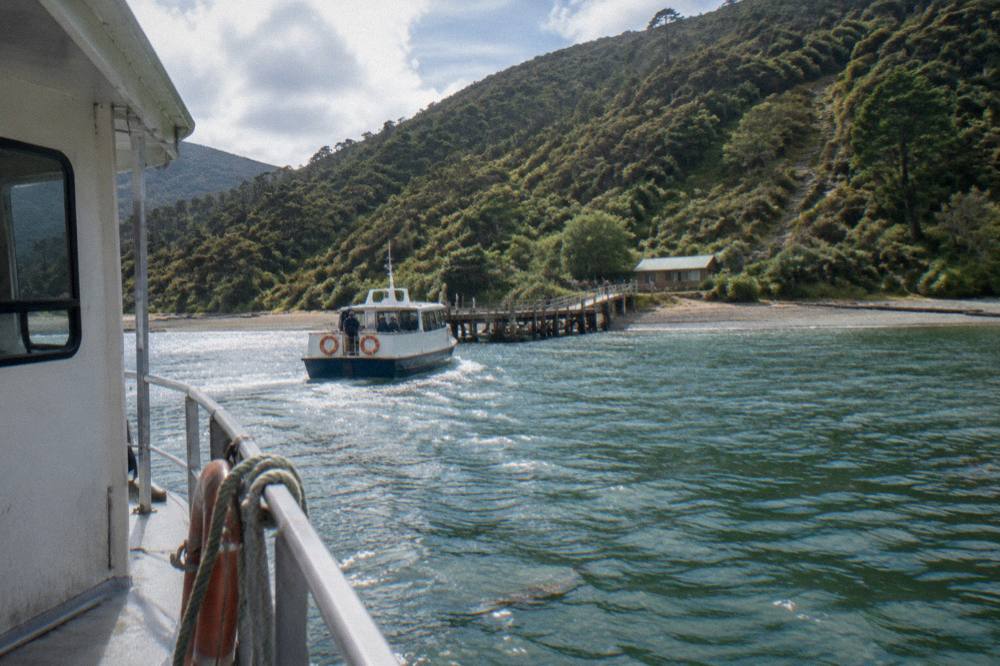
Work through it as a decision. If your history is mild, a ferry once or a charter fishing trip, and the day is forecast light, almost anything on the Picton waterfront is fine, and the biggest risk is spending four hours pre-worrying about nothing. If your history is serious, genuinely unwell on ordinary harbour crossings, then pick the 2-hour shore excursion or the 3.5-hour half-day cruise, take the morning departure, sit midships outside, and treat the longer trips as a second visit's ambition.
The tour that best fits the cautious first-timer is arguably the Motuara wildlife cruise: 4.5 hours, from $100.08, rated 4.7 across 216 reviews, a 30-traveller cap, commentary, a guide, and a stated island landing in the middle, so half the trip is a bush walk rather than a boat ride.
The Blumine Island eco-tour above is the same family of trip with a shorter water time, 3 to 4 hours, and a 4.8 rating across 56 reviews, so if four and a half hours sounds long, it is the conservative alternative in the same small boats from the same Wellington Street departure point.
The mail boat deserves its place on a nervous passenger's shortlist for a different reason: it is the most reviewed cruise covered here, 4.7 across 611 reviews, from $91.00 per person, with toilets on board, and its whole purpose, delivering to homes only reachable by water, keeps it threading the sheltered bays. The trade-off is that the weekday routes vary and are confirmed at check-in, so tell the crew at the counter that calm water matters to you and ask which stretch the day covers.
Last practical notes. Picton Mail Boat Cruises covers the sheltered-water options in depth across its guides, and the comparison between the half-day and full-day formats is worth a read before you commit either way.
The short version of this whole page: the Sounds are one of the friendliest pieces of water in the country for people who worry about it, the exposed corners are known and avoidable, and the tools that work, route choice, morning sailings, midships seats, the 24-hour cancellation windows, are all free. Pick a calm-looking day, book something short, and see how you go.
Common Questions About Seasickness On A Marlborough Sounds Cruise
Is The Water Rough In The Marlborough Sounds?
Mostly no. The Sounds are sheltered drowned valleys, and the operators that sail them every week call weather cancellations rare. The exposed corners are Tory Channel and the outer entrances toward Cook Strait, which NIWA records as open to gales, so route matters more than the region's reputation.
Which Picton Cruise Is Best If I Get Seasick?
A short inner-Sound trip on a calm morning: the 2-hour shore excursion or the 3.5-hour half-day cruise keep close to the Picton waterfront. The Motuara wildlife cruise splits its 4.5 hours with an island landing, which many nervous passengers prefer to a full spell afloat.
Can I Get A Refund If The Weather Is Bad?
Most Picton cruises covered here state free cancellation up to 24 hours before departure, and the Pelorus operator offers a full refund or an alternate date on its rare weather cancellations. The swim-with-dolphins tour states no free-cancellation window, with weather and minimum-number policies only, so check the operator's booking terms for your specific tour.
Does A Bigger Boat Help With Seasickness?
Usually, on sustained chop: the larger vessels bridge short seas that smaller boats ride over. But small boats reach shelter faster and change route more nimbly, so on the sheltered inner-Sound routes most Picton tours use, size is a secondary factor behind route and weather.
What Season Has The Calmest Water In The Sounds?
Winter, by the wind record. NIWA shows strong winds in Marlborough peaking in spring and summer, and operators themselves describe autumn and winter as often bringing glassy calm water and more marine life, their wording rather than a guarantee. Winter buys calm at the cost of the year's heaviest rain.
Are There Toilets On The Cruise Boats?
On some, and it is stated per tour: the mail boat cruise, the half-day scenic cruise, the Motuara and Ship Cove cruise and the private yacht list toilets on board, and the Pelorus boat lists two. For the smaller eco-tours the matter is not stated, so assume a compact vessel and plan accordingly.