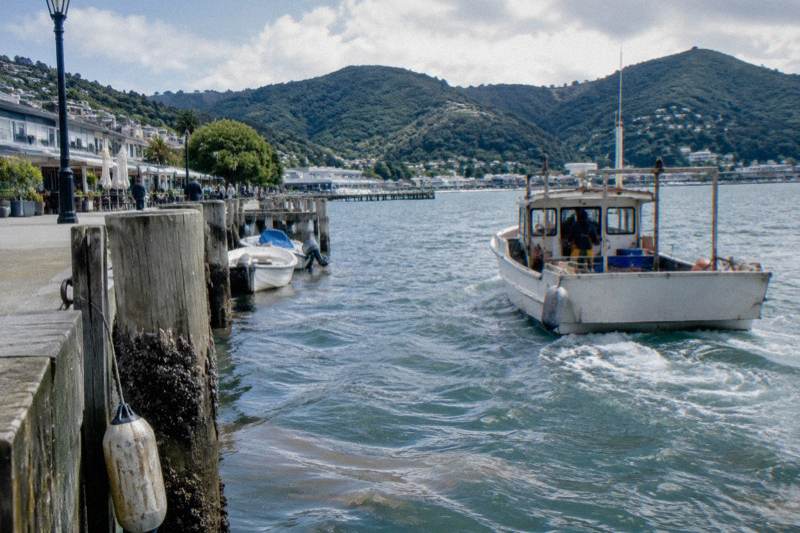
Best Time For A Marlborough Sounds Cruise: Month By Month
Choosing when to sail matters as much as choosing which cruise. This guide sets out Picton's monthly rainfall, the winter and summer schedules operators actually run, and the wildlife seasons, so the month picks itself.
Short answer
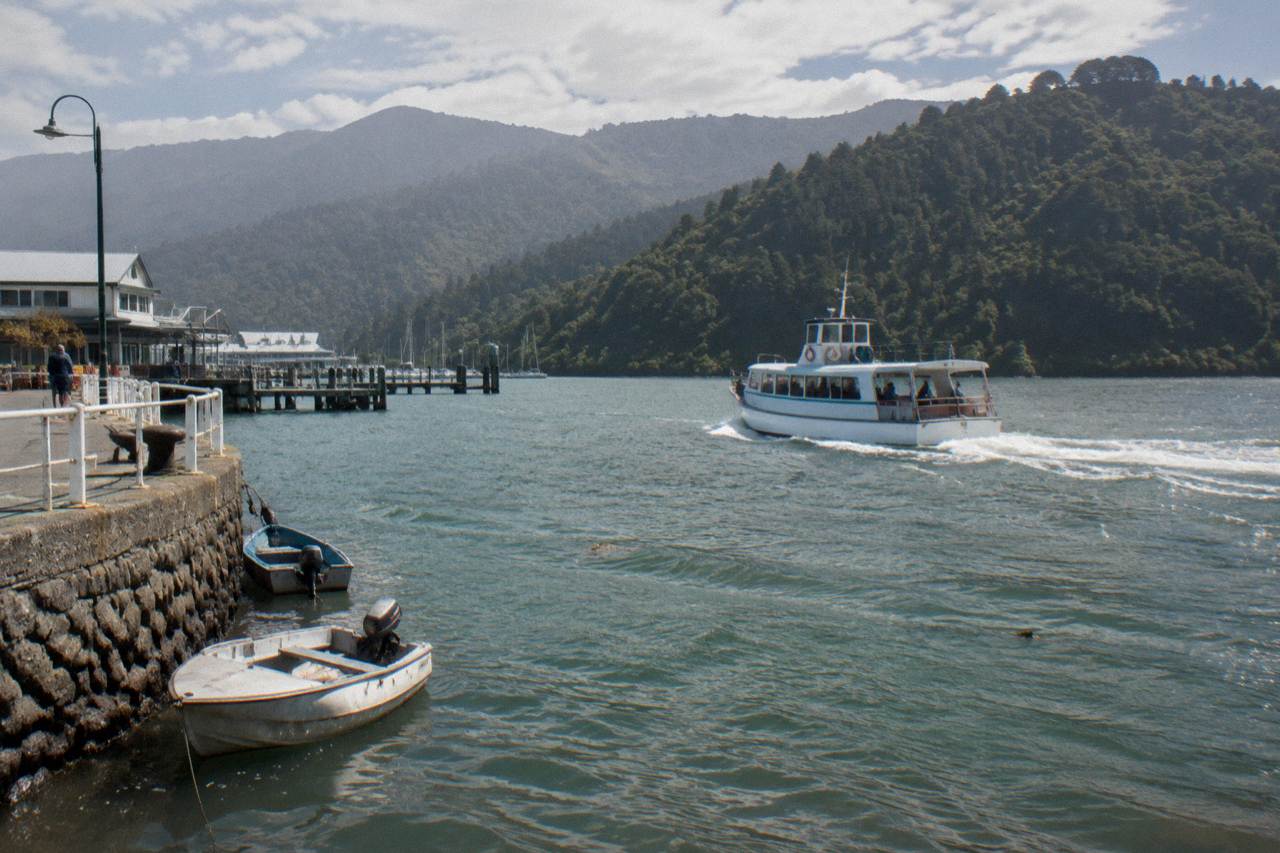
October to April is the busiest and most reliable window: full summer schedules run from 1 October, Picton rainfall bottoms out in February at 65 mm, and orca come near shore from October to March. Winter cruises still run on reduced days, with July the wettest month at 207 mm.
Picking a date drives almost everything else about a Marlborough Sounds trip: which cruises run at all, how many days a week they leave, whether the mail boat takes its summer route or its winter one, and what the water looks like when you get out there. The good news is that the Sounds run year round, and the honest answer about the best month is more nuanced than "go in summer". For anyone weighing a paddle alongside a cruise, the guide to kayak seasons around Picton and the Marlborough Sounds digs into what the wind and rainfall records actually show.
The numbers help. Picton's weather station averages 1463 mm of rain a year, but that rain is not spread evenly: February averages just 65 mm while July averages 207 mm, a difference of more than three times. Operators cut back sailing days in winter, though cruises continue year-round. And wildlife follows its own calendar, with orca reported near shore from October to March.
This guide works through the year month by month using only the measured rainfall record and the published operator schedules, then matches each season to the cruises that suit it. It also flags the one variable no schedule controls: a Sounds cruise is weather-dependent, and even the best month carries wet days, so the final section on flexible planning matters as much as the rainfall table.
When Is The Best Time To Visit The Marlborough Sounds?
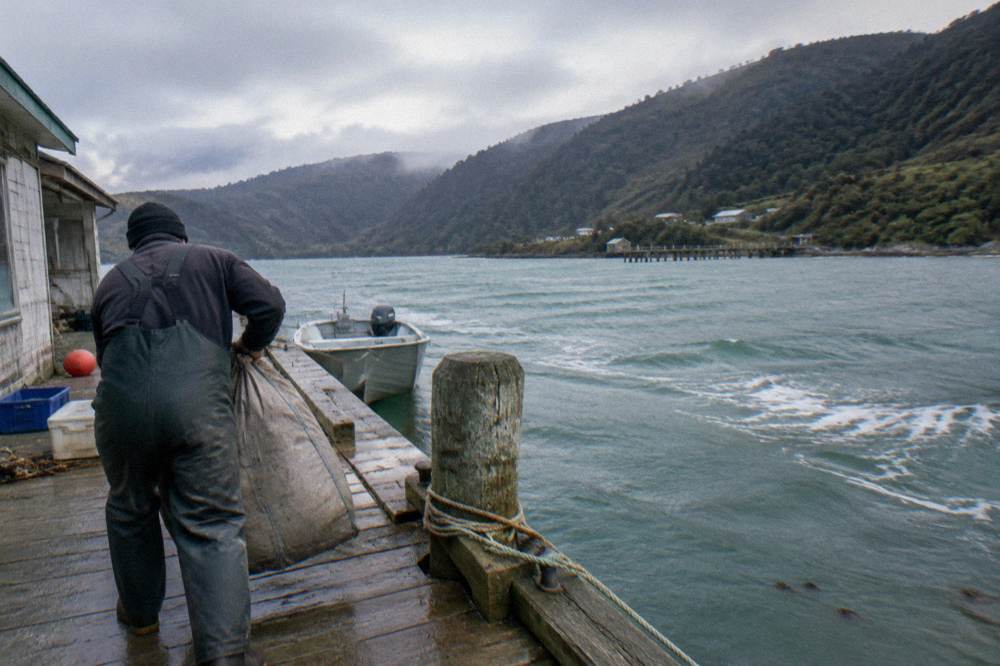
For most travellers the best window is October to April, when the mail boat cruise from Picton runs six days a week in summer, rainfall sits at its yearly lows from January through March, and orca are reported near shore. May to September is quieter, with fewer sailing days and wetter weather, but cruises still run and the Sounds are far from closed. To judge whether a quieter-season sailing suits you, the month-by-month breakdown of Picton weather for a Sounds cruise shows how rain, wet days and wind shift across the year.
The strongest single argument for the October to April window is schedule, not sunshine. The Beachcomber mail run moves to its summer timetable from 1 October, sailing Monday to Saturday instead of the winter's three days. More sailing days means more flexibility if a booking fills, a boat is full on your first choice of day, or the weather turns and you want to shift a day.
“The best way to get close to the Pelorus Sound - the bays, the islands, the inlets, but also to get an idea into the lives of people living in the remote parts of Marlborough Sounds. Bonus- we got dolphins swimming along the mailboat for good 10 minutes and saw a seal savouring an octopus!”
That said, the shoulder months reward planning. November and March carry steady rainfall, roughly 133 mm and 101 mm respectively, without the same crowd pressure on boats, and the operators themselves make a case for the cold half of the year: the Pelorus Mail Boat's own FAQ describes autumn and winter conditions in the Sounds as sometimes the best of the year, with calm water and more marine life. That is an operator's observation, not a promise, but it is not marketing invented from nothing either.
The worst plan is assuming any single month is dry. Even February, the driest month in the record, averages four days with a millimetre or more of rain. Build a spare day into a Sounds itinerary whatever the season. A traveller who plans Tuesday as the cruise day and Wednesday as the spare sails in almost any month of the year; a traveller with one fixed day and a morning flight out the next day is gambling in every month, just with better odds in February than July.
There is also the question of what kind of trip the month is serving. A cruise-only visit of two or three days can slot into any week of the year, since every cruise on the waterfront is a half-day or single-day product.
What Does The Weather Do Month By Month In Picton?
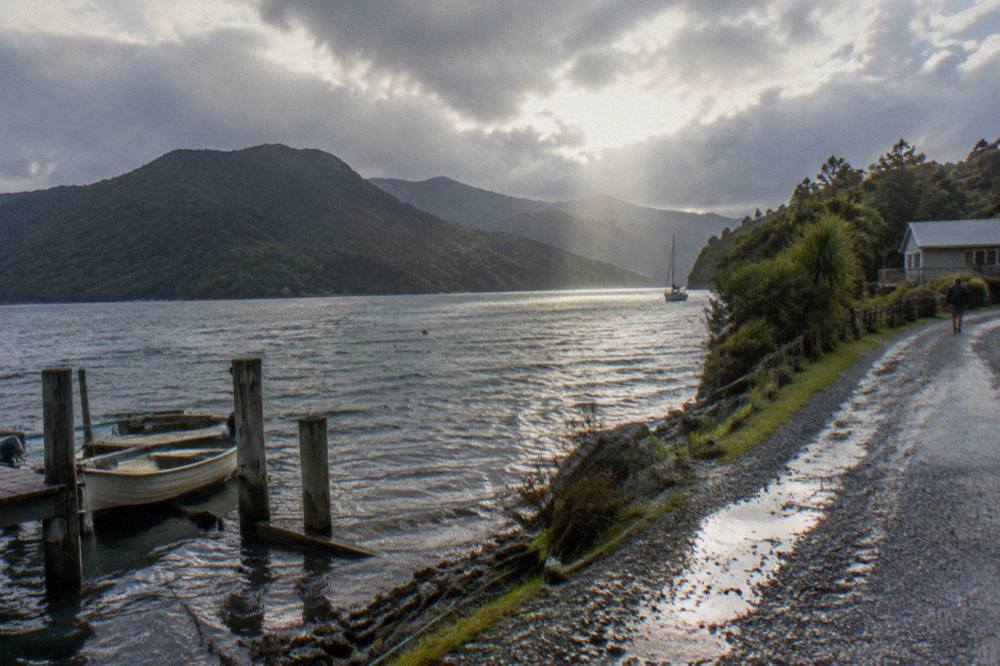
Picton averages 1463 mm of rain a year, swinging from 65 mm in February to 207 mm in July, with wet days rising from 4 a month in February to 14 in July. The months from January to March are the driest and least often rained on, while June through August take about a third of the year's rain between them.
These figures come from the NIWA Marlborough climatology, which is the measured 1981 to 2010 record for the Picton station, not an operator's brochure copy. They describe rain only: no temperature, sunshine or sea-state claims belong on this page because those numbers are not part of the record. That limitation is worth stating plainly, because plenty of travel content invents monthly temperature charts for Picton that no official source publishes.
| Month | Average rain (mm) | Wet days (1 mm or more) |
|---|---|---|
| January | 87 | 6 |
| February | 65 | 4 |
| March | 101 | 7 |
| April | 104 | 7 |
| May | 112 | 8 |
| June | 145 | 10 |
| July | 207 | 14 |
| August | 151 | 10 |
| September | 121 | 8 |
| October | 140 | 10 |
| November | 133 | 9 |
| December | 98 | 7 |
Read the table as a risk profile rather than a forecast. February's four wet days make it the statistically safest bet for a single-day visit, but a week in February still expects a rainy day or two. With fourteen wet days, July is a month when a winter trip should treat the cruise date as movable, which is one reason the free cancellation up to 24 hours before departure offered on the main Picton cruises matters more in July than in February.
Notice too how the monthly totals cluster. The six months from November through April sit between 65 and 133 mm, with February standing out as the driest at 65 mm, and the real cliff comes at the June boundary, when totals jump to 145 and 207 mm. In practical terms, a visitor choosing between October and April is choosing on schedule and crowd grounds, not rainfall grounds. The rainfall argument only genuinely separates the May to September half of the year from the rest.
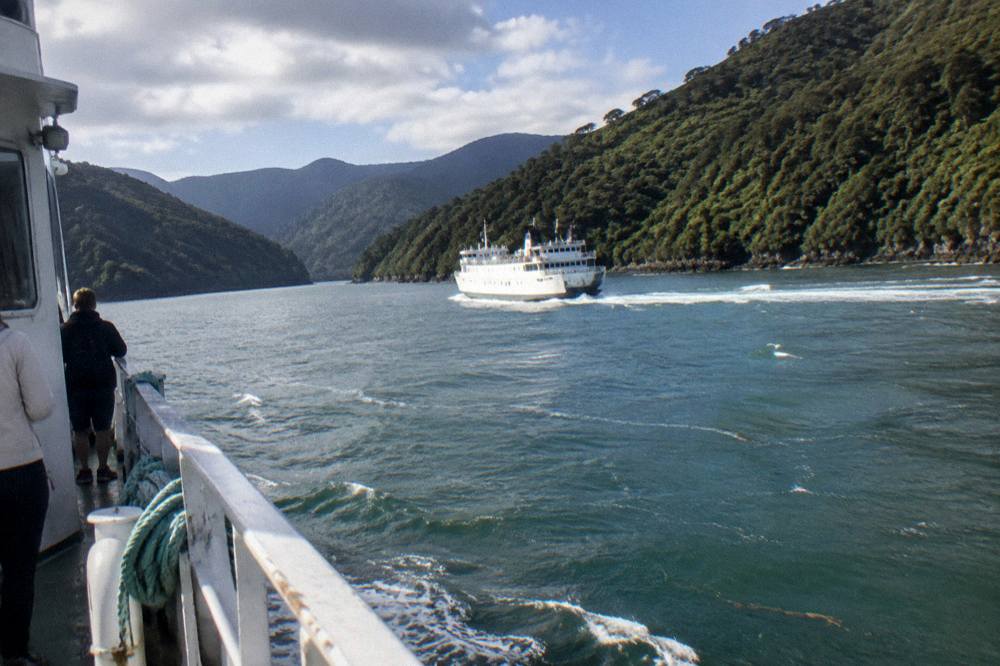
The wind pattern matters as well, though it resists a monthly table. The outer Sounds are exposed to Cook Strait gales while the inner reaches where most cruises sail are more sheltered, and strong winds peak in spring and summer rather than winter, according to the same NIWA record. A wet July day can be flat calm; a blue-sky November day can be gusty. Neither is predictable far ahead.
For a fuller treatment of how each month behaves, including what it means for packing, the Picton weather month by month guide breaks the same record down further.
Which Sounds Cruises Run In Which Season?
The Beachcomber mail boat runs Monday to Saturday from 1 October and drops to Monday, Wednesday and Friday from 1 May to 30 September, while the Havelock-based Pelorus Mail Boat keeps its Monday, Wednesday and Friday 10am departures through the year; the Seafood Odyssea cruise states winter days of Wednesday and Saturday, and for the remaining cruises seasonal schedules are not mentioned, so check the booking page before planning around a specific day.
Schedule is the seasonal variable travellers most often miss. The mail boat leaving Picton at 1.30pm is a fixture, but the days it leaves are not: summer brings six departures a week, winter three. The Pelorus run from Havelock Marina holds its three-day week across the year, departing at 10am with check-in at 9.30am, returning mid to late afternoon depending on deliveries, tide and wildlife. Havelock sits in Pelorus Sound, a separate waterway from Queen Charlotte Sound, so the two mail boats never compete on the same morning.
| Cruise | Departure point | Schedule pattern | Duration |
|---|---|---|---|
| Queen Charlotte Sound Mail Boat Cruise | Picton, London Quay | Year round; summer Monday to Saturday, winter Monday, Wednesday, Friday, 1.30pm | 4 hours |
| Full Day Iconic Mail Boat Cruise | Havelock Marina, Pelorus Sound | Monday, Wednesday, Friday, 10am | 5 hours |
| Marlborough Sounds Cruise with Ship Cove Stop | Picton, London Quay | Year round sailing, free cancellation to 24 hours | 3 hours |
| Picton Shore Excursion Sounds Cruise | Picton, London Quay | Year round, ties to cruise ship calls | 2 hours |
The practical consequence: in winter, a Monday or Wednesday visitor has every option, while a Tuesday visitor in July has no mail boat at all. Check the sailing day before booking accommodation, not after. It is the single most common seasonal mistake in Sounds trip planning, and it costs nothing to avoid: the operator's booking page shows the running days for any date you enter.
The wildlife tours are less schedule-bound. The three-hour Seafood Odyssea cruise from Picton Marina, from $86.28 per person and rated 4.7 across 136 reviews, includes a seafood tasting and sails with free cancellation to 24 hours, making it a strong any-season pick for visitors who want the food angle. The E-Ko wildlife tours from Wellington Street cap at 30 travellers; the dolphin swim's guide and commentary arrangements are not mentioned, so check the booking page before booking. Their free-cancellation terms match the rest of the waterfront, with the dolphin swim the one product whose terms differ, carrying a weather and minimum-number policy rather than a free-cancellation line.
Among the options covered here, three suit most first-time visitors at almost any time of year: the cruise with a Ship Cove stop, the Motuara Island and Ship Cove combination, and the Captain Cook and dolphin cruise.
“Amazing views from the top of the island. The Marlborough sounds are really beautiful. By doing the boat trip you get to see things you can’t get to by road.”
The featured option for this guide is the Marlborough Sounds Cruise with a Ship Cove stop: three hours from Picton from $82.00 per person, rated 4.3 across 296 reviews, landing at Ship Cove where Captain Cook anchored on all three of his voyages. At 3 hours it fits any season's daylight, and its free-cancellation window of 24 hours gives room to move the date if a winter front arrives. Comparing it against the alternatives is easier with the Ship Cove cruise guide, which covers the landing itself.
How Does The Winter Schedule Change A Sounds Cruise?
From 1 May to 30 September the Picton mail boat sails only Monday, Wednesday and Friday instead of six days a week, and the operator notes that smaller vessels are used in winter with no hot drinks on board. The Pelorus run keeps its three-day week, so winter visitors have fewer sailing days but do not lose the mail boat experience.
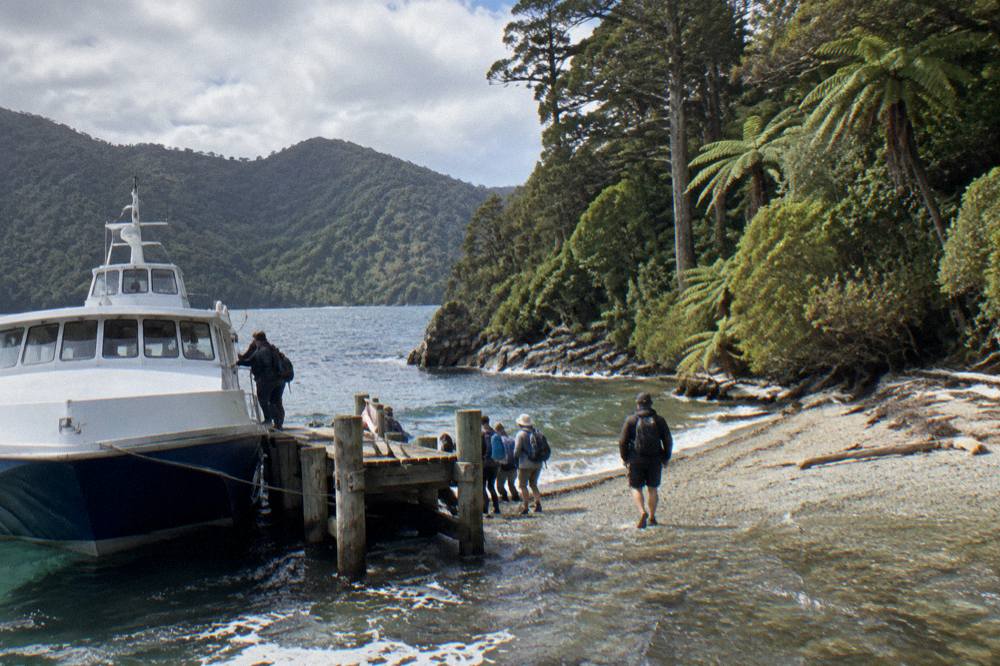
Winter also changes the character of the mail run rather than just its frequency. The route the boat takes varies by weekday and is confirmed at check-in, and the shorter winter days push the return to Picton earlier than the summer estimate of around 5.30pm. A minimum passenger number applies, and the operator contacts passengers if a sailing will not run. Winter passengers should therefore watch for a message on the morning of travel and have a phone reachable, since a thinly booked departure can be stood down.
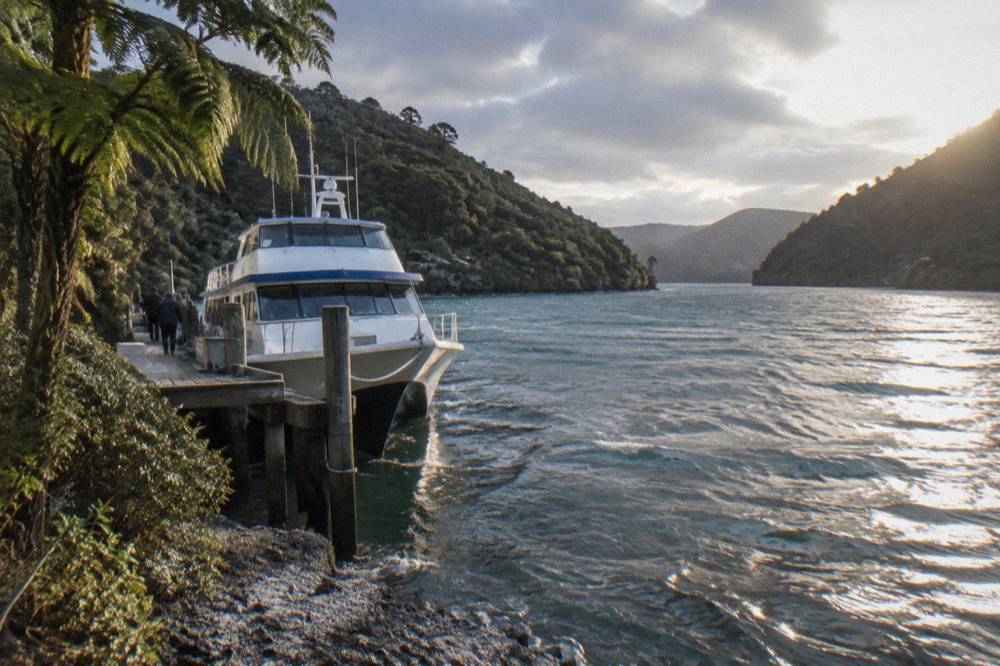
The weather-cancellation picture is calmer than visitors fear. The Pelorus operator describes it as rare for the boat not to operate, since the Sounds are sheltered, and offers a full refund or an alternate date on those rare cancellations. The Picton mail boat cruise lists free cancellation up to 24 hours before departure, which in practice means a winter booking can shift a day without penalty if the forecast sours. The same 24-hour window appears on nearly every Picton cruise covered here, which makes a winter itinerary with a movable cruise day cheap to insure: book two candidate days at a pinch, cancel one inside the window once the forecast is clear, and lose nothing.
For a full-day winter option, the Havelock-based Full Day Iconic Mail Boat Cruise runs its Monday, Wednesday and Friday schedule year round, from $83.40 per person, rated 4.8 across 336 reviews, with a guide and commentary on board and tea and coffee included. Bring a packed lunch, since food is not. Havelock has cafes, a bakery and a small supermarket near the marina, so the morning check-in at 9.30am leaves time to buy supplies on the way.
The trade in winter is simple: fewer sailing days and wetter statistics against emptier boats and, in the operators' own words, sometimes the year's calmest water. Anyone booking a winter cruise should keep one spare day in Picton, which the guide to staying in Picton helps with. Visitors driving in should also note that winter's shorter days compress the practical sightseeing window: a cruise ending near 5pm in summer ends earlier in the winter months, and the waterfront quiets early.
“Meeting the locals along the way as they received their mail, beautiful scenery, and dolphins. The boat was very comfortable and the pilot and host were very interactive and informative.”
When Can Orcas And Dolphins Be Seen Near Picton?
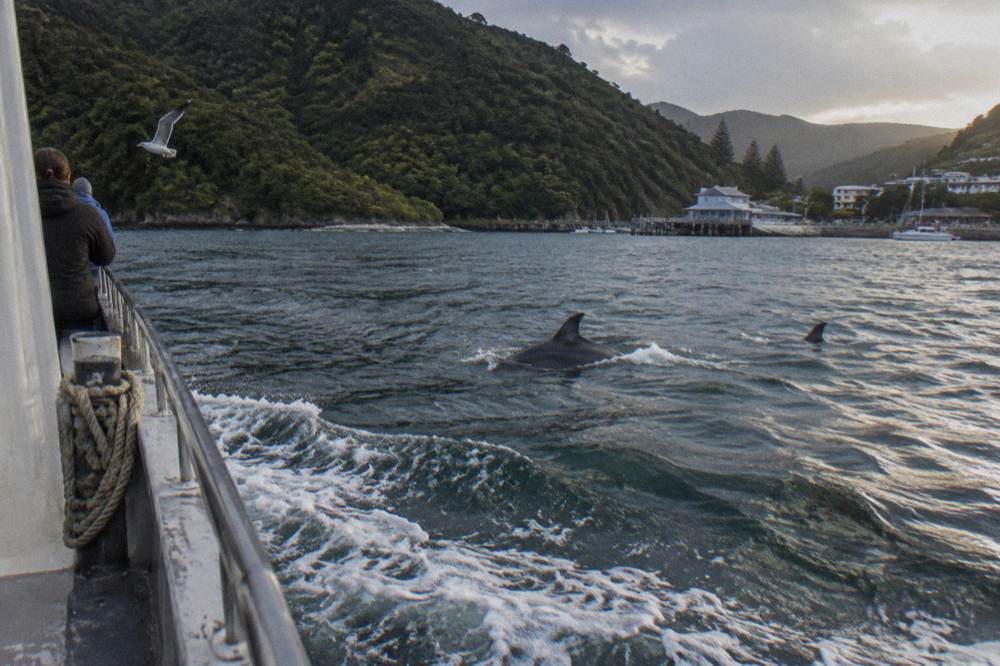
Dolphin species in the Sounds include dusky, bottlenose, common and orca, with rare Hector's dolphins, and orca are reported near shore from October to March; fur seals gather around Kaipupu, and humpbacks pass the edge of Cook Strait in winter. No operator guarantees a sighting, and every cruise describes wildlife as something that may be seen.
The October to March orca window comes from Marlborough NZ's wildlife information, not from a tour company, which makes it the most trustworthy timing signal available. It lines up neatly with the summer cruise schedule, so a visitor sailing between October and March gets both the most sailing days and the widest dolphin season.
| Wildlife | Where in the Sounds | Season signal |
|---|---|---|
| Orca | Near shore waters | Reported October to March |
| Dusky, bottlenose, common dolphins | Throughout the Sounds | May be seen year round |
| Fur seals | Especially around Kaipupu | Hauled out, keep 20 m away |
| Humpback whales | Edge of Cook Strait | Winter, rare inside the Sounds |
| Seabirds including rare king shags | Pelorus | Regularly seen on mail runs |
The Pelorus operator's wildlife notes give a sense of what a day on the water regularly includes: little blue penguins, white-fronted terns, fluttering shearwaters and spotted and pied shags are encountered routinely, while fur seals, stingrays and dusky, common and bottlenose dolphins appear often enough to be listed as regular possibilities, with orca described as very occasional. The rare king shag holds a population of roughly 500 to 600 birds, and Marlborough NZ asks boats to keep at least 100 m from their nesting and roosting sites.
Boat behaviour around mammals is regulated, and the rules explain some of what passengers see. Under the Department of Conservation's marine mammal rules, vessels go no faster than idle within 300 m of any marine mammal, keep at least 50 m from whales, and avoid approaching closer than 20 m to hauled-out seals. A cruise that seems to keep its distance from dolphins is following the rules, not missing them; the DOC summary of the regulations sets out the full distances.
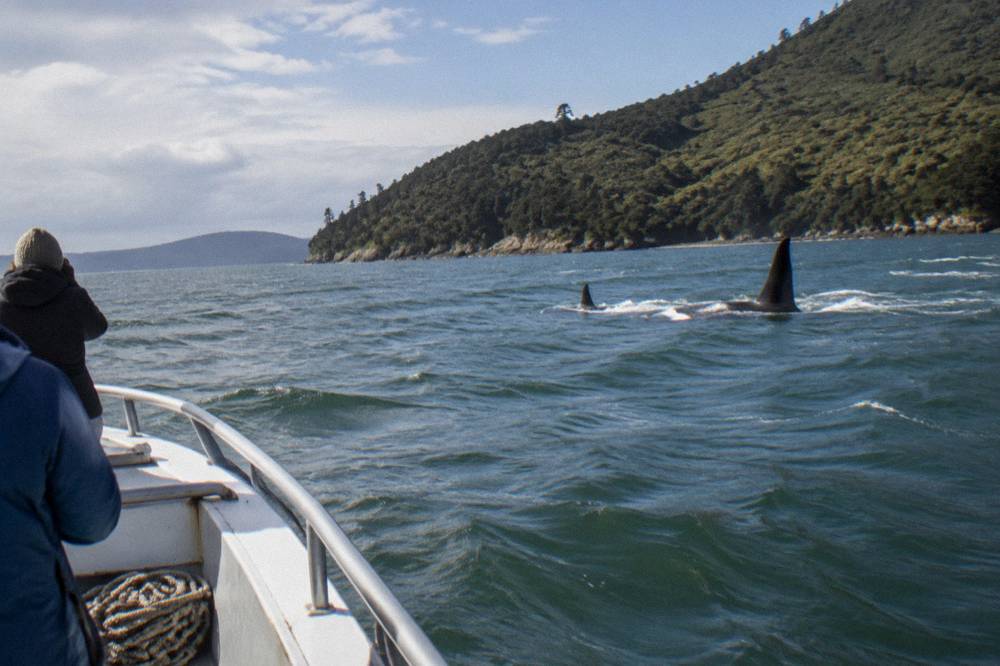
The most wildlife-focused option is the Motuara Wildlife Sanctuary Tour and Dolphin Cruise from Picton: four and a half hours, from $100.08 per person, rated 4.7 across 216 reviews, with a guide, commentary, park fees and drinks included, and a stated landing on Motuara Island, where rats were eradicated in 1992 and saddleback, robin and kakariki now breed. More detail sits in the Motuara Island tour guide, and Marlborough NZ's sanctuary page covers the island itself. For birders deciding between the two island sanctuaries, the bird watching eco-tour to Blumine Island covers the other predator-free option, from $128.84 per person and rated 4.8 across 56 reviews.
Is Summer The Busiest Time For Picton Boat Tours?
Booking ahead matters most in this window, and least in winter.
Summer crowds in Picton are real but modest by international standards: the largest Picton cruise listings carry maximums of 70 to 99 travellers, and the wildlife-focused small-group tours cap at 30. The constraint is departure capacity, not crowding on the water, and the busiest boats are the most reviewed ones, which fill first.
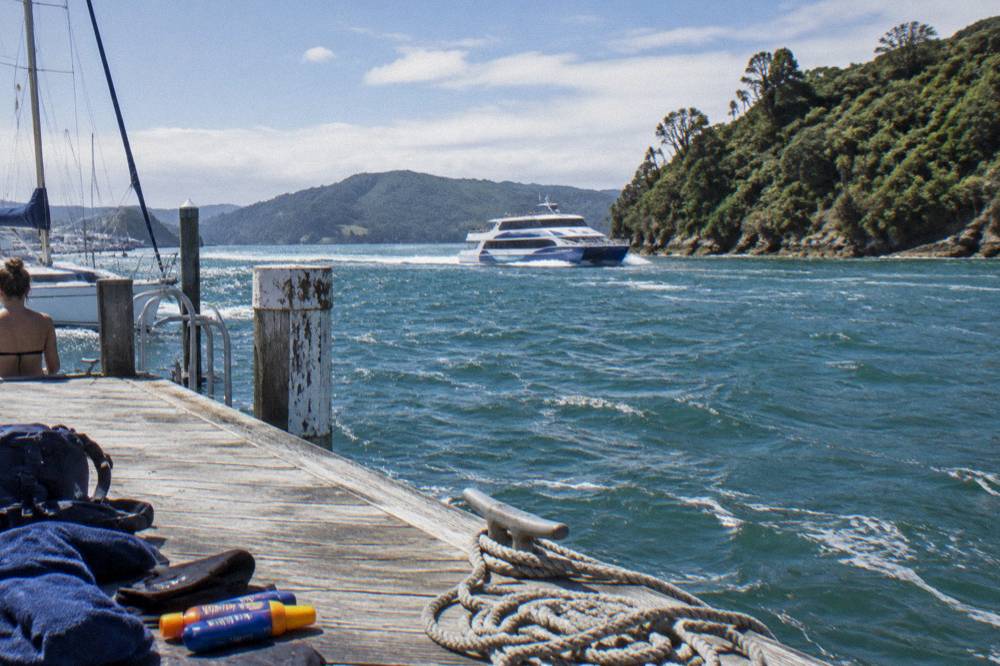
Summer visitors also compete with cruise ship passengers. Port Marlborough's schedule shows vessels berthing at Waimahara Wharf in Shakespeare Bay or Waitohi Wharf in Picton Harbour across the November to April season, and expedition ships anchoring at Ship Cove. The shore excursion product itself is the shortest and among the cheapest on the waterfront at 2 hours from $59.00 per person, rated 4.5 across 71 reviews, and it is built around ship timings rather than independent travellers' schedules.
It sails from Beachcomber Cruises on London Quay with commentary and toilets on board, and it delivers a working mail and freight service to remote jetties as it goes, which is why its summer weekdays follow different arms of the Sound.
For anyone weighing the two mail boats against each other, the Picton versus Pelorus comparison works through the differences in start point, duration and price.
What About Combining A Cruise With The Queen Charlotte Track?
The track walks best from October to April, when boat operators run regular water-taxi and cruise connections to Ship Cove, the track's starting point; the track is 73.5 km one way from Ship Cove to Anakiwa, normally 3 to 5 days on foot, and boat operators carry packs between accommodation along it.
“Lovely day exploring the sounds, and seeing the native flora and fauna. The guided walk on Motuara island was great fun - gave us a good idea of what to look out for. The cruise dropped us at Ship Cove where we enjoyed our picnic and a hike and some snorkelling. All in all a day very well spent!”
Season matters here more than for a plain cruise, because a multi-day walk needs several dry-ish days in a row, not one. February and March, averaging 65 and 101 mm, are the statistically safest months for the full track, and February has the year's fewest wet days. Winter walking is possible on this intermediate-grade track but requires more weather contingency. The first stage from Ship Cove to Resolution Bay is 4.5 km and about 2 hours, with the next stage to the head of Endeavour Inlet another 10.5 km and about 3 hours, so even a one-stage taste of the track commits most of a day once the boat legs are counted.
The boat-assisted day options sidestep the commitment. The Queen Charlotte Track cruise and self-guided hike from Picton runs 8.5 hours from $67.00 per person, rated 4.8 across 424 reviews, landing at Ship Cove and walking a stage before the boat collects you. A pass is required only on the private-land sections between Kenepuru Saddle and Davies Bay near Anakiwa, and DOC's track page carries the current track status, which should be checked before any walk. Dogs are not allowed on the track at any time of year, a standing rule rather than a seasonal one.
Is Autumn Or Winter Actually A Good Time To Sail?
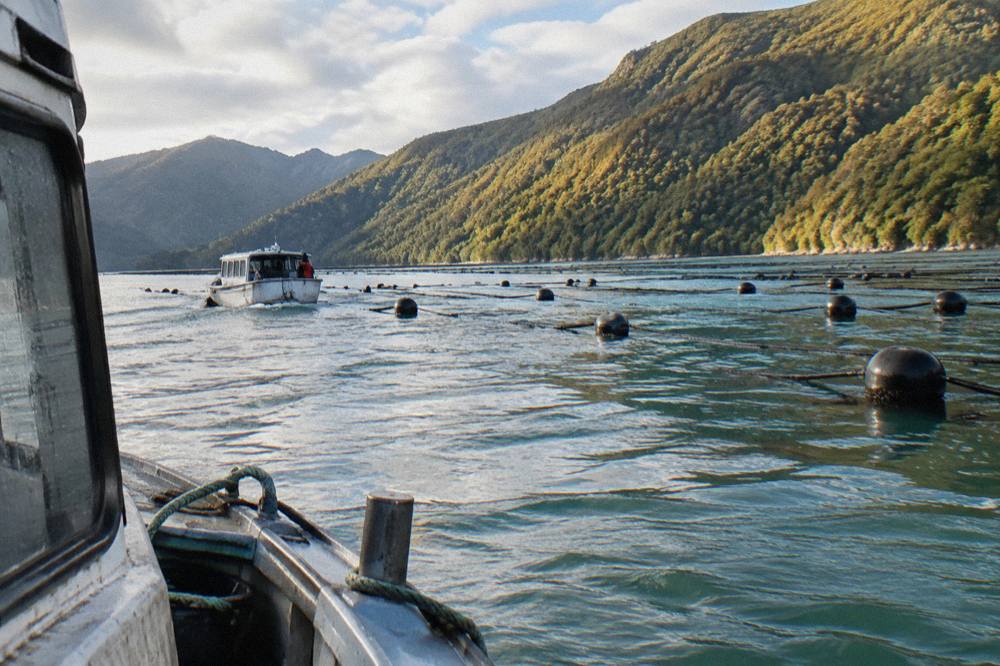
It can be: the Pelorus operator describes autumn and winter Sounds conditions as sometimes the best of the year, with calm water and more marine life, and May still averages only 112 mm of rain against July's 207 mm. The trade is fewer sailing days, smaller winter vessels on the Picton run, and a real need for a flexible date.
Autumn is the quiet sweet spot in the numbers. April and May sit at 104 and 112 mm, barely wetter than March, but the summer crowds have gone while the six-day summer mail boat schedule runs to the end of April. A late-April sailing gets the full schedule at shoulder-season demand, and April is arguably the single most underrated month on the whole calendar for that reason.
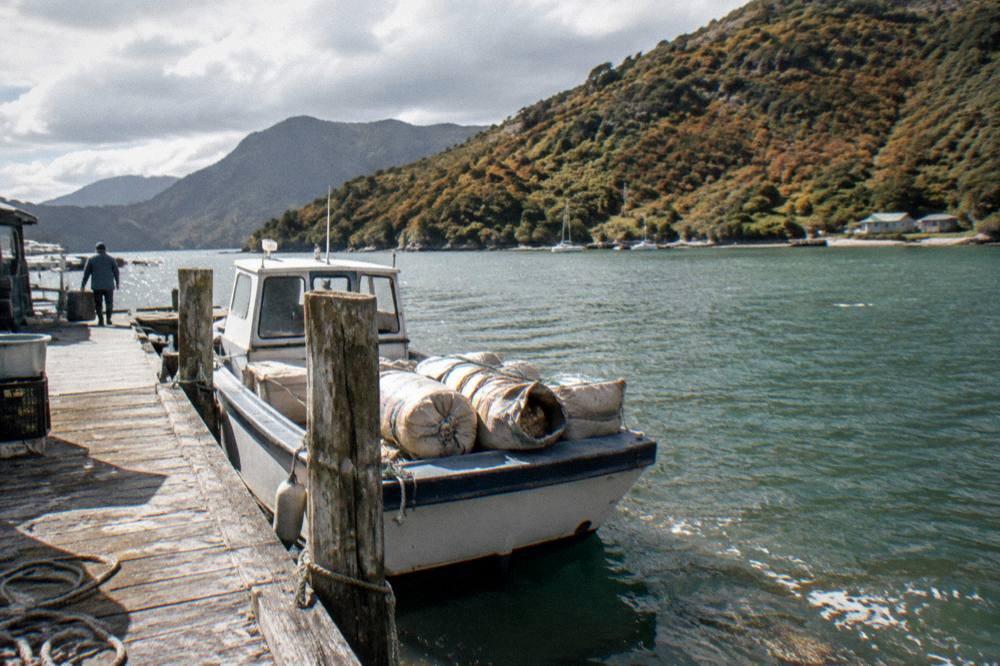
Winter demands more planning but pays it back in stillness. The Sounds' sheltered inner reaches keep sailing viable when the outer coast is wild, and the reduced timetable concentrates passengers onto fewer, often convivial departures. The operator notes for winter are honest: smaller vessels, no hot drinks on the Picton run, and a minimum passenger number that can cancel a thinly booked day.
| Season | Rain signal | Schedule | Best for |
|---|---|---|---|
| December to March | 65 to 101 mm a month, fewest wet days | Full summer timetables, six-day mail run | First visits, wildlife, track walking |
| October and November | 133 to 140 mm, spring winds peak | Summer schedule from 1 October | Orca window opening, fewer crowds |
| April and May | 104 to 112 mm | Six-day mail run to 30 April, then winter | Quiet boats on near-summer rainfall |
| June to September | 121 to 207 mm, most wet days | Three-day mail run, smaller vessels | Calm-water days, lowest demand, flexibility |
The month by month summary, then, reads from the table: December to March for the driest record and fullest schedules, October and November for the orca window's opening with spring energy, April and May for quiet boats on near-summer rainfall, and June to September for the lowest demand and emptiest decks if the date can flex. The Beachcomber mail boat page publishes the current timetable, and the NIWA Marlborough climatology holds the full rainfall record behind the table above.
Whatever month wins, the starting point for the year-round options is Picton Mail Boat Cruises, where every cruise and boat-assisted walk is laid out by category.
Common Questions About The Best Time For A Marlborough Sounds Cruise
When Is The Best Time To Visit The Marlborough Sounds?
October to April for full schedules and the driest months, with February the driest at 65 mm of rain. May to September still has cruises, on reduced days, with fewer crowds.
Do Marlborough Sounds Cruises Run In Winter?
Yes. The Picton mail boat sails Monday, Wednesday and Friday from 1 May to 30 September, using smaller vessels with no hot drinks, and the Havelock mail boat keeps its three-day week year round.
What Is The Wettest Month In Picton?
July, averaging 207 mm of rain and 14 wet days of a millimetre or more, per the NIWA 1981 to 2010 record. February is the driest at 65 mm over four wet days.
When Can Orca Be Seen Near Picton?
Orcas are reported near shore from October to March. Dolphins may be seen year round and no sighting is ever guaranteed.
Is Summer Too Busy For A Sounds Cruise?
Boats fill fastest from late December to February, especially the most reviewed cruises, but group caps of 30 to 99 travellers keep the water uncrowded. Booking ahead solves it.
Which Month Has The Fewest Wet Days In Picton?
February, with an average of four days of 1 mm or more of rain, followed by January and December at six and seven.