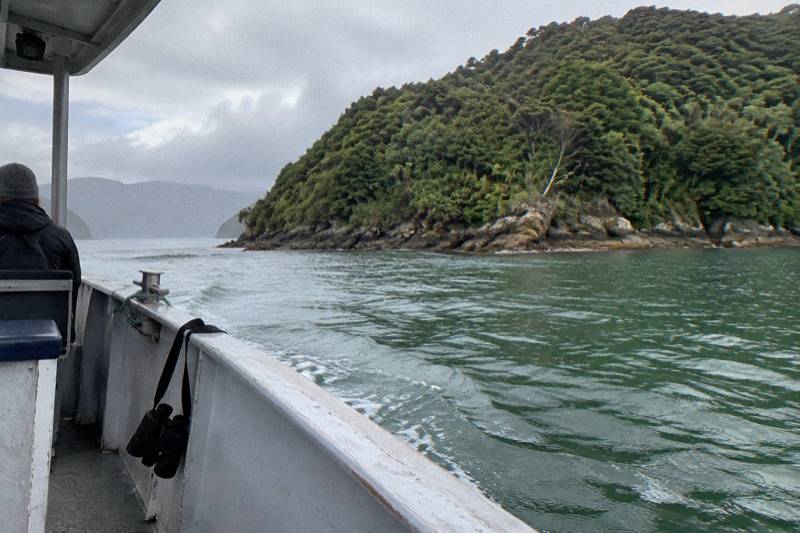
Motuara Island Tour: Bird Sanctuary Landing And Dolphin Watching
Motuara Island is a predator-free bird sanctuary in Queen Charlotte Sound, reached only by boat, and a handful of Picton cruises call there. This guide sets out which tours actually land, what they cost, and what you can expect to see.
Short answer
"Only a few Picton cruises include a Motuara Island stop. The Motuara Wildlife Sanctuary Tour and Dolphin Cruise runs 4.5 hours from $100.08 per person, is capped at 30 travellers, and states an island landing with a nature walk. Motuara sits about 32 km from Picton, opposite Ship Cove, and has no dogs and one lookout track.
What Is Motuara Island And Why Visit?
Motuara Island is a predator-free scenic reserve in Queen Charlotte Sound, about 32 km from Picton and opposite Ship Cove, where rats were eradicated in 1992 and native birds now thrive at densities the mainland has lost, reached only by boat, with a jetty and a walking track to a lookout. Captain Cook proclaimed British sovereignty over the South Island there in 1770, and for most visitors it is the easiest way to stand inside a working island sanctuary.
The Department of Conservation describes Motuara as a scenic reserve accessed by own boat, scenic cruise or sea kayak, with a jetty available for landings. What makes it special is what is missing: introduced rats were wiped out in 1992, and all other introduced pests followed in the early 1990s. Since then the island has been loaded with rare natives. South Island saddleback were translocated in 2009, and the birds there today descend from just 36 rescued in 1964. South Island robin, yellow-crowned parakeet and bellbird also hold established populations, and the island serves as a creche for rowi kiwi, one of the rarest kiwi on earth, with fewer than 500 left. Eggs are hatched in captivity and chicks are raised on Motuara until they reach about 1 kg, then returned to Okarito.
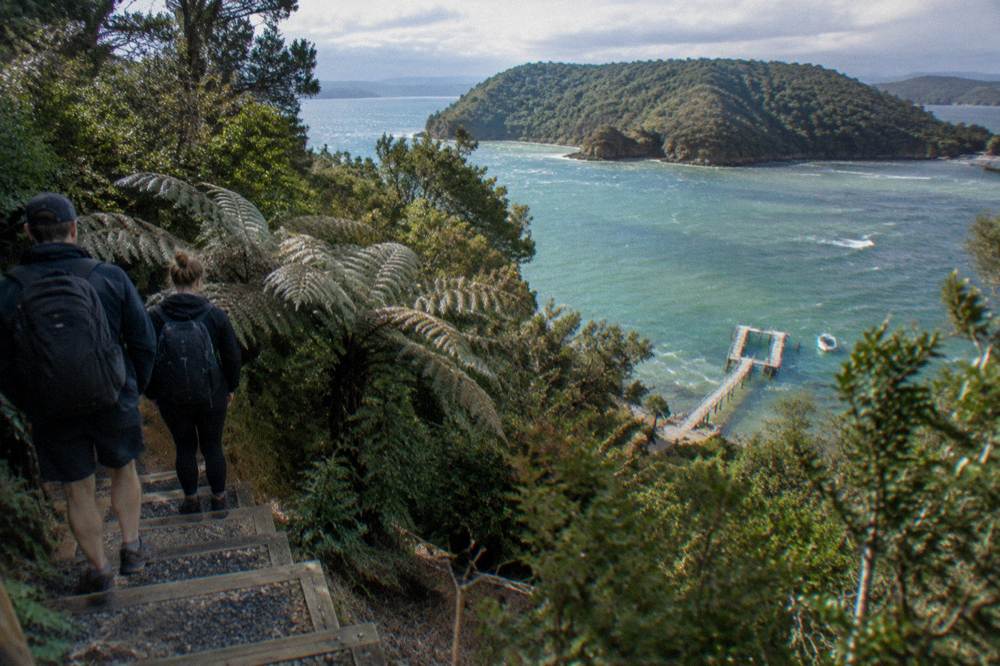
The human history runs just as deep. Cook anchored and came ashore in 1770, and Hippa Island at the southern tip was the site of a pre-European Maori pa. The walking track climbs through regenerating forest to a lookout with views back across the Sound toward Ship Cove and the Tory Channel entrance. Allow a steady hour or so for the return walk with stops; there is no accommodation and no camping, so every visitor is a day visitor arriving by water.
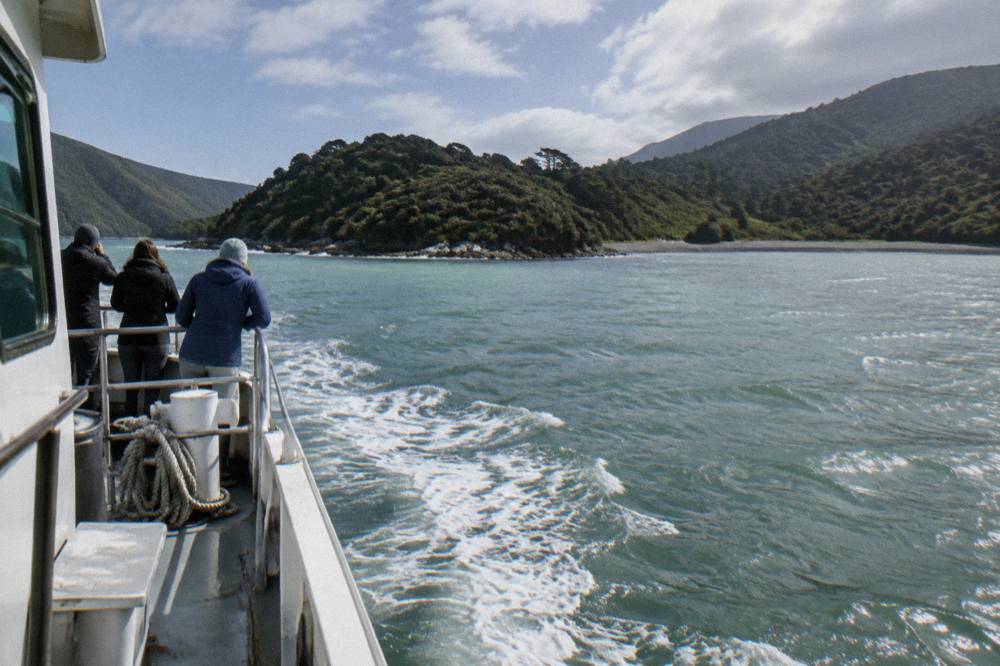
For travellers based in Picton, the practical appeal is simple: a half-day on the water, a genuine conservation story, and a reasonable chance of dolphins on the crossing. The birds on the island are the one sighting close to reliable, because they live there. Everything in the water is a may-see, and honest operators say exactly that.
If a sanctuary landing appeals, three small-group eco options cover the island and its wildlife. The differences between them, mainly the landing versus a dolphin focus, are set out in the sections below.
Which Cruises From Picton Actually Land On Motuara Island?
One Picton cruise built around a Motuara Island landing is the Motuara Wildlife Sanctuary Tour and Dolphin Cruise by E-Ko Tours, departing 1 Wellington Street, which includes a nature walk in a group capped at 30 travellers. The Motuara Island Bird Sanctuary and Ship Cove Cruise only passes by or makes a short stop at Motuara, landing instead at Ship Cove, while other trips merely mention it en route, so check each itinerary before booking.
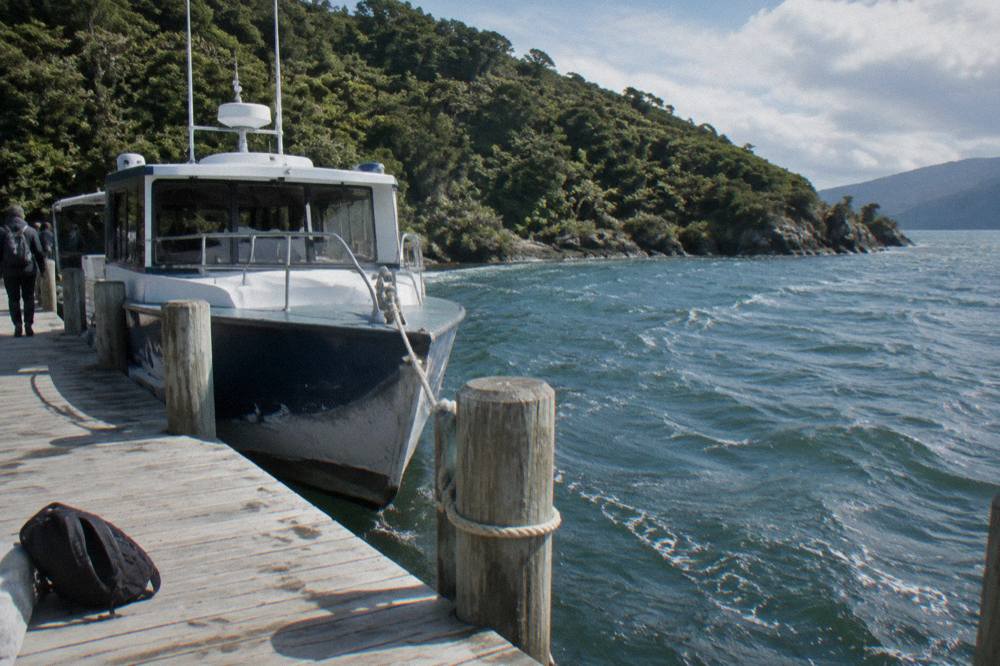
This distinction matters more than any other on the page. The featured sanctuary tour, rated 4.7 across 216 reviews, runs 4 hours 30 minutes, includes a guide, commentary on board, National Park fees and drinks, and states the Motuara Island landing plainly. At from $100.08 per person with free cancellation up to 24 hours before, it is the closest thing to a purpose-built Motuara Island tour departing Picton. Because the group is capped at 30, the island walk stays quiet rather than turning into a procession. To see how this sanctuary walk stacks up against other low-impact cruises out of Picton, the guide to Picton eco tours and dolphin swims compares prices, durations and group sizes side by side.
The Beachcomber product, the Motuara Island Bird Sanctuary and Ship Cove Cruise from Picton, runs 4 hours 30 minutes from $69.02 per person, is rated 4.1 across 38 reviews, and carries up to 70 travellers. Its itinerary shows a pass-by or short stop at Motuara combined with a Ship Cove landing, so treat it as a two-highlight cruise rather than a sanctuary deep dive. It is the cheaper way to see the island from the water and set foot at Ship Cove, and it includes toilets on board, which the small-group eco boats do not state.
Two further options sit at the edges of the category. The Captain Cook and Dolphin Cruise from the same E-Ko operation, 4 hours and from $100.08 per person, rated 4.7 across 28 reviews, covers the historic sites and dolphin watching with National Park fees included but is best understood as a companion trip. And the Queen Charlotte Track Ultimate One Day Walk lists a stop of about an hour at Motuara within its 9.5-hour day, though with 11 reviews it is too new to the options here to judge on ratings. The lesson across all of them is the same: the itinerary text is the promise, and a route mention is not a landing.
| Cruise | Duration | From price (per person) | Motuara visit as described | Group cap | Reviews |
|---|---|---|---|---|---|
| Motuara Wildlife Sanctuary Tour and Dolphin Cruise | 4 hr 30 min | $100.08 | Landing stated, with nature walk | 30 | 4.7 from 216 |
| Motuara Island Bird Sanctuary and Ship Cove Cruise | 4 hr 30 min | $69.02 | Pass-by or short stop, plus Ship Cove landing | 70 | 4.1 from 38 |
| Captain Cook and Dolphin Cruise | 4 hr | $100.08 | Motuara not stated as a stop | 30 | 4.7 from 28 |
| Queen Charlotte Track Ultimate One Day Walk | 9 hr 30 min | $211.67 | About 1 hour stop within a walk day | 30 | 11, too few for a star claim |
A reader weighing the small-group sanctuary trip against the bigger-boat option can compare the trade-off directly: the E-Ko sanctuary and dolphin cruise costs about $31 more than the Beachcomber two-highlight trip and takes under half the passengers to the island itself.
How Much Does A Motuara Island Tour Cost?
A Motuara Island tour from Picton costs between $69.02 and $211.67 per person in USD, depending on the option. The sanctuary and Ship Cove combination starts at $69.02, the full sanctuary landing tour starts at $100.08, and the ultimate walk day with an hour at Motuara starts at $211.67. All three options allow free cancellation up to 24 hours before per their booking terms.
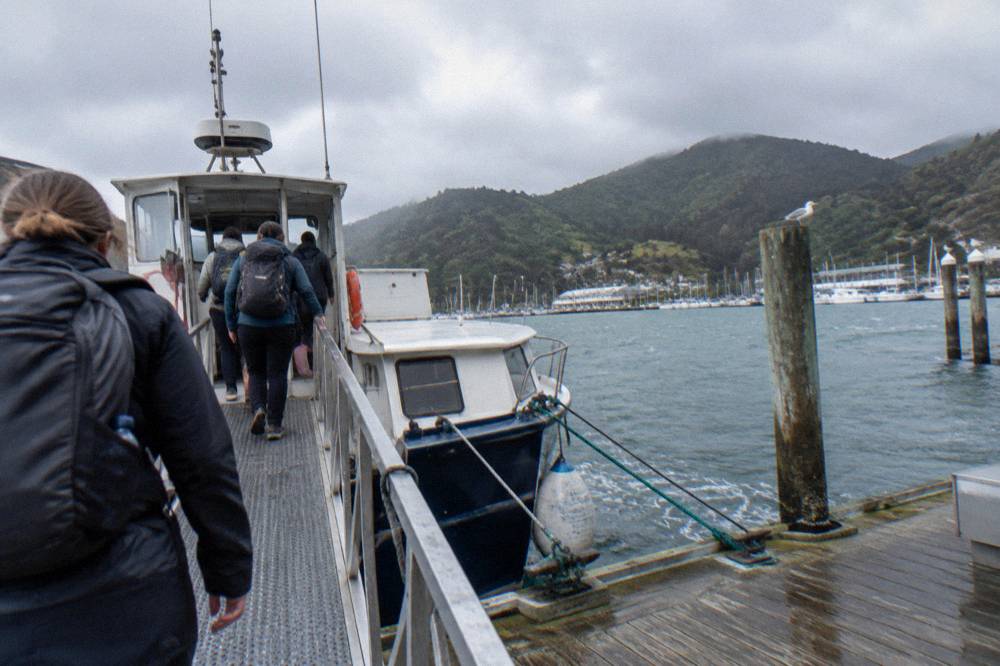
The spread is narrower than it first looks once you account for what is inside each ticket. The E-Ko sanctuary tour includes National Park fees, drinks and a guide, so the headline price carries few add-ons beyond gratuities, which are listed as not included, and hotel pickup, which is excluded and unnecessary in a town where every departure point sits on the waterfront. The Beachcomber trip similarly excludes food and hotel transfers, and charges $6 for a keep cup if you want tea or coffee on board. The ultimate walk day excludes lunch, which matters on a 9.5-hour itinerary.
For budget context across the wider Picton fleet, the cheapest per-person cruise with a real review history is the Picton Shore Excursion: Queen Charlotte Sounds Cruise at $59.00 across 71 reviews, though it is a 2-hour harbour loop with no island landing. At the other end, the Bird Watching and Dolphin Eco-Tour to Blumine Island, from $128.84 per person, is the dearest per-person option with 15 or more reviews.
Families should note that every price here is an adult from-price on a per-person basis. Child fares for these Picton tours are not stated on the booking pages, so check the booking details for the specific date rather than assuming a discount.
Is The Sanctuary Landing Tour Worth The Extra Money?
At about $31 more than the pass-by cruise, the sanctuary landing buys three things the cheaper trip does not: a stated landing and nature walk on a predator-free island, a guide in a group of no more than 30, and included National Park fees and drinks. Whether that is worth it depends almost entirely on how much the island itself, rather than the Sound, is the point of your day.
Travellers whose main interest is photography or a relaxed scenic morning may be perfectly happy with the bigger boat and the Ship Cove landing, which stacks two famous locations into one trip. Birders and families with curious children will get more from an hour on a island where saddleback and kakariki move through the scrub at close range, led by a guide who knows where they feed. The review pool backs the sanctuary trip more strongly too: 4.7 from 216 reviews against 4.1 from 38 for the two-highlight cruise, though both are respectable scores.
What Wildlife Can You See On A Motuara Island Tour?
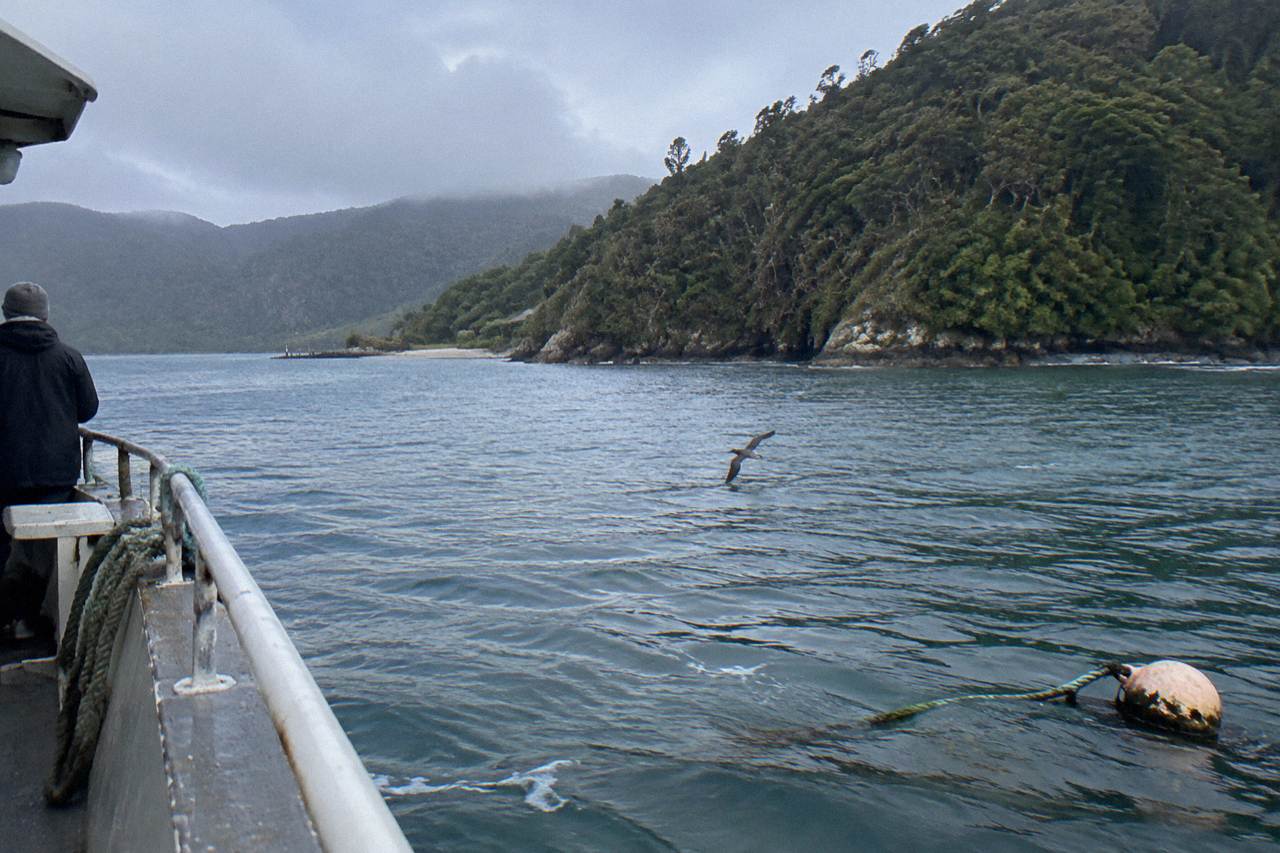
On the island itself you may see South Island saddleback, South Island robin, yellow-crowned parakeet, bellbird, tui, kereru and fantail, all resident since predators were removed, plus Marlborough green geckos. Motuara also serves as a creche for rowi kiwi chicks. On the water, dolphins may be seen on the crossing, fur seals gather around Kaipupu, and orca come near shore from October to March, but no sighting is ever guaranteed.
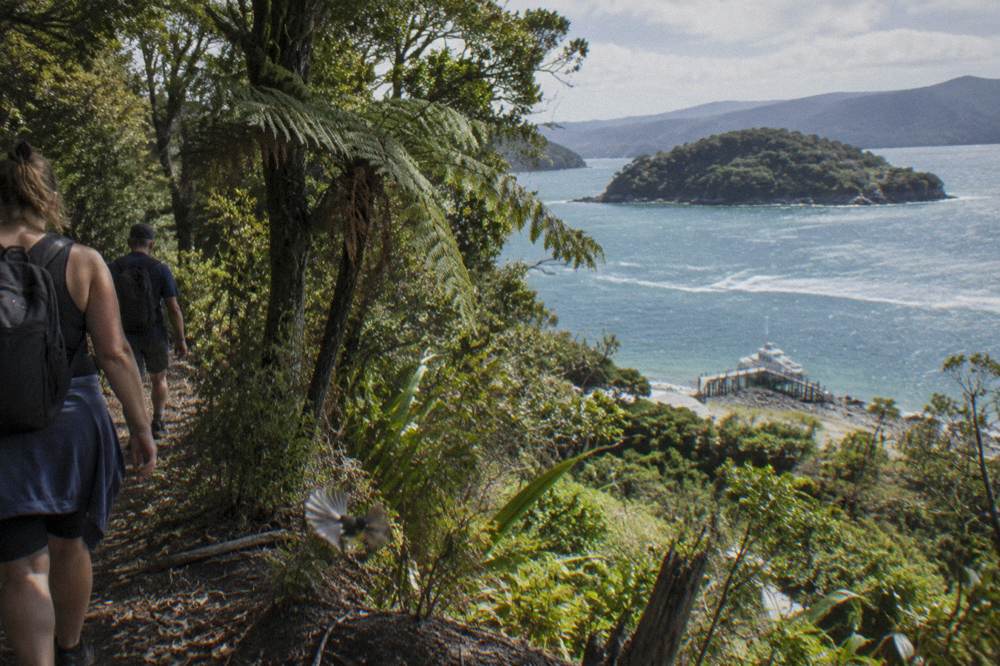
The island birds are the honest headline.
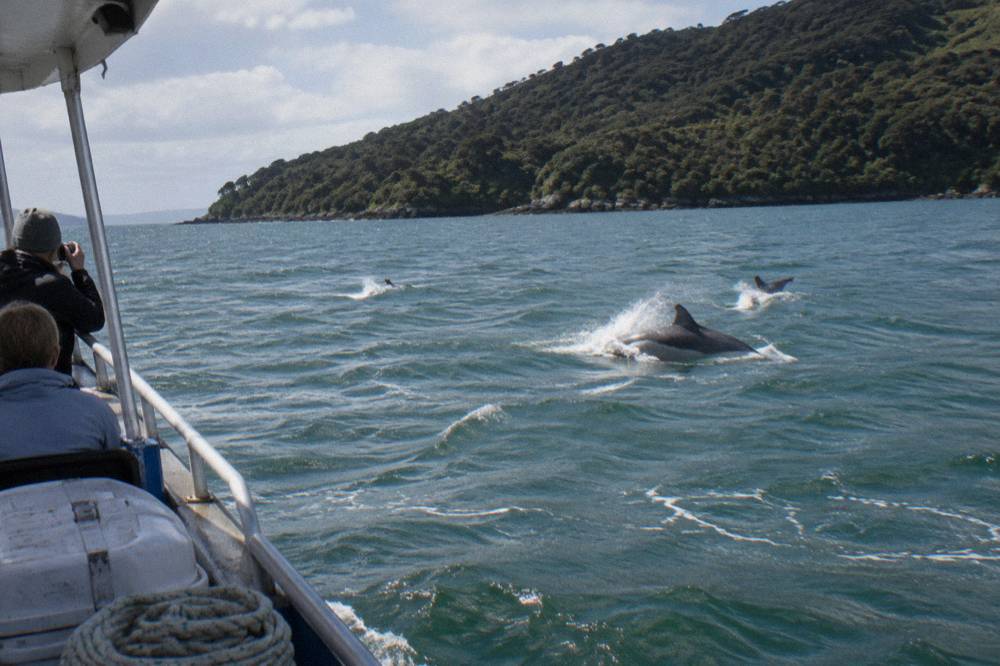
The water crossing is a different proposition, and the operators themselves frame it with may-see language. The dolphin species recorded in the Sounds are dusky, bottlenose, common and orca, with rare Hector's dolphins, and Marlborough NZ notes orca come near shore from October to March. Fur seals gather around the Kaipupu Wildlife Sanctuary shoreline. Humpbacks pass the edge of Cook Strait in winter but are rare inside the Sounds. A good day can produce several of these; an ordinary day can produce none, and any tour that promises otherwise should be treated with caution.
There are rules behind those encounters. Under the Marine Mammals Protection Regulations as summarised by DOC's marine mammal rules, boats travel no faster than idle within 300 m of any marine mammal, keep at least 50 m from whales, stay about 20 m from hauled-out seals, and never swim with whales or with dolphin pods carrying very young calves. Licensed Picton operators follow these rules, which is why a dolphin encounter means slowing and watching rather than chasing. King shags, one of the rarest seabirds in the world with a population of 500 to 600, also live in the Sounds, and Marlborough NZ asks boats to keep at least 100 m from their nesting and roost sites.
How Long Is The Trip And What Is The Walk Like?
The sanctuary landing tour runs 4 hours 30 minutes from Picton, with an island nature walk whose duration is not mentioned, while the pass-by cruise runs the same 4 hours 30 minutes split between Ship Cove and its brief Motuara stop.
Both Motuara-focused cruises check in at the Picton waterfront: E-Ko Tours at 1 Wellington Street, where a blue line from the Visitor Information Centre leads the way, and Beachcomber at the corner of Wellington Street and London Quay. The crossing to the island takes about an hour by boat in tourism board wording, which leaves the rest of the half-day for the crossing itself, commentary, and any marine mammal pauses along the way.
On the island, the walk is the whole point. There is no road, no shop and no shelter beyond the bush, and the track is the only maintained route. Wear shoes with grip rather than jandals, and expect the climb to be warm in summer because the forest holds still air. The lookout at the top delivers the reward: Queen Charlotte Sound stretched north, Ship Cove across the water, and on a clear day the ridgelines of the Tory Channel side. DOC asks all visitors to check, clean and seal gear before landing so that no seeds, soil or pests hitch a ride to the island, and good preparation means doing that at the hotel, not on the boat.
Timing against transport is straightforward. The morning ferries from Wellington, Bluebridge arriving 11:45am and Interislander about 12:00pm, connect with the 1:30pm mail run after the 1pm check-in, though a night in Picton first opens every departure. Cruise ship passengers should also check the port schedule, because ships berth at Waimahara Wharf in Shakespeare Bay or Waitohi Wharf in Picton Harbour and the schedule's ETA is to the pilot station, adding about three hours or two and a half hours respectively before anyone walks down the gangway.
| Trip element | Sanctuary landing tour | Sanctuary and Ship Cove cruise |
|---|---|---|
| Total duration | 4 hr 30 min | 4 hr 30 min |
| Check-in point | 1 Wellington Street, Picton | 1 London Quay, Picton |
| Time on Motuara | Landing with nature walk, about an hour | Pass-by or short stop |
| Other landing | None stated | Ship Cove landing |
| Max travellers | 30 | 70 |
| Toilets on board | Not stated | Stated |
| Included | Guide, commentary, park fees, drinks | Commentary |
| Not included | Gratuities, hotel pickup | Food, hotel pickup, $6 keep cup |
What Should You Bring And Know Before You Go?
Bring sun protection, water, grippy shoes for the island track, a warm layer for the boat, and nothing that could carry seeds or soil ashore, because DOC's biosecurity ask is to check, clean and seal your gear. Dogs are not allowed on Motuara and there is no camping. Bookings on the main sanctuary tour can be cancelled free up to 24 hours before per the booking terms, which matters in a Sounds where weather shifts fast.
The Sounds climate rewards preparation. NIWA's Marlborough data puts Picton at 1463 mm of rain a year, with July the wettest month at 207 mm and February the driest at 65 mm, and wet days of 1 mm or more running from 4 in February to 14 in July. The sheltered inner waters stay calm most days, but the outer Sounds are exposed to Cook Strait gales and strong winds peak in spring and summer, so a windproof outer layer earns its space even on a bright forecast. Operators themselves note that autumn and winter can deliver some of the best conditions of the year, with glassy water and more marine life, though that is an observation, not a promise.
Food needs planning. No Motuara tour includes a meal, and the E-Ko trips include drinks but not food. A small sealed bag for rubbish is sensible; anything you carry ashore should come back with you.
Practical logistics are easy in a town this small. Every Picton departure point named on these cruises sits within two blocks of the foreshore, so no hotel pickup is needed and none is offered. Arrive at check-in with time to spare, keep your booking confirmation on your phone, and photograph the check-in board: routes and timing details are confirmed at check-in rather than printed in advance.
| What to bring | Why it matters on Motuara |
|---|---|
| Shoes with grip | The track is a dirt path climbing to the lookout |
| Warm and windproof layer | Boat speed plus Cook Strait breeze, even in summer |
| Sun hat and sunscreen | Reflected light on the water and open sections of track |
| Water and a snack | No meal included; eat on the boat, not on the island |
| Clean, sealed gear | DOC asks visitors to check, clean and seal against pests and seeds |
| Rain shell | Picton averages 12 wet days a month in the shoulder season |
Motuara Island Or Blumine Island: Which Suits You?
Motuara suits visitors who want the established sanctuary with saddleback, robins and the Cook history, on a 4.5-hour half-day; Blumine Island, on its dedicated eco-tour of 3 to 4 hours from $128.84 per person, suits birders who want a quieter, less-visited reserve and a smaller footprint. Both are predator-free islands in the Sounds, both are capped at 30 travellers on their eco tours, and neither promises dolphins, though both may deliver them.
Blumine Island lies further out toward the Cook Strait entrance, and its tour, rated 4.8 across 56 reviews, includes a guide, commentary and National Park fees, with a 3 to 4 hour duration that fits an afternoon or a morning with time to spare. The trade is simple: Motuara has the longer conservation record, the kiwi creche and the lookout walk with its panoramic payoff, while Blumine has fewer visitors and, at 4.8 from 56 reviews, the stronger score in a smaller pool. Neither number makes one better; they measure different days.
There is a third shape of day worth naming. The swim-with-dolphins option, from $128.84 per person for 2 to 4 hours, turns the emphasis fully to the water, and it carries a different booking basis: no free-cancellation line is stated, only weather and minimum-number policies, because a swim trip depends on conditions and pod behaviour in a way an island walk does not. Anyone whose heart is set on getting in the water should read those terms before booking rather than after.
For walkers, one more option bridges the categories: a boat-and-walk day on the Queen Charlotte Track, covered in detail in the Queen Charlotte Track boat and walk guide, starts at Ship Cove, the track's official beginning, and some versions include a Motuara stop. It is a full day rather than a half, and it rewards legs more than binoculars.
When Is The Best Time To Take A Motuara Island Tour?
Summer, from October through March, is the most reliable season for orca near shore and the warmest island walking, while operators themselves point to autumn and winter for glassy water and more marine life, and Picton's rainfall data shows February as the driest month at 65 mm and July the wettest at 207 mm. There is no single best month; there is only the month that matches your priorities, and the tours run year round.
The seasonal case works like this. Spring and summer bring the strongest winds in the Sounds, which can chop the outer crossings, but they also bring orca closer to shore between October and March and the best weather for the lookout walk. Autumn delivers the calm, glassy conditions the Pelorus operator describes as some of the best of the year, with more dolphins in the water by its account, and winter, though wet, empties the boats and the track. Anyone scheduling around a cruise ship visit should cross-check the port schedule, since expedition vessels sometimes anchor at Ship Cove itself and crowd the northern Sound on port days.
Day of the week matters less here than for the mail boats, whose routes rotate by weekday, but the advice from the Picton mail boat schedule and cost guide still applies generally: book the date you want early in your stay, not on your last day, so a weather shift leaves room to retry. Free cancellation up to 24 hours before on the main Motuara tours makes an early booking low-risk.
How Does A Motuara Day Fit Into A Longer Picton Stay?
Two full days in Picton covers the island sanctuary plus one contrasting water day comfortably.
Visitors planning a wider Marlborough itinerary have room to move. The sanctuary landing pairs well with a Ship Cove cruise on a separate day, since the two-highlight Beachcomber trip touches both but briefly, and dedicated days at each give both places their due. A track walk, a seafood tasting cruise or a kayak morning all fill a third day, and Picton's compact waterfront keeps every departure point within walking distance of the town's accommodation.
Choosing among them comes back to the reason you are reading this page. If the answer is the birds, the sanctuary and the story of an island brought back to life, the landing tour is the match, and Picton Mail Boat Cruises covers the booking details, dates and current availability in one place. If the answer is a broad first look at the Sounds with two famous stops, the combined cruise does that for less. Either way, the island will still be there, doing what it has done since 1992, which is quietly proving what New Zealand coastlines sound like when the predators leave.
Common Questions About Motuara Island Tours
Which Cruise From Picton Actually Lands On Motuara Island?
The Motuara Wildlife Sanctuary Tour and Dolphin Cruise, departing 1 Wellington Street, states the island landing with a nature walk, runs 4 hours 30 minutes, from $100.08 per person, and caps the group at 30. The Beachcomber Motuara and Ship Cove cruise shows a pass-by or short stop at Motuara instead of a full landing.
How Much Does A Motuara Island Tour Cost?
Between $69.02 and $100.08 per person for the half-day cruises that include or approach the island, and from $211.67 for the full-day track walk with about an hour at Motuara. All prices are USD from-prices per person; free cancellation up to 24 hours before applies to these tours per their booking terms.
What Birds Will I See On Motuara Island?
The resident species include South Island saddleback, South Island robin, yellow-crowned parakeet, bellbird, tui, kereru and fantail, and sightings are likely because they live on the island. The rowi kiwi creche birds are nocturnal, so expect their story rather than the birds themselves on a daytime walk.
Will I See Dolphins On The Way To Motuara Island?
Dolphins may be seen, and the tour's own description uses exactly that wording. Dusky, bottlenose, common and orca all occur in the Sounds, with orca near shore from October to March, but no operator can guarantee a sighting, and marine mammal rules require boats to slow to idle within 300 m.
How Long Is The Boat Trip To Motuara Island?
The full tour runs 4 hours 30 minutes door to door from Picton, with the crossing about an hour each way in tourism board wording and roughly an hour on the island. The track to the lookout takes most walkers 45 to 60 minutes return at a steady pace.
Can I Visit Motuara Island On My Own?
Only by your own boat, a scheduled cruise or a kayak, as DOC notes, and there is no public ferry. No dogs are allowed and camping is not permitted, so independent visits need a pickup arrangement, which makes the scheduled tours the practical option for almost everyone.