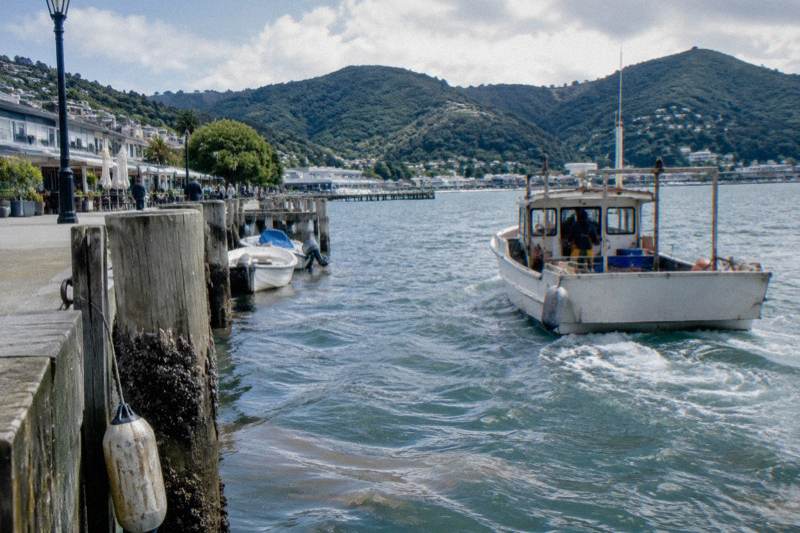
What To Wear And Bring On A Marlborough Sounds Cruise
The Sounds are sheltered water, but they are still open water, and the difference between a good day on deck and a cold one usually comes down to shoes and layers. Here is what to wear, what to pack and what each cruise actually provides.
Short answer
Wear layers with a windproof outer, closed-toe shoes with grip, and sun protection even in winter. Pack a small day bag with water, lunch where the cruise excludes food, and any medication you need. Tea and coffee on Beachcomber cruises needs a $6 Keep Cup, and swim gear only matters for the dolphin swim tour.
The Marlborough Sounds are drowned river valleys, and the weather in them can turn four seasons into a single afternoon. A boat that leaves Picton in sunshine can meet a cool headwind an hour up the Sound, then drift back into still, warm air behind a headland. None of this is unusual, and none of it is a reason to stay ashore. It is simply why the packing question matters more here than on a harbour ferry ride in a city.
The practical answer comes down to three things: layers you can add and remove on a moving deck, shoes that grip a wet surface, and a realistic idea of what your particular cruise provides. The tours covered here differ sharply on food and drink. The Pelorus Mail Boat includes tea and coffee and asks you to bring your own lunch. Beachcomber cruises exclude food and sell tea and coffee only if you buy a Keep Cup. One full-day cruise includes lunch at a lodge. Getting this right before you leave saves money and a hungry afternoon.
This guide works through clothing, footwear, the day bag, food and drink, weather protection and family specifics, using the operator details and climate records for the Sounds. It also points to the deeper guides on this site, including the Marlborough Sounds cruise overview and the best time for a Marlborough Sounds cruise, when the timing question matters more than the wardrobe one.
What Should You Wear On A Marlborough Sounds Cruise?
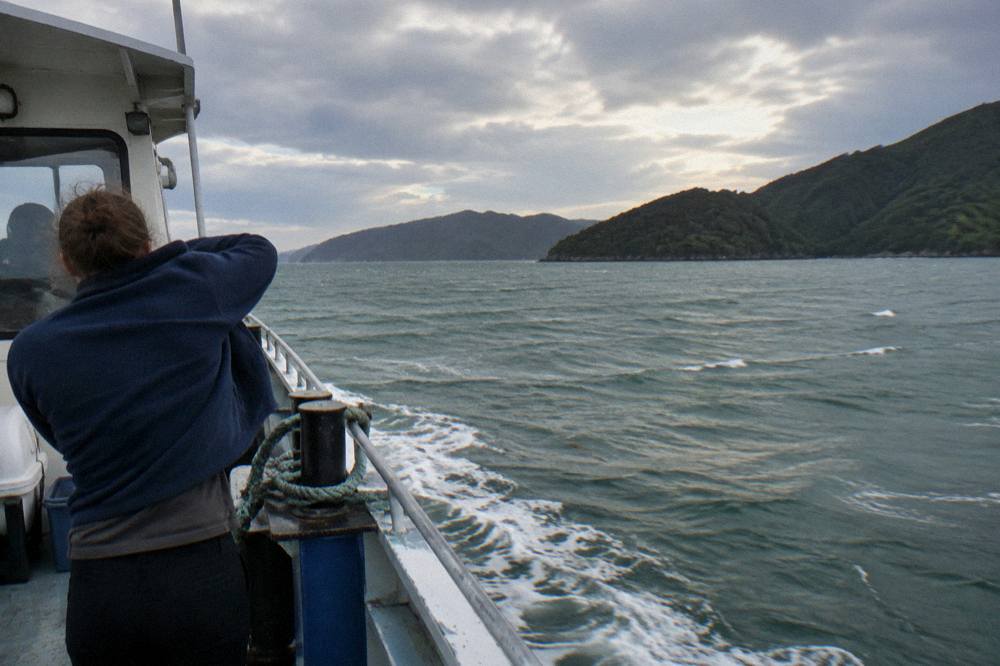
Dress in three layers: a base that does not hold sweat, a warm middle layer such as a fleece, and a windproof and showerproof jacket on the outside. Long trousers beat shorts on almost every cruise here, because wind chill on an open deck drops the felt temperature fast, even on a day that feels warm on the Picton waterfront. A warm hat and gloves are worth carrying from late autumn to early spring.
The Sounds sit at the top of the South Island, which fools visitors into packing for the subtropics. The reality is closer to coastal Wellington than to Auckland. Picton's climate record, from the NIWA Marlborough climatology, shows 1463 mm of rain a year at the Picton station, spread through every month, with July the wettest at 207 mm and February the driest at 65 mm. Rain is not a daily event, but it is a frequent enough one that a showerproof outer layer belongs in your kit in any season, and the sheltered inner Sounds can be glassy and calm on the same morning the outer coast is blowing a gale.
Wind is the bigger factor for comfort. Strong winds in the region peak in spring and summer according to the same NIWA record, while winter tends to bring lighter conditions but colder air and more rain. Synthetic fleece or wool insulates even when damp, and a jacket with a collar that zips up to the chin makes a remarkable difference over four hours.
| Layer | What It Does | Good Options | Notes |
|---|---|---|---|
| Base | Moves moisture off the skin | Merino or synthetic tee, long sleeve | Avoid heavy cotton, it stays damp |
| Mid | Traps warm air | Fleece, wool jumper, puffy vest | One light layer beats one thick one |
| Outer | Blocks wind and showers | Windproof rain shell | Longer cut keeps the lower back dry |
| Extremities | Heat loss control | Warm hat, light gloves, scarf or buff | Small items, large comfort gain |
Colour and fabric are small decisions with real consequences at sea. Dark clothing absorbs warmth on sunny winter decks, and light clothing keeps you cooler in high summer. What matters most is that everything can come off or go on while you are standing up in a moving boat, which argues for zips over pullovers and for a bag that closes properly rather than an open tote.
What Shoes Should You Wear On A Boat Cruise In Picton?
Closed-toe shoes with flat, grip-soled soles are the right choice, and for two of the Beachcomber half-day cruises they are explicitly recommended rather than required. Skip new leather soles, slippery sandals and anything with a heel. The deck of a working vessel is wet more often than it is dry, and gangplanks and jetty steps add their own hazards.
The booking details for the Half-Day Cruise in Marlborough Sounds from Picton and the Motuara Island Bird Sanctuary and Ship Cove Cruise both list closed-toe footwear, which is a sensible standard for every cruise in the Sounds regardless of what any particular ticket says. The reason is simple physics. Boat decks are washed down, spray comes over the bow in a chop, and rain makes every surface slick. A rubber-soled trainer or a light tramping shoe handles all of it. A leather-soled city shoe does not.
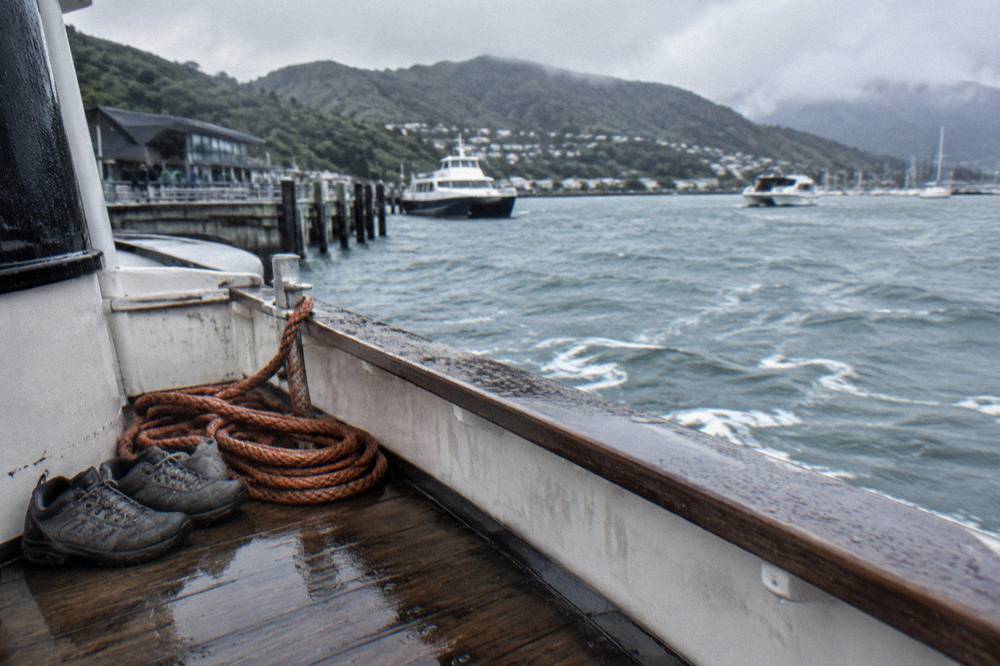
If your day includes a land stop, the shoe question gets more serious. Cruises that touch land at Ship Cove, Motuara Island or along the Queen Charlotte Track put you on gravel paths, jetty ramps and sometimes mud. The track is an intermediate tramping route, and the Department of Conservation describes its 73.5 km length from Ship Cove to Anakiwa in detail on its Queen Charlotte Track page. Even the short first stage, Ship Cove to Resolution Bay, is 4.5 km of track, so boat shoes that double as light walking shoes are the best compromise for a cruise-and-stroll day.
Sandals deserve a specific word. A well-strapped sport sandal works on a stable cruise boat in summer, but on a delivery run where you might step onto a floating pontoon or a barnacled rock, bare toes are a liability. Thongs, jandals and flip flops are fine for the walk along the Picton waterfront beforehand and nothing else.
For readers still choosing the cruise itself, footwear needs scale with the itinerary. A 2-hour shore excursion is forgiving. An 8.5-hour cruise and hike day, like the Queen Charlotte Track: Cruise and Self-Guided Hike from Picton, from $67.00 per person, is effectively a walking day and deserves walking shoes.
What Should You Pack In Your Day Bag For A Picton Cruise?
Pack small and pack dry: a bag that closes, sun protection, a filled water bottle, lunch or snacks where food is not included, any personal medication including seasickness remedies, a phone or camera, and a folded spare layer. Almost every cruise here boards from the Picton waterfront or Havelock Marina, so whatever you bring, you carry it for the whole trip.
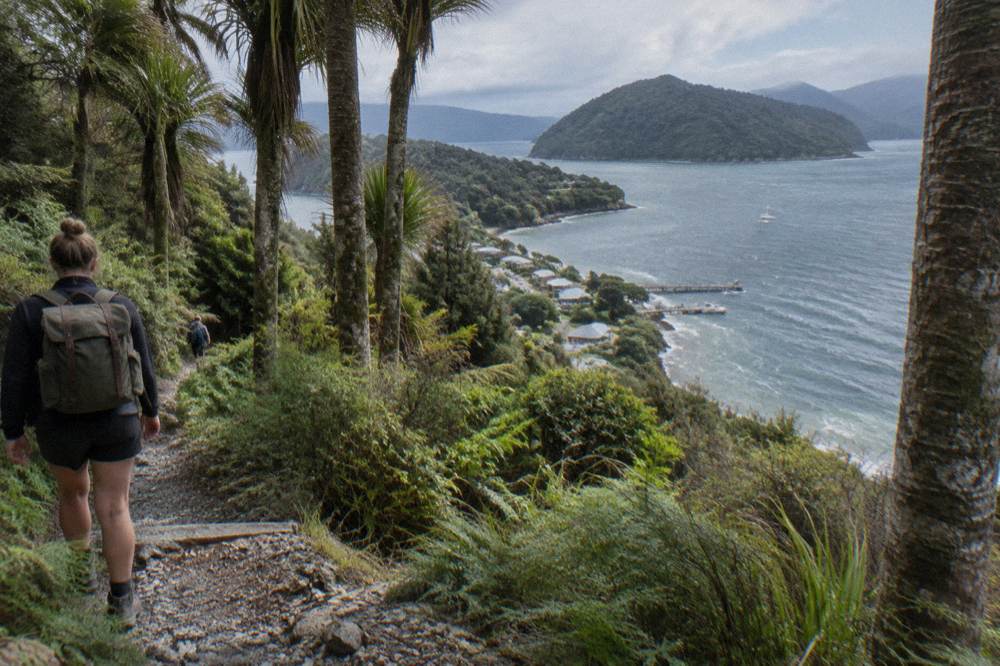
A small backpack with a zip beats every alternative. Boats provide storage under seats or on shelves, but a bag that gapes open scatters its contents on the first turn, and an open tote on a delivery run is an invitation to losing a hat overboard. Keep the bag light enough to lift with one hand, because boarding a smaller vessel sometimes means a step down and a hand on a rail at the same moment.
| Item | Why It Earns Its Place | Applies To |
|---|---|---|
| Zip-closing day pack | Keeps gear dry and contained on a moving deck | All cruises |
| Water bottle | Most cruises exclude drinks; Pelorus includes free tea, coffee and hot water | All except drinks-included eco tours |
| Packed lunch or snacks | Food excluded on most cruises; Pelorus asks you to bring lunch | Mail runs, half-day and delivery cruises |
| Sunscreen and sunglasses | UV reflects off water; glare is constant | All cruises, all seasons |
| Seasickness remedy | Cheaper to carry than to wish for; see below | All cruises |
| Spare warm layer | Weather turns quickly in the Sounds | All cruises |
| Cash or card for extras | Keep Cup, food purchases, gratuities where listed | Beachcomber, Cougar Line, E-Ko tours |
Two items people regret omitting are sun protection and a remedy for nausea. The sun question is covered below, but seasickness deserves its framing here. The Sounds are sheltered and most days are calm, yet a low swell rolling into Queen Charlotte Sound from Cook Strait can still produce motion that bothers sensitive stomachs. The dedicated seasickness guide for Marlborough Sounds cruises covers remedies and timing in depth. The packing version is one line: bring something, because there is no pharmacy at sea.
A dry bag or a simple zip-lock bag protects a phone on spray-prone forward decks. Binoculars earn their weight on wildlife cruises. Dolphins may pass at a distance, and the rare king shag, one of the Sounds' most prized sightings, remains a matter of luck rather than a close-view guarantee.
Do You Need To Bring Food And Drinks On The Cruise?
On most cruises from Picton, yes. Only three of the tours here include food in the ticket: the Endeavour Inlet cruise with lunch, the Seafood Odyssea tasting cruise and the kayak-and-cruise tasting day. The Pelorus Mail Boat includes tea, coffee and hot water but asks you to bring a packed lunch, and Beachcomber cruises exclude food and sell tea and coffee only with a $6 Keep Cup.
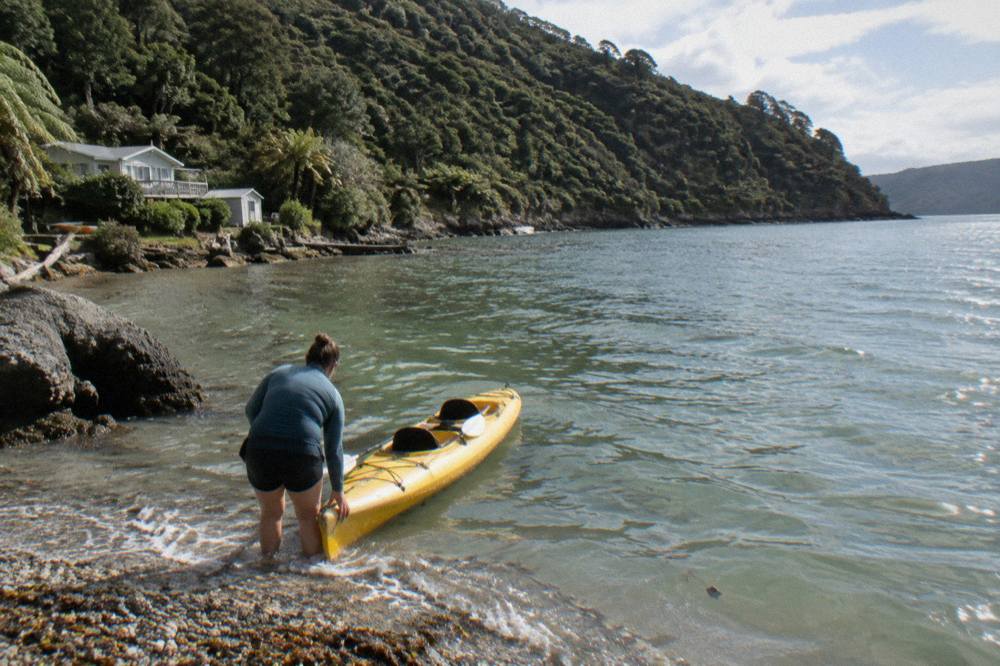
The food question is where the tours genuinely diverge, and where a little preparation pays for itself. The Pelorus Mail Boat, the full-day delivery cruise from Havelock rated 4.8 across 336 reviews and priced from $83.40 per person, includes free tea, coffee and hot water, states a maximum of 60 travellers and provides two toilets, but its own briefing tells passengers to bring a packed lunch, noting that Havelock has cafes, a bakery and a small supermarket near the marina. That is not an oversight, it is the rhythm of a working day that runs from the 10am departure to a mid to late afternoon return.
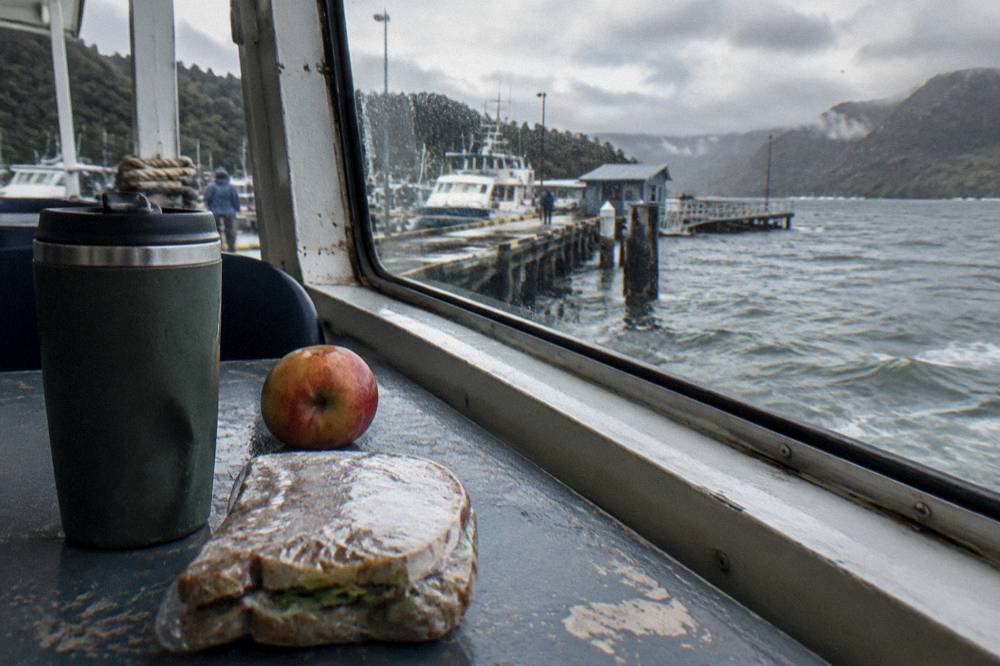
The Picton-based Beachcomber cruises work differently. On the Queen Charlotte Sound Mail Boat Cruise from Picton, a 4-hour run rated 4.7 across 611 reviews and the most reviewed cruise covered on this site, food is not included and tea and coffee on board requires a Keep Cup, which costs $6 to purchase. The Half-Day Cruise in Marlborough Sounds from Picton, from $69.02 per person, lists the same Keep Cup exclusion. Budget a few dollars or bring your own filled cup.
| Cruise | Duration | Food And Drink Status | Practical Move |
|---|---|---|---|
| Queen Charlotte Sound Mail Boat Cruise from Picton | 4 hours | Food excluded; Keep Cup $6 | Eat before the 1pm check-in or bring snacks |
| Half-Day Cruise in Marlborough Sounds from Picton | 3 hours 30 minutes | Food excluded; Keep Cup $6 | Light lunch beforehand |
| 3.5 Hour Marlborough Sounds Delivery Cruise | 3 hours 30 minutes | Food and drinks excluded, available for purchase on some cruises | Bring water and cash |
| Full Day Iconic Mail Boat Cruise (Havelock) | 5 hours | Tea, coffee, hot water included; bring packed lunch | Buy lunch in Havelock before 9.30am check-in |
| Queen Charlotte Sound: Cruise to Endeavour Inlet with Lunch | 7.5 hours | Lunch included; drinks excluded | Bring a water bottle only |
| Seafood Odyssea Marlborough Sounds Cruise | 3 hours | Seafood tasting included | Come hungry, bring a drink |
The delivery cruise operated from Cougar Line's Town Wharf base, the 3.5 Hour Marlborough Sounds Delivery Cruise from $74.77 per person, excludes drinks but notes food and drinks are available for purchase on some sailings, so carrying water and a little cash covers both cases. At the other end of the scale, the 7.5-hour Endeavour Inlet cruise from $91.00 per person includes lunch, which removes the packing burden entirely and makes the long day easier for families.
One genuine food highlight belongs to the Pelorus run, beyond the packed lunch: the crew stops to explain how the mussel industry in the Sound works, which is commentary rather than a tasting, but it adds a dimension the Picton cruises do not have. The dedicated Marlborough Sounds mussel cruise guide covers the seafood side of the Sounds in full.
Do You Need Swim Gear And Sun Protection?
Sun protection, always, in every season, because ultraviolet radiation reflects off the water and the Sounds' latitude is unforgiving in summer. Swim gear, only for one tour: the Swim with Wild Dolphins small-group eco tour, which is built around getting in the water. Swimwear is really only a question for the swim-with-dolphins tour in this lineup.
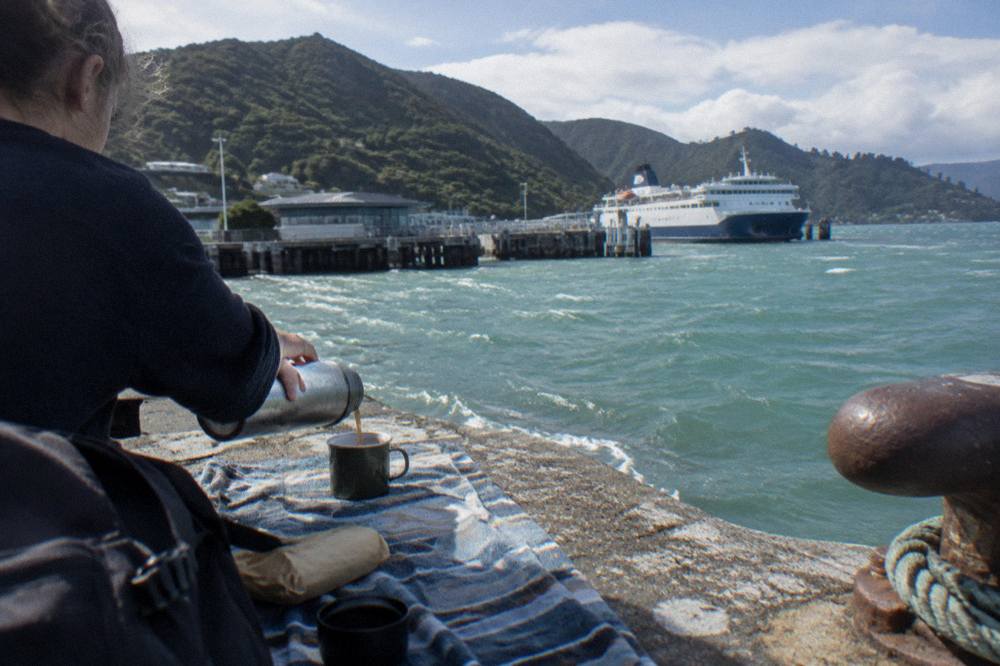
Sunscreen reapplied at least once on a four-hour cruise, sunglasses with a strap, and a brimmed hat that will not blow away form the basic kit. In winter the sun is lower and weaker but the glare off calm water can still be intense, so the sunglasses stay in the bag year round.
The swimming question has a precise answer. The Swim with Wild Dolphins from Picton tour, from $128.84 per person and rated 4.1 across 40 reviews, includes hot and cold drinks and a maximum of 30 travellers, and it is the one cruise on this site where a swimsuit, a towel and a rash vest are part of the plan. The tour may be cancelled for weather or minimum numbers, so pack the gear and the flexibility together. Dolphins in the Sounds are wild animals, and the rules that govern how boats and swimmers behave around them come from the Department of Conservation's marine mammal regulations summary, which bars swimming with whale species entirely and with dolphin pods that have very young calves.
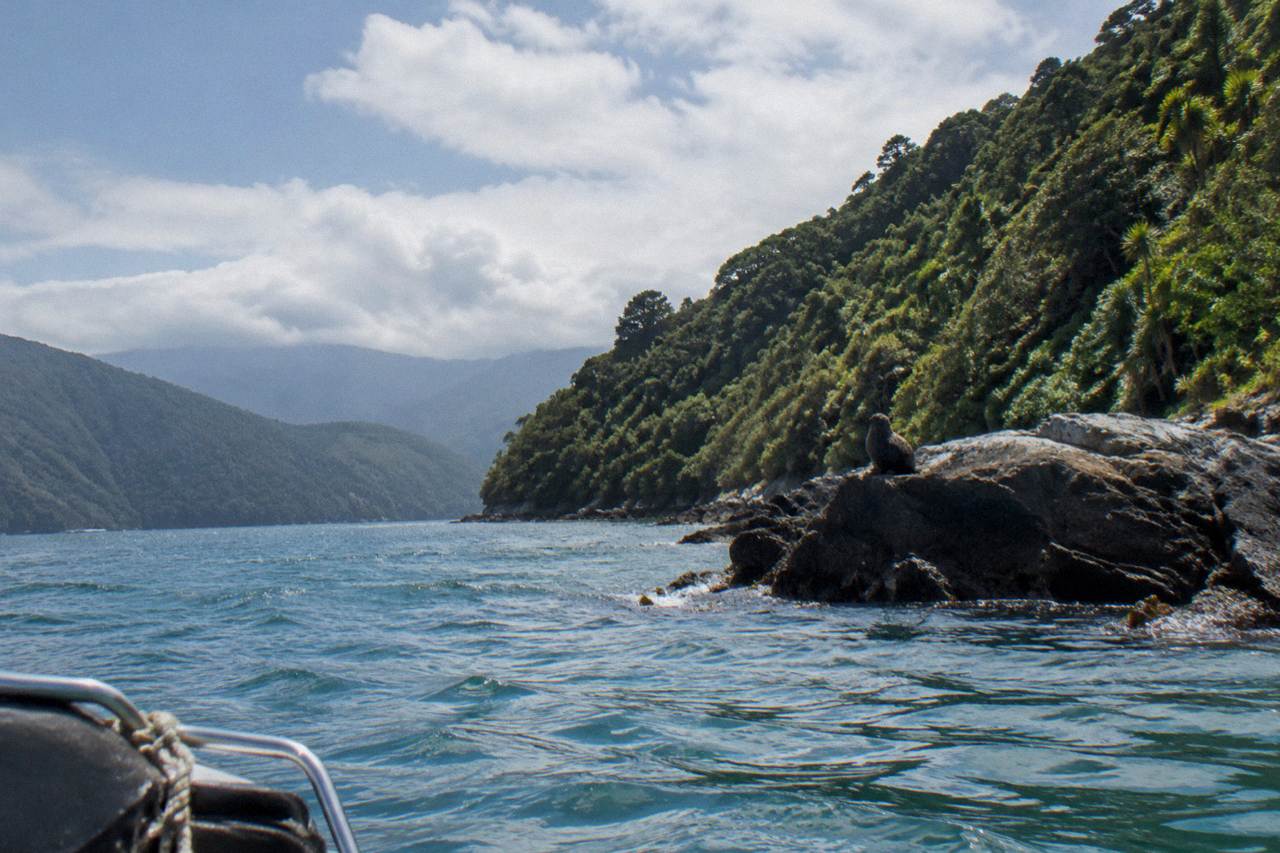
Every other cruise here is a viewing cruise. Fur seals may be seen hauled out on rocks, with rules requiring boats to stay about 20 m back, and orca come near shore between October and March, but none of that puts passengers in the water. A towel is still a reasonable day-bag item on any summer cruise, for spray and for sitting on damp seats, but the wetsuit stays home.
How Does The Season Change What You Wear In Picton?
Summer, December to February, calls for light layers, strong sun protection and a warm layer for the return leg, because February averages just 65 mm of rain but the evenings cool fast. Winter, June to August, is a full winter kit: insulated layers, waterproof outer, warm hat and gloves, with July the wettest month at 207 mm and 14 wet days on average.
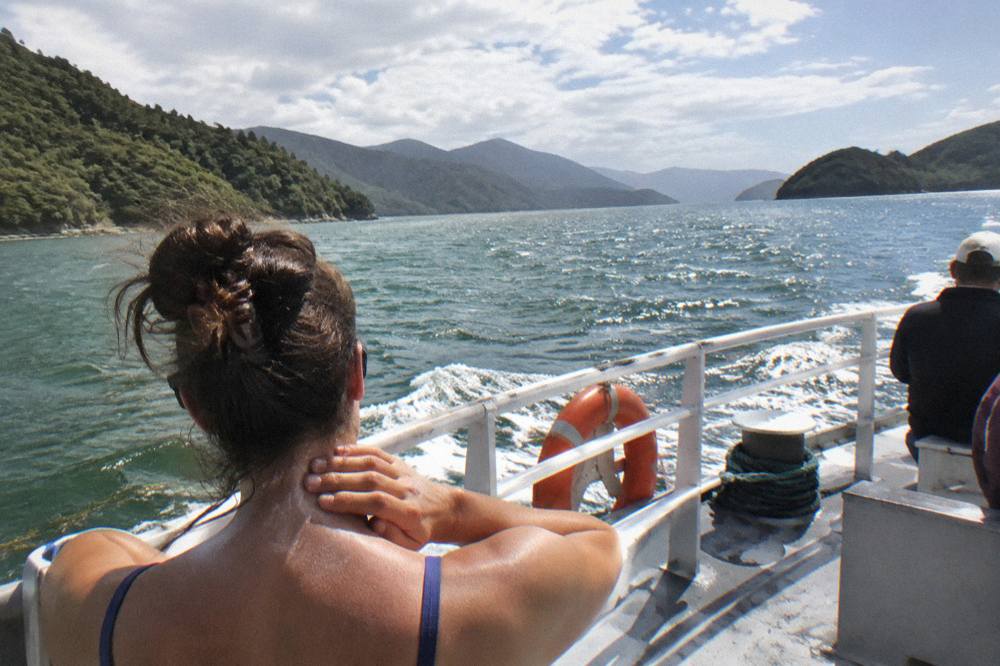
The NIWA climate record for the Picton station gives the numbers that drive the wardrobe. Monthly rainfall runs from a low of 65 mm in February to a high of 207 mm in July, with the wet days of 1 mm or more ranging from 4 in February to 14 in July. Winter as a whole carries roughly a third of the year's rain. None of this makes winter a bad time to cruise. Operators in the Sounds describe autumn and winter as sometimes delivering the best conditions of the year, with glassy calm water and more marine life visible, and the Beachcomber mail run simply shifts to smaller vessels and drops hot drinks between May and September.
| Season | Months | Rain Character | Clothing Priority |
|---|---|---|---|
| Summer | December to February | Driest, February at 65 mm | Sun protection plus one warm layer for the return leg |
| Autumn | March to May | Building, 101 to 145 mm | Layers and a showerproof shell |
| Winter | June to August | Wettest, July at 207 mm | Full waterproofs, insulated mid layer, hat and gloves |
| Spring | September to November | Frequent showers, windiest season | Windproof outer and grippy footwear |
The wind record matters as much as the rain. Strong winds in the region peak in spring and summer, and the outer Sounds are exposed to Cook Strait gales while the inner bays stay sheltered, which is why a cruise can leave a calm Picton marina and meet a bracing breeze at the Sound's mouth. A jacket that blocks wind is the single most valuable clothing item on this entire page. The month-by-month detail, including temperature context and what it means for cruise timing, is in the Picton weather by month guide.
What Should Children Wear On A Sounds Cruise?
Children need the same layering logic as adults, scaled up in quantity: an extra full change of clothes in a waterproof bag, shoes that will not slip on deck, more snacks than seem reasonable, and their own sun hat with a strap. Infant and child fares vary by operator, so check the fare basis on the booking page before assuming a toddler travels free.
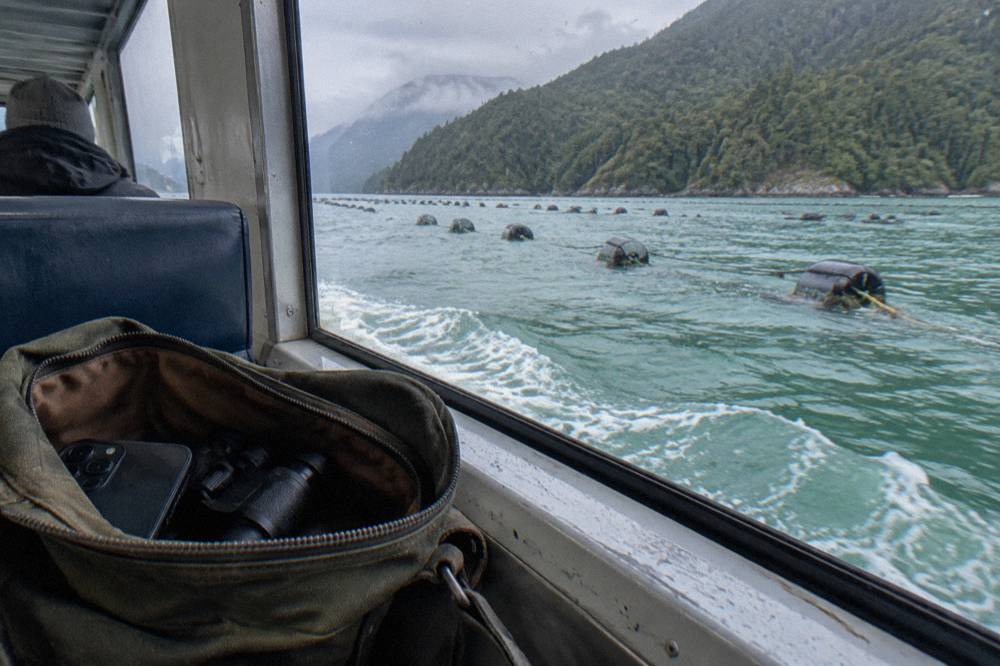
Kids feel cold and heat faster than adults, and they also end up wetter, whether from spray, rain or an enthusiastic encounter with a railing. A complete spare outfit sealed in a plastic bag is the single most useful item in a family day pack, because a wet, cold child at hour two of a four-hour cruise changes the tone of the whole family's day. Closed-toe shoes apply to children just as firmly as to adults on the Beachcomber cruises that state them.
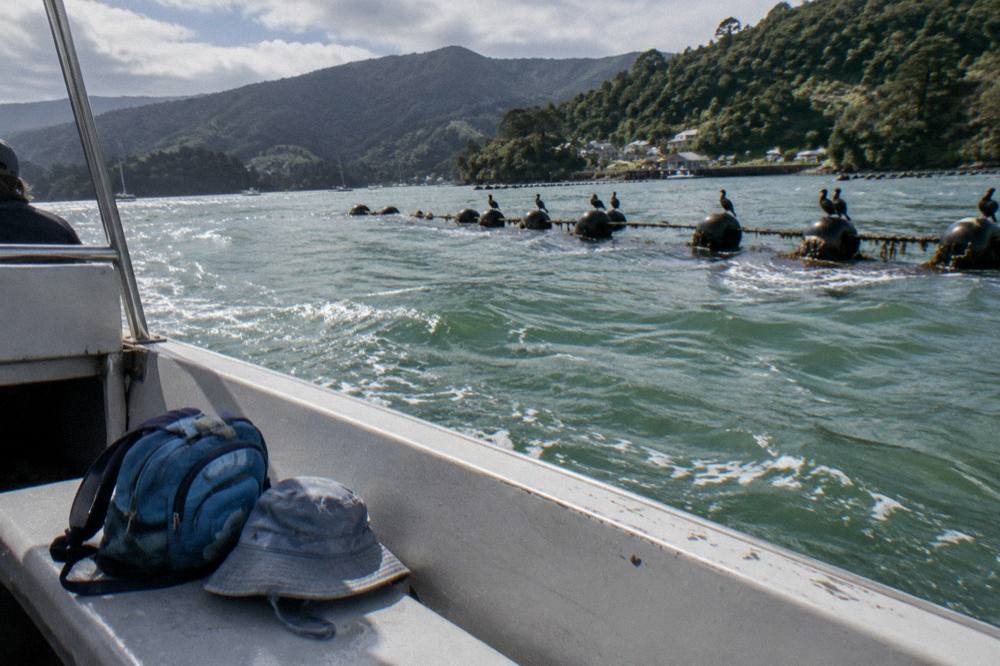
Fares are worth checking carefully. The Picton mail run's operator page shows indicative NZD fares of $132 for adults and $83 for children aged 5 to 14, with infants free, while the Pelorus Mail Boat's own pages show slightly differing child and family fares, so the fare basis at the time of booking is the one that counts. Snacks solve more child problems than any other packing category, and since most cruises here exclude food, that burden sits with the family, not the galley.
Long days deserve honest assessment. The Pelorus run is 5 hours, and the Endeavour Inlet cruise is 7.5 hours. Both are achievable with children, and the lunch-included Endeavour cruise in particular removes one of the hardest logistics of a long family day at sea, but the half-day options, from the 2-hour shore excursion at $59.00 to the 3.5-hour cruises, are the safer first test of a child's sea legs.
What Is The Final Checklist Before Boarding In Picton?
Confirm your departure point and check-in time the night before, because operators cluster around London Quay and Wellington Street but not at the same spot; recheck the weather and the operator's cancellation terms; eat or pack lunch if your cruise excludes food; charge your phone; and arrive with time to park, collect tickets and use the facilities on shore.
The Picton waterfront is compact, but the departure points are distinct. Beachcomber Cruises boards from London Quay, Cougar Line from Town Wharf at 1 London Quay, E-Ko Tours from 1 Wellington Street, Seafood Odyssea from Town Wharf 6 at Picton Marina, and Wilderness Guides from the corner of London Quay and Wellington Street. A five-minute walk separates the extremes, which is nothing with time and stressful without it. The Pelorus Mail Boat, remember, leaves from Havelock Marina, a different town entirely, with pay and display parking at the marina and a 9.30am check-in for the 10am departure.
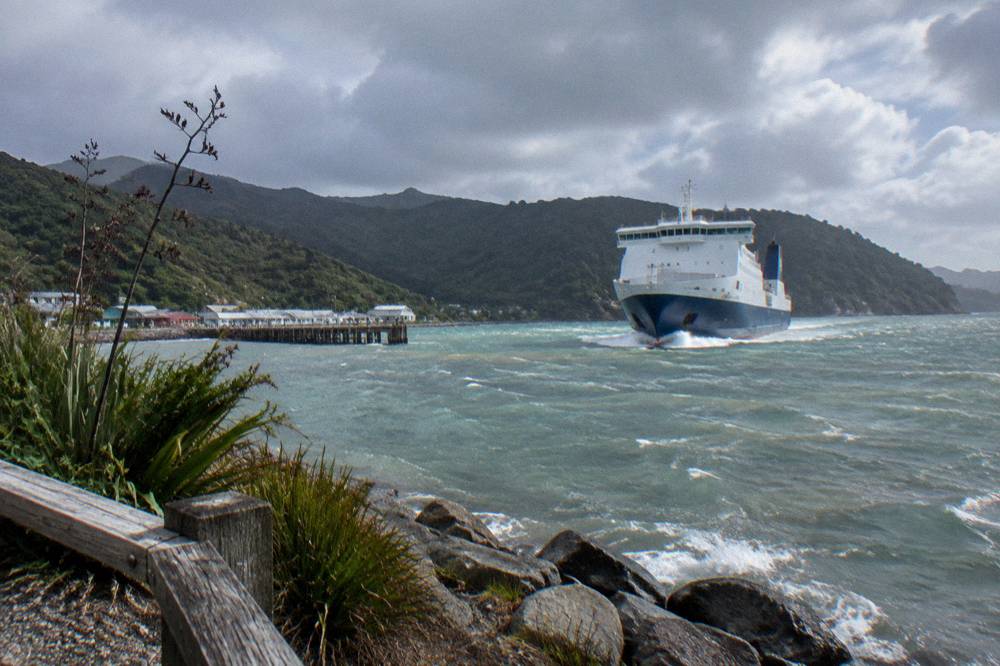
Timing also depends on how you arrive. The ferry and cruise connection guide explains how the timing works. Morning sailings from Wellington reach Picton in time for 1:30pm departures such as the mail run and the seafood cruise, but the early afternoon ferry is too late, so morning cruises call for the very early sailing or an overnight stay in Picton. Cruise ship passengers face their own berth logistics, with ships tying up at Waimahara Wharf in Shakespeare Bay or Waitohi Wharf in the harbour, a distinction the Port Marlborough cruise schedule makes plain.
| The Night Before | The Morning Of | At The Wharf |
|---|---|---|
| Confirm departure point and check-in time | Check weather and sea forecast | Arrive 30 minutes early |
| Check food and drink policy for your cruise | Eat a real breakfast or pack lunch | Buy water or a Keep Cup if needed |
| Charge phone and camera | Pack layers, shoes, hat, sunscreen | Listen to the skipper's safety briefing |
| Read the cancellation terms | Take seasickness remedy if using one | Keep the day bag closed on deck |
Finally, cancellation terms deserve a moment of respect rather than worry. Most cruises here offer free cancellation up to 24 hours before departure, which covers a changed itinerary well. The exceptions are specific: the dolphin swim eco tour operates on a weather and minimum-numbers policy, and every wildlife and route detail on every cruise remains conditional on the day. Packing for the day you might get, not just the day you hope for, is the last piece of preparation. For the full run of options after the wardrobe is sorted, Picton Mail Boat Cruises covers every mail run, wildlife cruise and track-and-boat combination departing the waterfront.
Common Questions About What To Wear On A Marlborough Sounds Cruise
What Should You Wear On A Marlborough Sounds Cruise?
Three layers: a moisture-wicking base, a warm fleece or wool mid layer, and a windproof, showerproof outer shell. Long trousers, and a warm hat from late autumn to early spring. The sheltered Sounds still carry wind chill on open decks.
What Shoes Should You Wear On A Boat Cruise In Picton?
Closed-toe shoes with flat, grippy soles. Two Beachcomber half-day cruises state closed-toe footwear as a requirement, and wet decks, gangplanks and jetty steps make it the right call everywhere in the Sounds.
Do You Need To Bring Food And Drinks On The Cruise?
On most cruises, yes. The Pelorus Mail Boat provides tea and coffee onboard but asks you to bring your own lunch, while Beachcomber cruises exclude food and drink from the ticket; only the Endeavour Inlet cruise with lunch and the Seafood Odyssea tasting build a meal in, so check the booking page for anything else.
Do You Need Swim Gear On A Marlborough Sounds Cruise?
Only for the Swim with Wild Dolphins small-group eco tour. Every other cruise here is a viewing cruise, though a towel is handy in summer for spray and damp seats.
Is Winter Too Cold For A Sounds Cruise?
No. Winter is wetter, with July averaging 207 mm of rain, but operators describe autumn and winter as sometimes delivering the calmest water and more visible marine life. Full waterproofs, insulated layers, hat and gloves make it comfortable.
Should Children Dress Differently For The Cruise?
Children need the same layers as adults plus a full spare outfit in a sealed bag, grippy closed-toe shoes, a strapped sun hat and generous snacks. Most cruises exclude food, so the snack burden sits with the family.