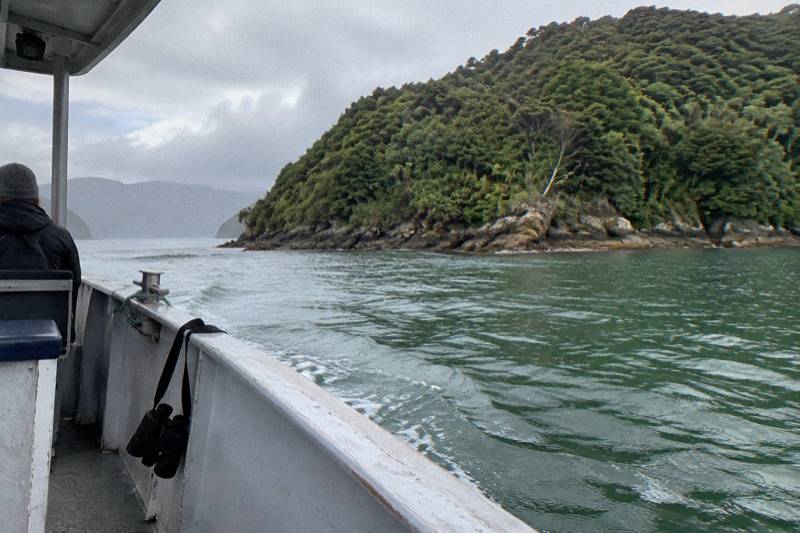
Picton Eco Tours: Wildlife And Sanctuary Cruises
The most concentrated cluster of low-impact wildlife cruises in Picton comes from a single operator, E-Ko Tours, whose five listings all cap groups at 30 travellers or fewer and fold conservation funding into the fare.
Short answer
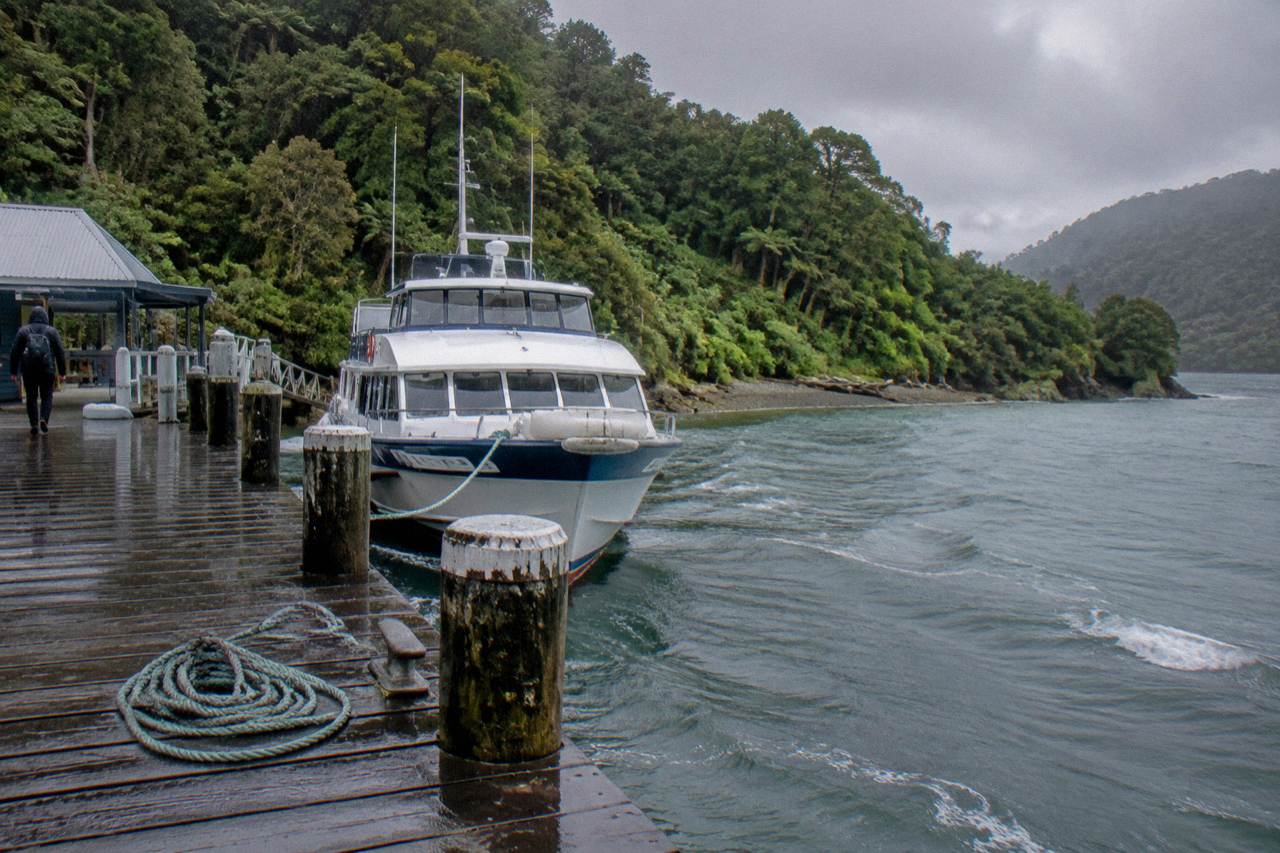
"Picton's eco tours are five E-Ko listings from $100.08 to $211.67 per person: a Motuara Island sanctuary walk with dolphin cruise, a Captain Cook route cruise, a Blumine Island bird-watching trip, a swim-with-dolphins tour, and a Queen Charlotte Track walking day. Four meet at E-Ko Tours, 1 Wellington Street; the track day meets at 1 London Quay.
The Marlborough Sounds is a drowned river valley where the road simply stops, and almost everything worth seeing beyond the township arrives by boat. For travellers who want their time on the water to sit lightly on the place, the eco options cluster tightly: five separate listings from one Picton operator, E-Ko Tours, plus a handful of wildlife-adjacent cruises covered elsewhere. This guide compares what each one actually does, what it costs, where it starts and what it honestly can and cannot promise about wildlife.
What Are The Best Eco Tours In Picton?
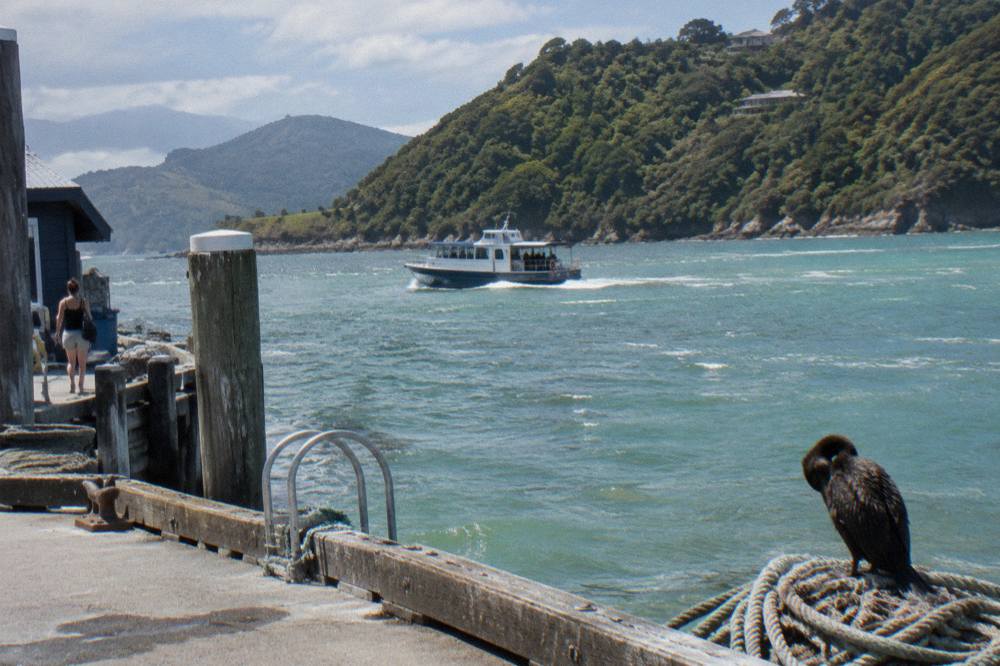
The strongest all-round choice is the Motuara Wildlife Sanctuary Tour and Dolphin Cruise, from $100.08 per person for 4.5 hours, rated 4.7 across 216 reviews, capped at 30 travellers and including the national park fees in the fare. It is the only Picton eco cruise that states a guided nature walk on a pest-free sanctuary island in its itinerary.
That word "eco" earns its keep in different ways on different boats, so it pays to know what you are actually buying. On the E-Ko listings, it means small groups, a guide on board, commentary tied to the Sounds' conservation story, and national park fees included on the tours that land on protected islands. The Motuara tour lands on a DOC scenic reserve with firm rules: no dogs, stay on the tracks, and every bag and boot checked, cleaned and sealed before you step ashore.
The wider Picton fleet, covered in the Picton boat tours overview, runs bigger boats and bigger caps: some scenic cruises carry up to 70 or 99 travellers. That is not a criticism, the large-deck cruise is its own pleasure, but it is a different product. On a 30-person boat the skipper can hold a conversation; on a 99-person boat the commentary becomes a broadcast.
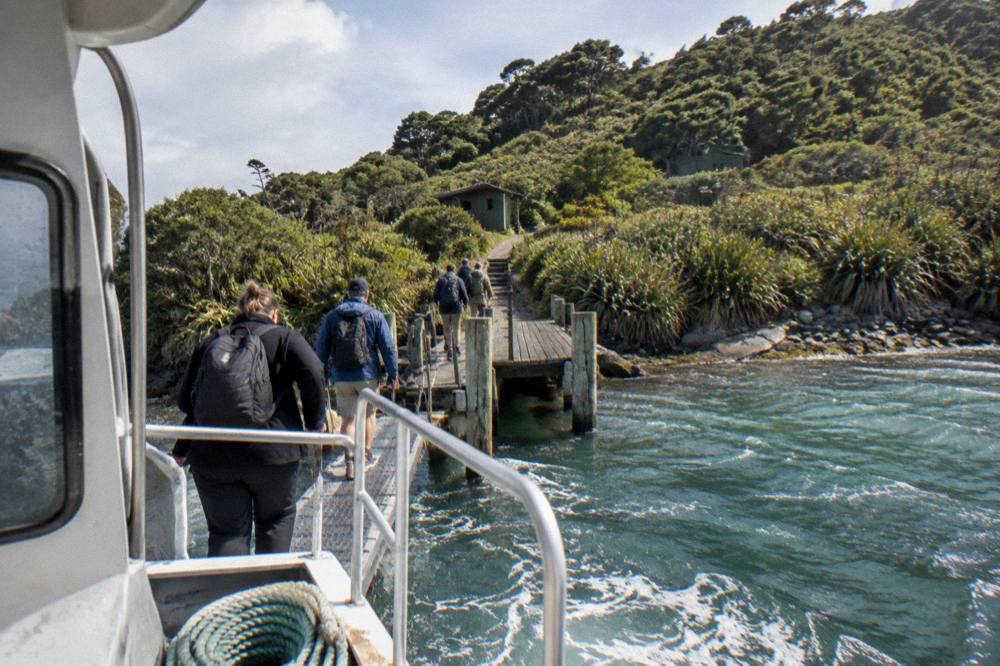
One honest caveat belongs up front. No Picton eco tour can promise a dolphin, a seal or a penguin. Operators report regular encounters, the Sounds genuinely hold dolphins year round, and the marine mammal rules that keep those encounters low-impact are described later in this guide. But any sentence that guarantees a sighting is a sentence to walk away from. The better operators say so themselves, and a listing that promises otherwise is selling something the Sounds cannot deliver on demand.
Which Picton Eco Cruise Lands On Motuara Island?
The Motuara Wildlife Sanctuary Tour and Dolphin Cruise from Picton includes a Motuara Island landing, costs from $100.08 per person, runs for 4.5 hours, and meets at E-Ko Tours, 1 Wellington Street. It combines the island walk with dolphin watching on the crossing. The Captain Cook and Dolphin Cruise follows related waters but does not state a Motuara landing, and the Blumine Island eco-tour lands on Blumine instead.
Motuara is the Sounds' flagship conservation success. DOC records that rats were eradicated from the island in 1992, and the birds that followed, South Island saddleback, South Island robin, yellow-crowned parakeet and bellbird, now make it one of the best places in Marlborough to hear a forest working. The saddleback story is remarkable in itself: today's population of roughly 200 birds descends from just 36 individuals rescued in 1964, translocated again to Motuara in 2009. The island also serves as a creche for rowi kiwi, one of the rarest kiwi species, with fewer than 500 left: chicks are raised on Motuara until they reach about a kilogram, then returned to Okarito. You will not see the kiwi, they are nocturnal and the walk is daytime, but you are walking through their nursery.
The island sits about 32 km from Picton, opposite Ship Cove, and DOC lists cruises as one of the standard ways in, alongside private boats and sea kayaks. There is a lookout at the top of the track, and on a clear day it repays the climb several times over. Two rules matter to every visitor: no dogs are allowed on Motuara, and DOC asks everyone to check, clean and seal gear against pests, soil and seeds before landing. The DOC Motuara Island Scenic Reserve page carries the full biosecurity checklist.
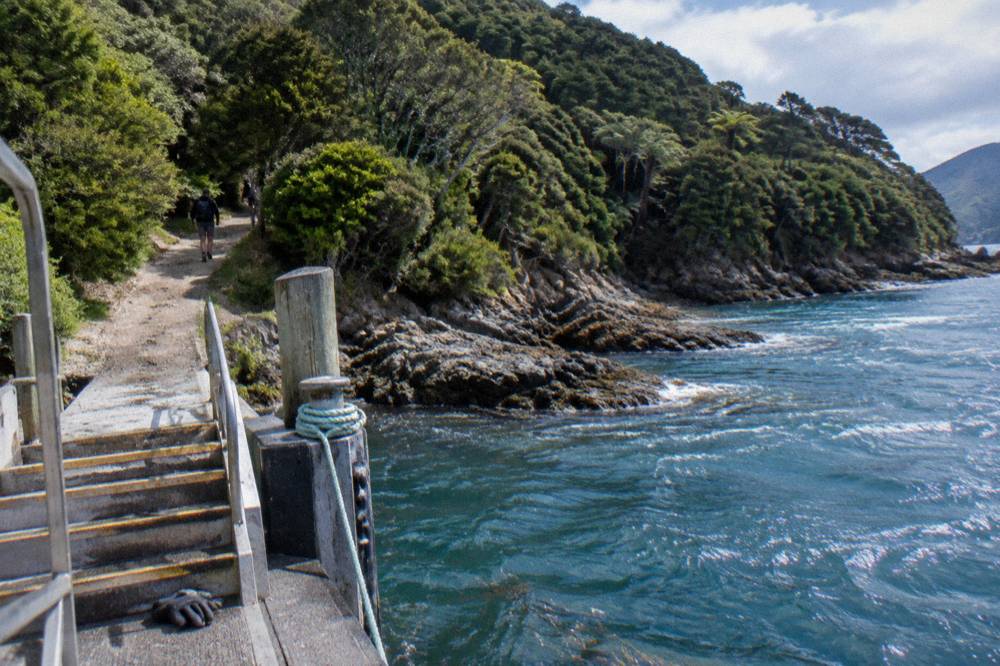
On the water, the same tour doubles as a dolphin cruise, with commentary on board and drinks included. The rating sits at 4.7 across 216 reviews, a pool large enough to mean something. If your interest is specifically the island, the dedicated Motuara Island tour guide compares every cruise that visits it, including larger-boat options from other Picton operators.
The alternative landing is Blumine Island, reached on the Bird Watching and Dolphin Eco-Tour, from $128.84 per person for 3 to 4 hours, rated 4.8 across 56 reviews, capped at 30. Blumine is also pest-free and holds translocated birdlife, and its 4.8 rating from a smaller pool of 56 reviews sits just above the Motuara tour's 4.7 across 216. Choosing between them is really choosing islands: Motuara for the kiwi-creche story and the lookout, Blumine for a slightly shorter day at a slightly higher price.
A note on the family resemblance: the Captain Cook and Dolphin Cruise, from $100.08 per person, 4 hours, 4.7 across 28 reviews, shares the E-Ko meeting point and the 30-traveller cap and includes national park fees, but its itinerary does not state an island landing. It suits a traveller who wants the commentary and the small group without committing to a walk ashore.
What Wildlife Can You See On A Picton Eco Cruise?
Dolphins, fur seals, seabirds and occasionally orca may be seen on Picton eco cruises, and no operator guarantees any of them. The Sounds' dolphin species are dusky, bottlenose, common and orca, with rare Hector's dolphins; orca come near shore more often from October to March, and fur seals gather around Kaipupu. Birdlife on the sanctuary islands includes saddleback, robin, kakariki and bellbird.
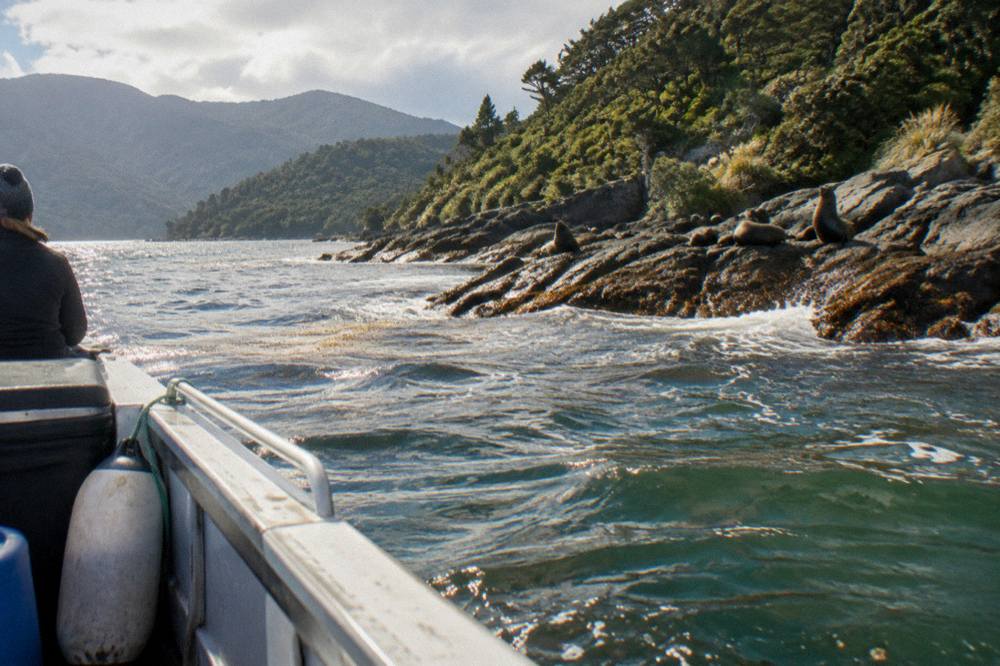
The dolphin species list comes from Marlborough NZ, the regional tourism body, and it matches what the operators themselves describe. Dusky dolphins are the Sounds' regular companions, bottlenose and common dolphins appear too, and orca are the headline visitors, more likely close to shore in the warmer months between October and March. Hector's dolphins are listed as rare. Fur seals haul out around Kaipupu Wildlife Sanctuary near Picton, and seabirds, including little blue penguins, spotted and pied shags, white-fronted terns and the rare king shag, are working birds of the Sounds rather than rarities. The king shag deserves its adjective: the population is estimated at 500 to 600 birds, and Marlborough NZ asks boats to keep at least 100 m from their nesting and roosting sites.
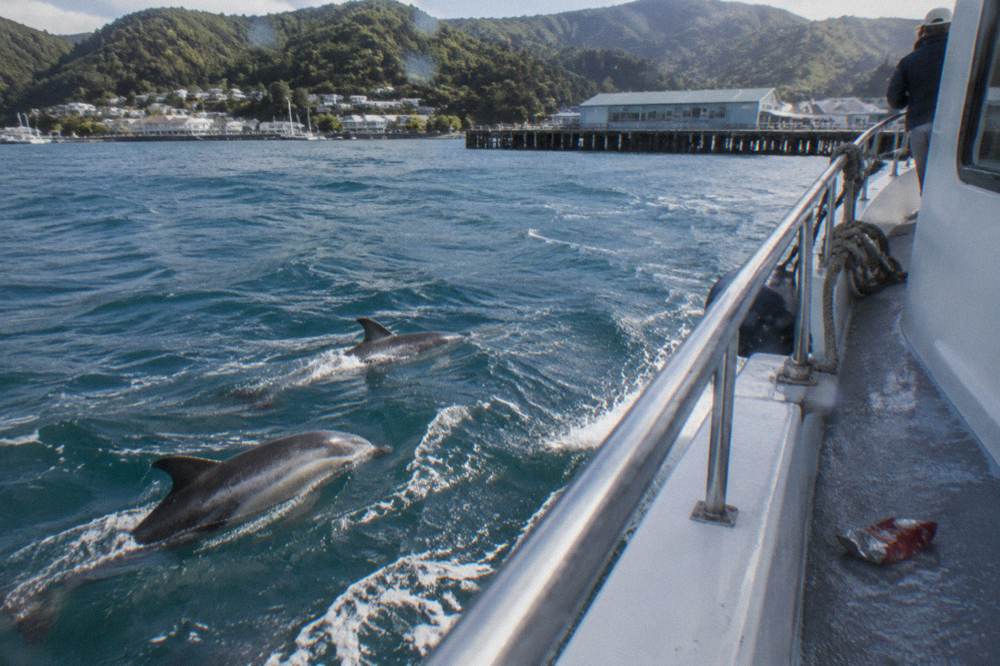
What keeps these encounters genuinely low-impact is a set of national rules, not operator goodwill alone. The DOC summary of the Marine Mammals Protection Regulations sets the framework: vessels travel no faster than idle or no-wake speed within 300 m of any marine mammal, they keep at least 50 m from whales, about 20 m from hauled-out seals, and they approach whales and dolphins from behind and to the side rather than cutting across a group. Swimming with whales is prohibited; swimming with dolphins is allowed except with pods carrying very young calves. Licensed Picton operators work inside these rules, which is why a dolphin encounter often means the boat holding station while the dolphins decide whether to visit. They frequently do.
| Species | Where and when | Likelihood |
|---|---|---|
| Dusky dolphin | Open water through the Sounds, year round | Regularly reported by operators |
| Bottlenose and common dolphin | Throughout the Sounds | May be seen |
| Orca | Near shore, more often October to March | Occasional |
| New Zealand fur seal | Hauled out around Kaipupu | May be seen |
| Little blue penguin, shags, terns | On the water throughout | Regularly seen |
| Saddleback, robin, kakariki, bellbird | Motuara and Blumine islands, on the walk | Resident on the islands |
Visitors who book only for the dolphin shot and nothing else are the ones who leave disappointed. Visitors who come for the place usually go home with photographs they did not expect to take.
Timing shapes the odds more than tour choice does. If your dates are flexible, the warmer stretch from October to March is the stronger window, because that is when orca come nearer to shore, while dusky dolphins, the species operators report most consistently, are a possibility in any month. Hector's dolphins remain genuinely rare, so treat one as a bonus rather than a plan. Choose the departure whose guaranteed elements, the cruise itself, the bush-clad coastline, the commentary and, on two of the tours, the island walk, would satisfy you even on a quiet wildlife day.
On the water, the regulations translate into a particular style of watching. Approaches are made at idle or no-wake speed, from behind and to the side, so the boat never chases a pod; it holds position and lets the dolphins' own curiosity close the distance. Hauled-out seals at Kaipupu are viewed from about 20 m, close enough to study a colony without pressuring it. The king shag is a different proposition: with an estimated 500 to 600 birds alive and a 100 m buffer around nesting and roosting sites, most views are distant, so binoculars or a long lens earn their deck space. Little blue penguins, the shags and white-fronted terns fill the gaps as the everyday sightings.
If your tour includes the island walk, protect that time ashore. Motuara sits about 32 km from Picton, its forest the product of a 1992 rat eradication that has since carried the South Island saddleback population to around 200 birds, and dogs are not allowed. Blumine shares the same sanctuary character, so either landing extends the species list from the water to the bush.
Can You Swim With Wild Dolphins From Picton?
Yes, on one listed tour: the Swim with Wild Dolphins small-group eco tour, from $128.84 per person for 2 to 4 hours, capped at 30 travellers, meeting at E-Ko Tours, 1 Wellington Street. It is rated 4.1 across 40 reviews, and it is the one Picton eco listing with no free-cancellation line: the operator's weather and minimum-number policy applies instead.
Swimming with wild dolphins is the most intimate and the most conditional of the eco options. The tour includes hot and cold drinks and a small group, but the swimming itself depends on finding dolphins, on sea state and on the pods' circumstances. The marine mammal rules ban swimming with dolphin pods that have very young calves, and a responsible skipper will also decline if the dolphins are feeding or resting. That is the deal: you buy the day and the expertise, not the dip.
The review profile reflects that conditionality honestly. At 4.1 across 40 reviews it is the lowest-rated of the E-Ko listings, and the common thread in mixed wildlife-swim reviews everywhere is the day the dolphins did not cooperate. Travellers who would feel short-changed by a boat-only outcome should book the Motuara or Blumine tour instead and treat any dolphin encounter as a bonus from the deck.
Two practical differences deserve attention before booking. First, the cancellation terms: most Picton cruises, including the other E-Ko listings, state free cancellation up to 24 hours before departure, but the swim tour carries only the weather and minimum-number policy, so a change of plans may cost the fare. Second, the duration range: 2 to 4 hours is a wide window because the skipper will stay out longer when a pod is playing and come home earlier when the sea says so. Pack a towel, a warm layer for after the swim, and flexibility.
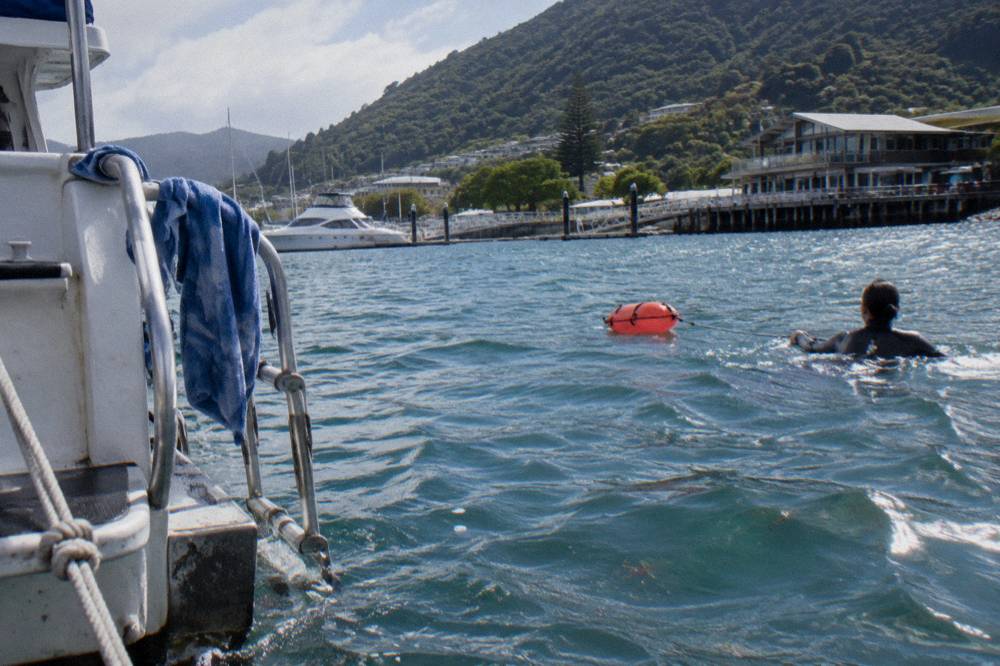
For readers weighing dolphins as the whole point of the day, the dedicated Picton dolphin cruise guide compares every cruise on the water, including the scenic operators where dolphins appear alongside the scenery rather than as the itinerary.
How Do The Picton Eco Tours Compare?
Across the five E-Ko listings, prices run from $100.08 per person on the Motuara, Captain Cook and dolphin-watch products to $128.84 on the Blumine bird tour and the swim tour, and $211.67 on the full-day Queen Charlotte Track walk. Every E-Ko tour departs from 1 Wellington Street, Picton, and every one that carries a stated cap limits groups to 30. All but the swim tour offer free cancellation up to 24 hours.
The table below is the honest side-by-side. Note the review counts: they are the fairest signal in a market where a perfect score from three people means nothing.
| Tour | Duration | From price (USD, per person) | Reviews | Group cap | Island landing |
|---|---|---|---|---|---|
| Motuara Wildlife Sanctuary Tour and Dolphin Cruise | 4.5 hours | $100.08 | 4.7 from 216 | 30 | Yes, Motuara |
| Bird Watching and Dolphin Eco-Tour to Blumine Island | 3 to 4 hours | $128.84 | 4.8 from 56 | 30 | Yes, Blumine |
| Captain Cook and Dolphin Cruise | 4 hours | $100.08 | 4.7 from 28 | 30 | Not stated |
| Swim with Wild Dolphins | 2 to 4 hours | $128.84 | 4.1 from 40 | 30 | No |
| Queen Charlotte Track Ultimate One Day Walk and Cruise | 9 hours 30 minutes | $211.67 | 11 reviews, too few for a rating claim | 30 | Yes, Motuara (about 1 hour) |
The fifth listing deserves its own sentence rather than a row's silence. The Queen Charlotte Track Ultimate One Day Walk and Cruise, from $211.67, is the eco-tour format stretched to a full walking day: 9 hours 30 minutes door to door, boat-assisted, with meals arranged by the operator. It shares DNA with the boat-and-walk products compared in the Queen Charlotte Track boat and walk guide, which covers the cheaper self-guided versions from $67.00. As an eco choice it is about landscape and legs rather than wildlife: the track itself is 73.5 km one way from Ship Cove to Anakiwa, normally walked over 3 to 5 days, and this tour compresses a highlight slice of it into a single outing.
Choosing among them comes down to three questions. Do you want to step ashore on a pest-free island, which means Motuara or Blumine? Do you want the water to be the whole story, which points to the Captain Cook cruise? And is swimming the point, which means accepting the swim tour's stricter terms and lower rating? Budget barely separates the first four; the walk day is the outlier on price and on review depth. A family with teenagers could split the difference on the Motuara Wildlife Sanctuary Tour and Dolphin Cruise: the keen walkers take the island track while the would-be swimmers watch the dolphins from the boat.
What Should You Know Before Booking An Eco Tour In Picton?
All the eco tours covered here leave from the Picton waterfront at 1 Wellington Street, a two-minute walk from the town centre, with none offering hotel pickup. Prices are per person in USD and free cancellation up to 24 hours applies to every cruise except the dolphin swim. Check, clean and seal your gear before any island landing, as rangers may inspect bags and footwear on pest-free islands such as Motuara.
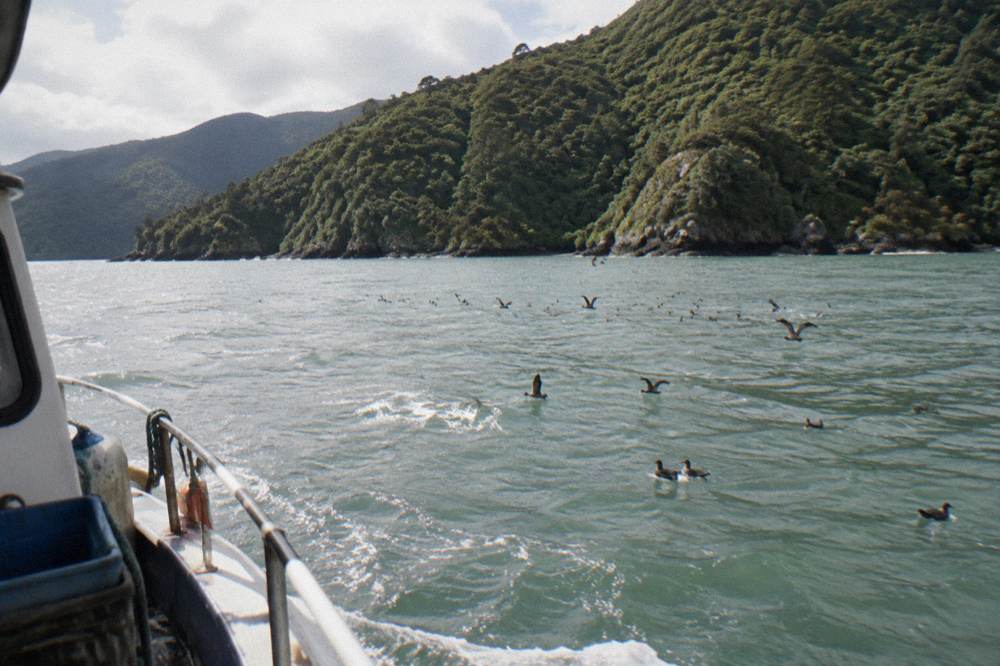
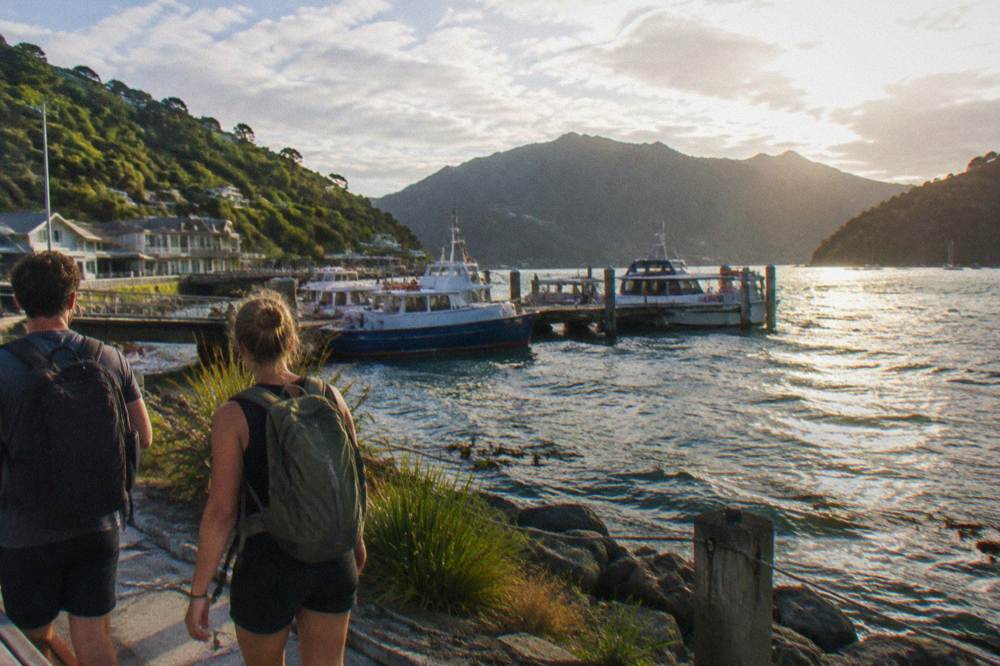
The meeting point is genuinely easy. E-Ko Tours operates from 1 Wellington Street on the Picton waterfront, and visitors can follow the blue line from the Visitor Information Centre to reach it. Beachcomber, Cougar Line and the other operators sit around the corner on London Quay, so everything is walkable from the town; the booking page does not mention hotel pickup, so check it before counting on a ride. For readers connecting through Wellington, the ferry picture matters: the crossing takes 3.5 hours, and the daytime arrivals reach Picton too late for a morning cruise, so an overnight in Picton is the practical plan, as the Wellington to Picton ferry guide explains.
Timing and seasonality are less obvious than they look. Summer, from October, is peak season for a reason, but the operators themselves describe autumn and winter as sometimes the best conditions, with glassy water and more marine life, and the year-round cruises simply keep running with fewer boats. February is Picton's driest month at 65 mm of rain against July's 207 mm, but the Sounds' sheltered geometry means a wet-forecast day is often a calm-water day in the inner bays. The fuller picture, including the wind notes, is in the best time for a Marlborough Sounds cruise guide.
| Practical detail | What applies |
|---|---|
| Meeting point | E-Ko Tours, 1 Wellington Street, Picton waterfront |
| Hotel pickup | Not included on any eco listing; the waterfront is walkable |
| Food | No meal included on any E-Ko tour; bring your own lunch |
| Drinks | Included on the Motuara tour and the swim tour |
| Cancellation | Free up to 24 hours on all but the dolphin swim |
| Island biosecurity | Check, clean and seal gear before landing |
| Wildlife | May be seen, never guaranteed |
Gear matters more than most first-time visitors expect. Even in summer the Sounds' water is cool, and the wind on an open deck turns a warm afternoon cold within an hour; the detailed packing advice is in what to wear on a Marlborough Sounds cruise. For the island walks, wear shoes you can climb a grassy track in, and sort your biosecurity the night before: brushed boots, sealed food, no fresh seeds in your pack. DOC's check, clean and seal rule exists because a single rat or seed can undo three decades of island recovery, and the sanctuaries visitors travel to see are only as safe as the cleanest pair of shoes that landed that morning.
Finally, book with the right expectations. An eco tour in Picton buys a small group, a guide who knows the place, park fees folded into the fare on the island landings, and a genuine chance of dolphins alongside the certainty of a spectacular drowned-valley coastline. It does not buy a sighting. The travellers who rate these tours highest are the ones who arrive for the Sounds and let the wildlife be the upside.
Whether the draw is a sanctuary island, a bird-filled shoreline or a swim alongside a wild pod, Picton Mail Boat Cruises brings the water-based options together in one place, with the figures you need before you commit a day.
How Does Wildlife Etiquette Shape An Eco Tour?
The rules are the tour: within 300 m of any marine mammal the boat drops to idle or no-wake speed, whales get at least 50 m of space, 200 m if there is a mother and calf, and nobody swims with whales at all. Swimming with dolphins is allowed only when a pod has no very young calves, which is why a good skipper will sometimes keep everyone on the boat. These regulations, from the Marine Mammals Protection Regulations 1992, are what separates a genuine eco operator from a chase boat.
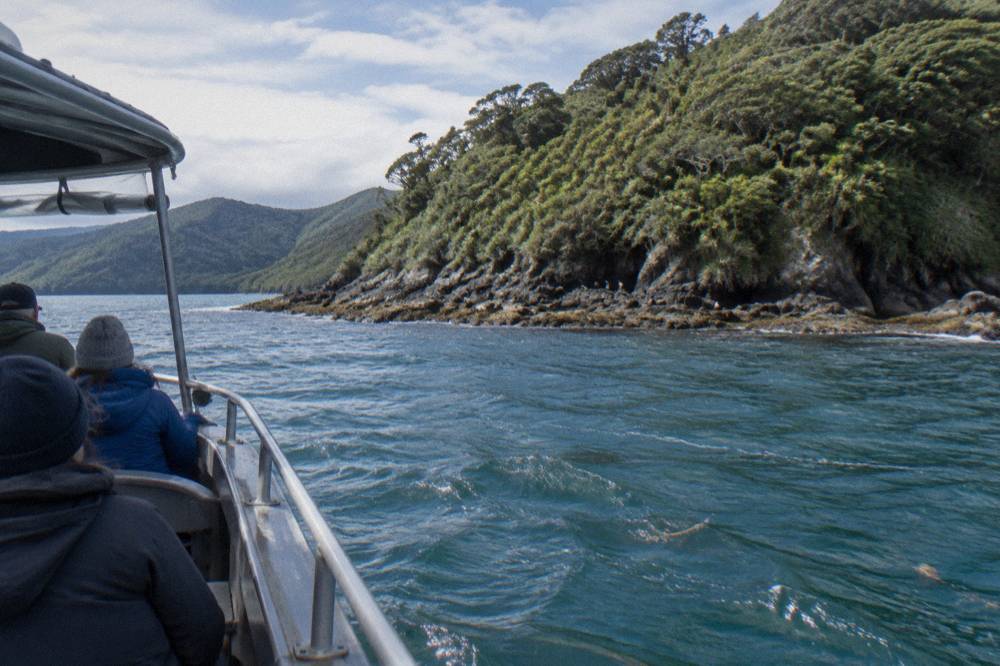
You will feel the rules before you can recite them. The skipper spots a pod ahead, eases the throttle back, and the engine falls to a hum as you close the final 300 m. Boats approach dolphins from behind and to the side, never circling the group or cutting through it, and when leaving, speed stays at or below 10 knots until that 300 m distance is open water again. None of this is optional courtesy. It is law, and licensed operators build their whole day around it.
The swimming rules deserve a closer read if that is the experience you are after. On the swim-with-dolphins tour, wetsuits, mask, snorkel, booties and hoods come with the fare, and the minimum age is 12 with children accompanied by an adult. But the water entry happens only if the pod is right for it, and pods with very young calves are off limits.
Seals and sea lions hauled out on rocks get 20 m of clearance. Near king shag nesting sites, keep at least 100 m, and with only 500 to 600 of those birds left, that distance matters more than most passengers realise.
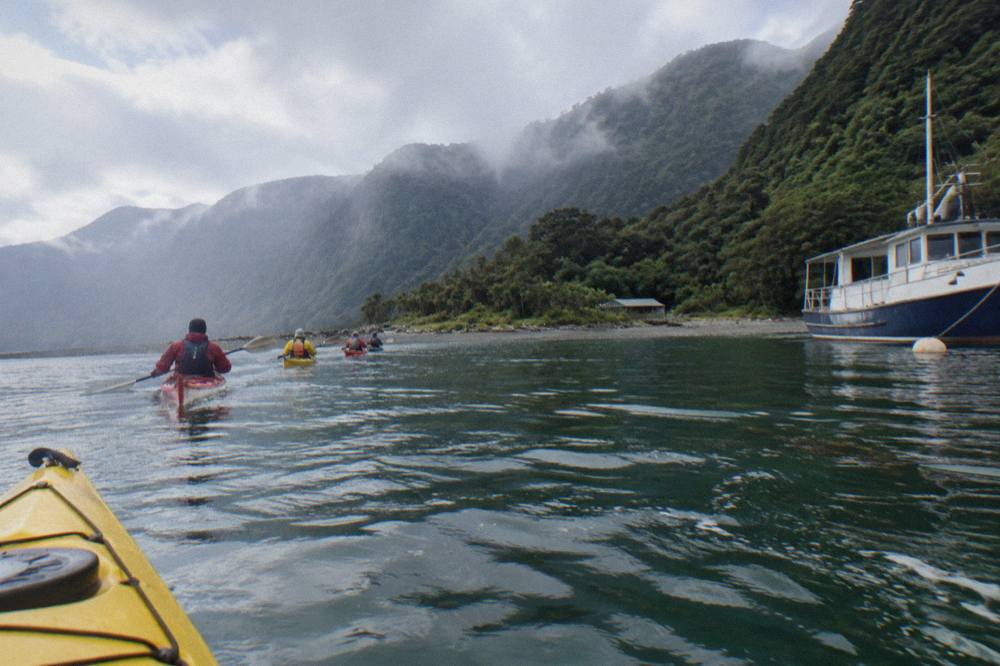
This is also why no honest operator guarantees a sighting. The same rules that protect the animals prevent boats from harassing a pod into a performance. The Motuara tour's free cancellation, up to 24 hours before, gives you an out if the forecast looks grim, but it cannot conjure a dolphin. Wild animals on their own terms: that is the whole point.
Common Questions About Picton Eco Tours
What Are The Best Eco Tours In Picton?
The five E-Ko Tours listings are the core: the Motuara Wildlife Sanctuary Tour and Dolphin Cruise (from $100.08, 4.7 from 216 reviews), the Blumine Island bird tour (from $128.84, 4.8 from 56), the Captain Cook and Dolphin Cruise (from $100.08, 4.7 from 28), the dolphin swim (from $128.84, 4.1 from 40) and the full-day Queen Charlotte Track walk (from $211.67, 11 reviews). All are capped at 30 travellers.
Which Picton Eco Cruise Lands On Motuara Island?
The Motuara Wildlife Sanctuary Tour and Dolphin Cruise states a Motuara Island landing and a guided nature walk, from $100.08 per person for 4.5 hours. The Blumine Island eco-tour lands on Blumine instead. The Captain Cook cruise does not state an island landing.
What Wildlife Can You See On A Picton Eco Cruise?
Dusky, bottlenose and common dolphins, orca (more often near shore from October to March), rare Hector's dolphins, fur seals, little blue penguins, shags and terns may be seen. On Motuara and Blumine, saddleback, robin, kakariki and bellbird are resident. No sighting is guaranteed.
Can You Swim With Wild Dolphins From Picton?
Yes, on the small-group swim tour from $128.84 per person for 2 to 4 hours. The swim depends on dolphins being found and on the pods' circumstances, pods with very young calves are protected by law. Free cancellation is not stated for this cruise, which is subject only to weather and minimum-number policies.
How Much Do Picton Eco Tours Cost?
From $100.08 per person for the Motuara and Captain Cook cruises, $128.84 for the Blumine bird tour and the dolphin swim, and $211.67 for the full-day track walk. All prices are per person in USD; lunch is not included on any of them.
Where Do Picton Eco Tours Depart From?
All five E-Ko listings meet at E-Ko Tours, 1 Wellington Street on the Picton waterfront, a short walk from the town centre. No eco tour includes hotel pickup. Arrive early enough to sort biosecurity for island landings.