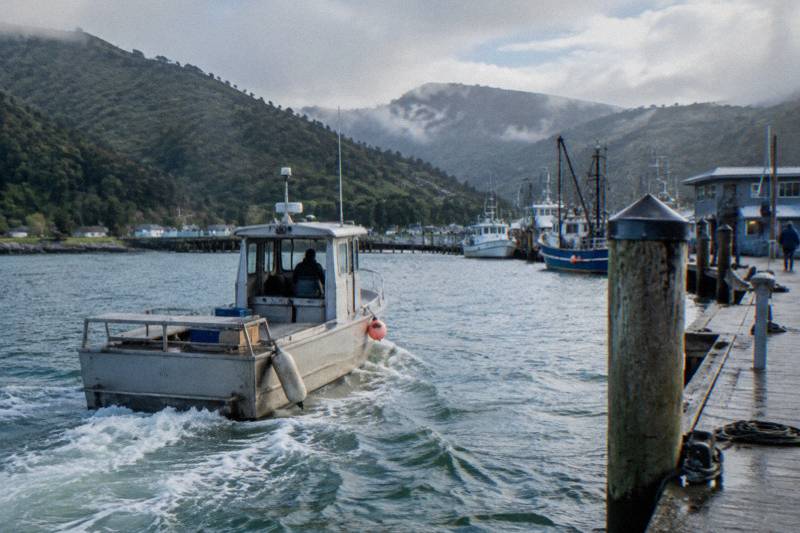
Havelock: At The Head Of Pelorus Sound
Havelock sits at the head of Pelorus Sound and works as a real town with a real job: it is where the Pelorus Mail Boat leaves from, three days a week, carrying post and supplies to bays that have no road. This guide covers what the town offers, what the mail run costs, and how to fold it into a Picton based trip.
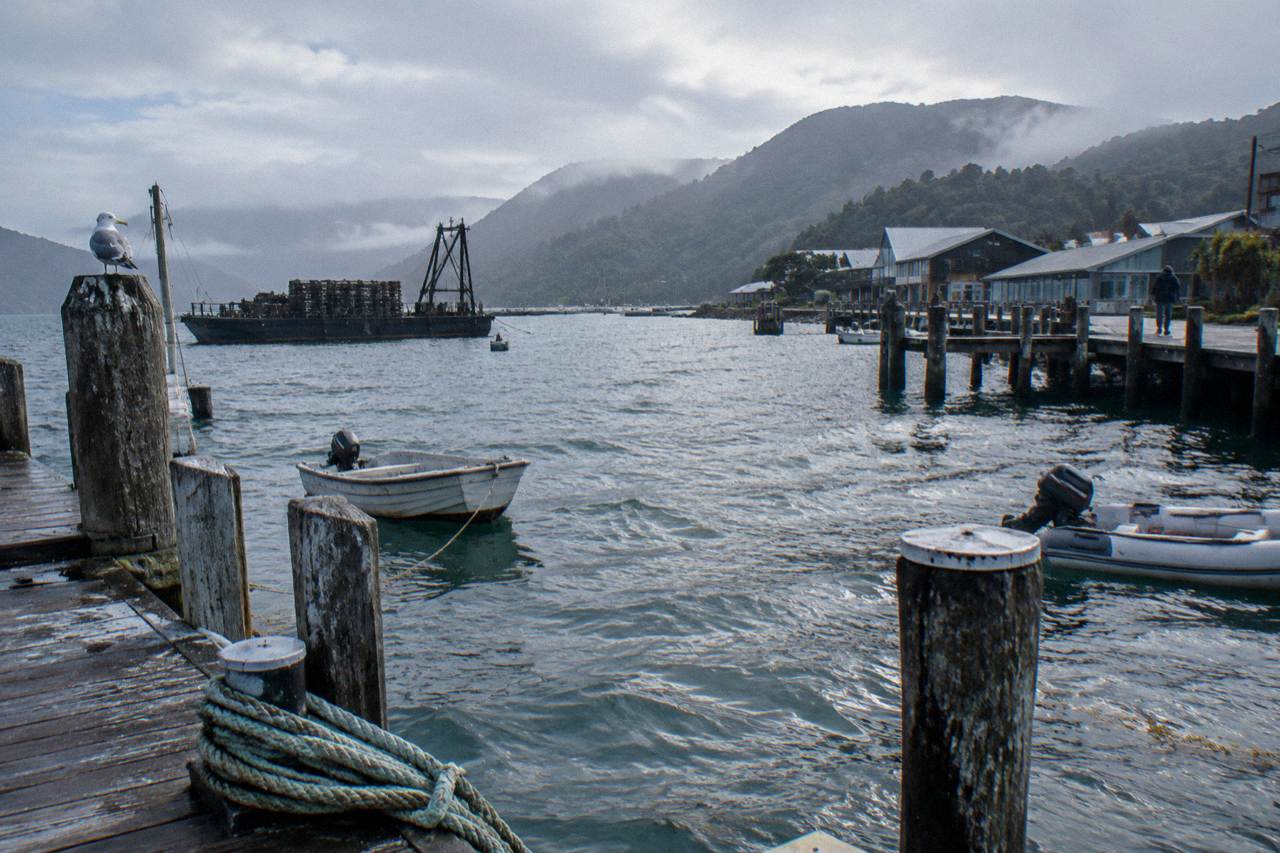
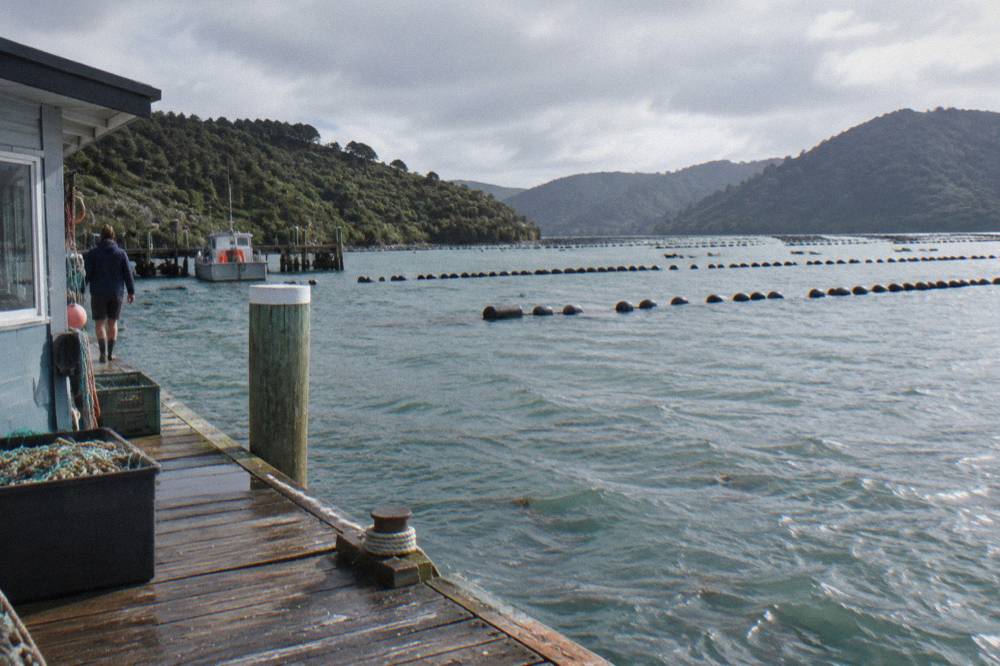
Havelock sits at the head of Pelorus Sound and is the departure town for the Pelorus Mail Boat. On its run out through the Sound the boat passes the mussel farms and stops to explain how the local industry works. The town itself is small, a strip of cafes, a bakery and a small supermarket around a marina, which is exactly the right shape for a place whose main visitor business is getting people out onto the water. It is not Picton, and that is the point.
The two Sounds towns divide the Marlborough Sounds neatly between them. Picton, at the head of Queen Charlotte Sound, sends boats to Ship Cove, Motuara Island and the Queen Charlotte Track. Havelock, at the head of Pelorus Sound, sends its mail boat up a different set of bays with farm deliveries that no day cruise from Picton reaches. If your trip is built around the mail run, Havelock is not a side trip, it is the departure point, and the operator's own schedule shapes which days work.
This guide covers what Havelock is, how the mail run works from the town, what it costs, what the history behind the service is, and how to plan a visit that pairs it with the Picton side of the Sounds. Prices come from the current tour records; schedules come from the operator's own pages. Everything that varies, routes, wildlife, timing, is written here as varying, because it does. To see how the mail run fits into the wider waterway, the Pelorus Sound geography and visitor guide lays out the full shape of the inlet, its bays, and the route out toward the open coast.
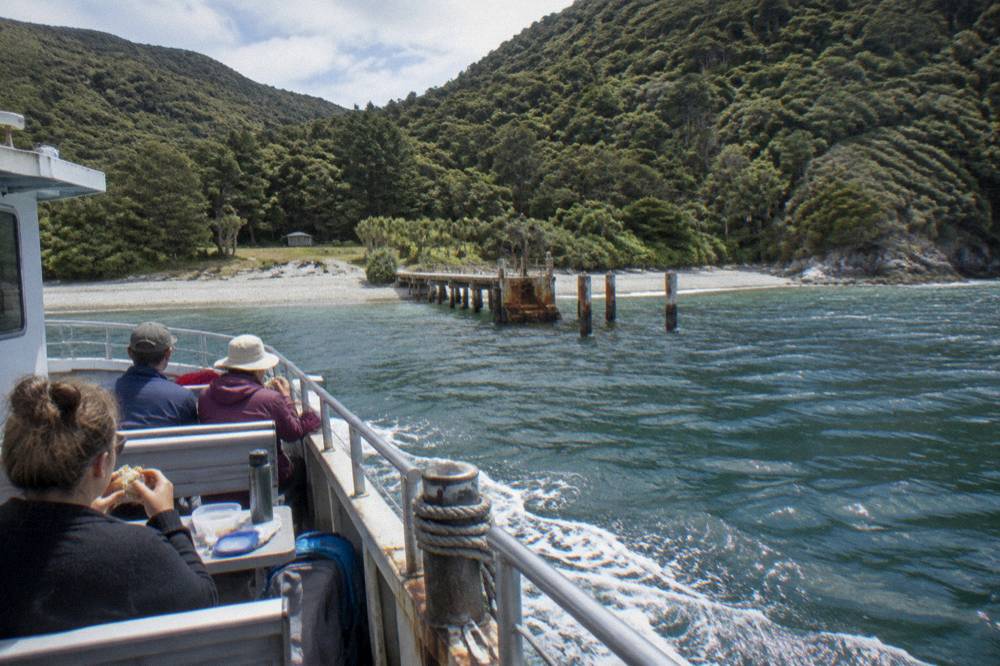
What Is Havelock New Zealand Known For?
Havelock is a small town at the head of Pelorus Sound, the northernmost of the main Marlborough Sounds. Greenshell mussels are farmed on longlines in the sheltered waters of Pelorus and Kenepuru, and the Pelorus Mail Boat has run from the town's wharf since 1919, while Havelock serves as the quieter, western gateway to the Sounds compared with Picton. Its permanent population is small and its visitor economy is built around the water.
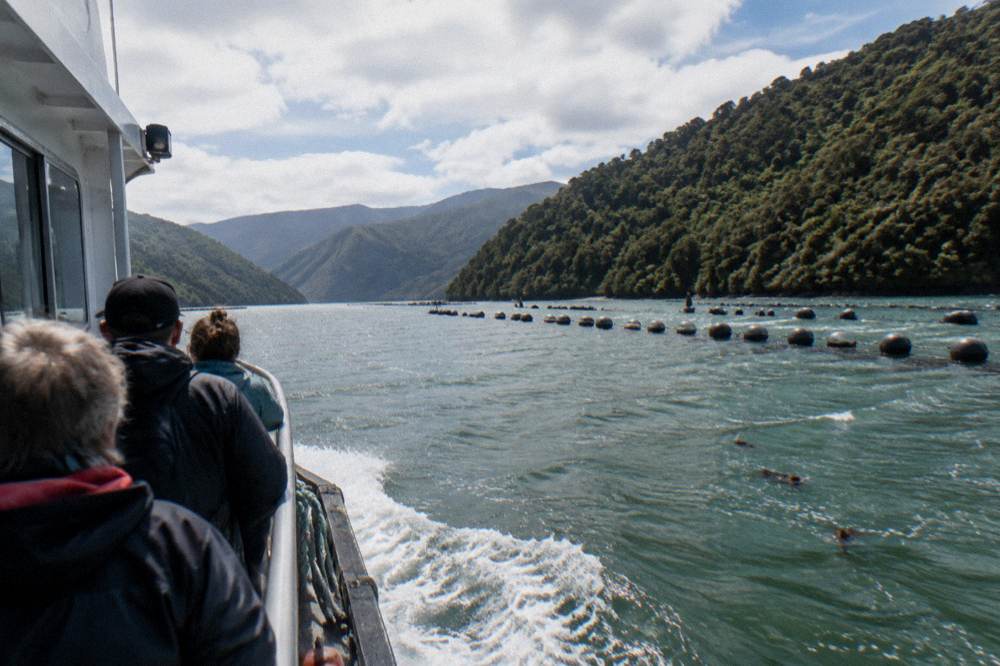
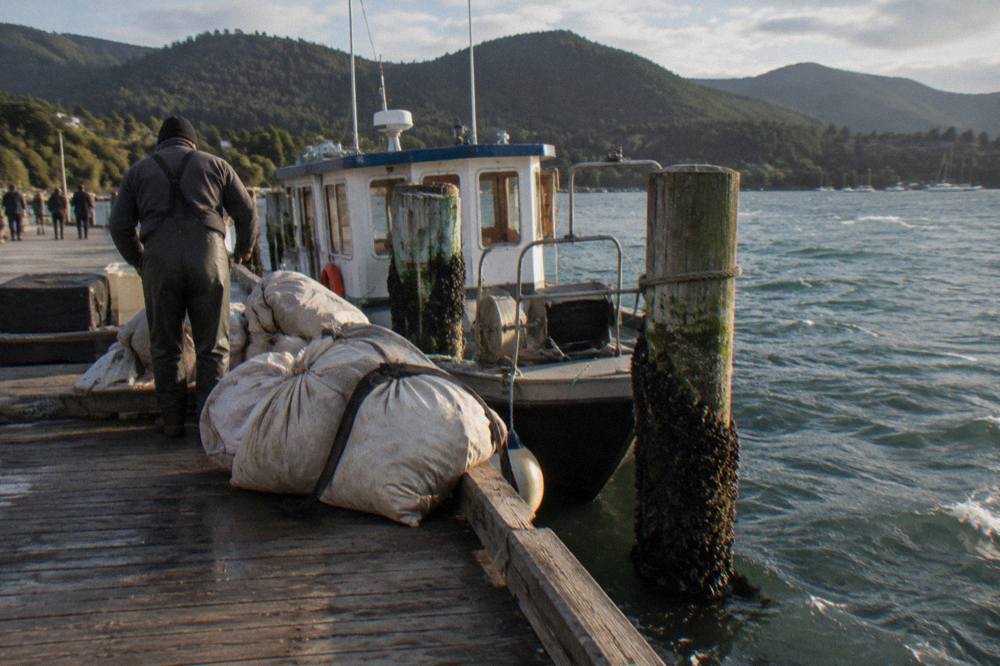
The mussel industry is the reason many people have heard of the name. Farms thread through Pelorus and Kenepuru Sounds, and the mail boat itself passes working patches of them on most runs, pausing while the skipper explains how the local industry operates. What the town does not have, and what no visitor should expect, is a museum scale production story or farm landings: the mail run's mussel stop is a commentary stop on the water, not a shore visit. The mussels you eat in Havelock come from the surrounding farms, but the town's food scene is a handful of cafes rather than a dining district.
“Very nice and informative crew. Food was great (green mussels and grilled salmon). Beautiful weather. Saw mussel farms and a pleasant cruise around the bay. Recommended for a nice outing.”
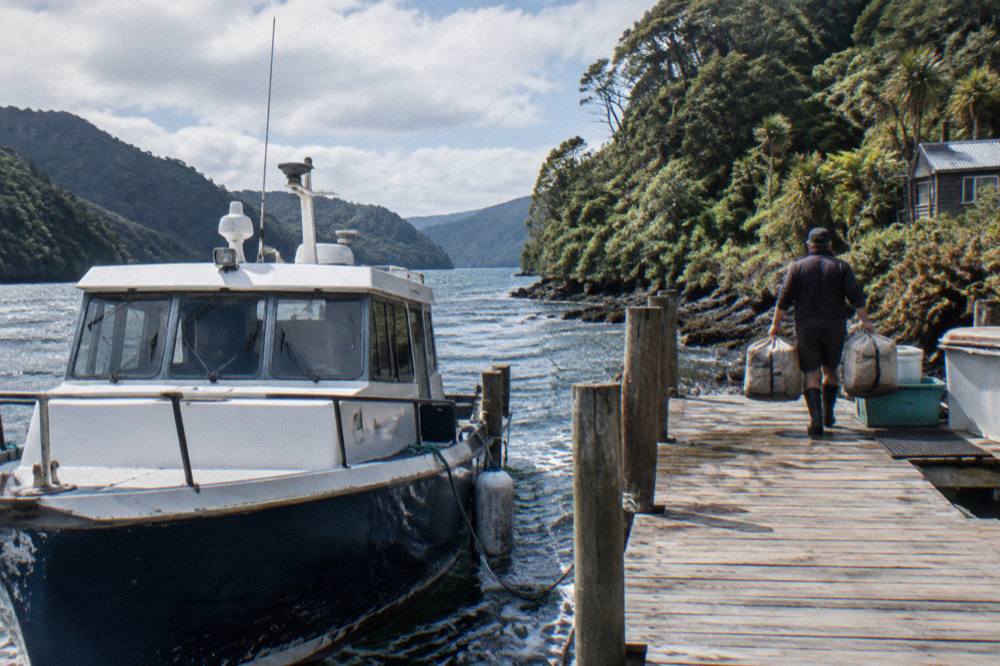
The second identity is the mail run itself. The service traces to 1919, when a 17 year old named Eric Johnson started delivering to the isolated bays of Pelorus Sound with an 8.8 metre kauri boat called Mahau, and the Johnson family ran it for more than fifty years. The business was bought by the Marlborough Tour Company in 2019, and it still carries mail, freight and supplies to residents who have no road access. That working purpose is what separates it from a scenic cruise, and it is the reason no two days run exactly alike: the deliveries set the route.
Third, Havelock is a practical base. The town has cafes, a bakery and a small supermarket, per the operator's own notes to passengers, which matters because the mail run asks you to bring your own lunch. There is pay and display parking at the marina. It is a town you visit in order to go somewhere, and it handles that job well.
How Does The Pelorus Mail Boat Work From Havelock?
The Pelorus Mail Boat departs Havelock Marina on Monday, Wednesday and Friday at 10am, with check-in from 9.30am, and returns mid to late afternoon depending on deliveries, tide and wildlife. The cruise runs 5 hours per its listing, carries a maximum of 60 travellers, and includes a guide, commentary, free tea, coffee and hot water, with two toilets on board. You bring your own lunch.
The schedule is the first thing to plan around. Three sailing days a week means a Tuesday visit to Havelock produces no mail run, only the town itself. The operator's FAQ describes the Sounds as sheltered and says it is rare for the boat not to operate, with a full refund or an alternate date offered on the rare weather cancellation, and bookings can be changed up to 24 hours before departure. Those are the operator's stated terms, and they are generous for a weather dependent product, but the underlying fact remains: a small boat delivering to remote bays adjusts to conditions.
The route changes by day; check the live booking page for details. Each sailing day follows a different bay sequence, which reflects where deliveries are actually needed, and the timing of the return varies for the same reason. Passengers should treat the afternoon return as flexible, not as a connection to build a tight schedule around. Free cancellation per the booking terms applies up to 24 hours before.
For travellers coming from outside the region, the practical pattern is to overnight in Havelock or nearby the night before a sailing, buy lunch from the bakery or supermarket in the morning, and be at the marina for 9.30am check-in. Parking at the marina is pay and display. The boat has partial wheelchair access, with a stated maximum of two wheelchairs, a detail worth raising directly with the operator when booking if it applies to your group.
| Detail | What the operator and booking page state |
|---|---|
| Departure days | Monday, Wednesday and Friday |
| Departure time | 10am, check-in from 9.30am |
| Return | Between about 3.30pm and 4.30pm, varies with deliveries, tide and wildlife |
| Meeting point | Pelorus Mail Boat Ltd, Pier B, Havelock Marina, Havelock |
| Group size | Maximum 60 travellers |
| On board | Guide, commentary, free tea, coffee and hot water, two toilets |
| Not included | Food and drinks unless specified; bring a packed lunch |
| Booking price basis | From $83.40 per person |
The mail run is the town's signature product, but it is not the only way to see the Sounds, and for some travellers it is not the right one. The comparison worth making is with the Picton departures covered in the Pelorus Mail Boat versus Picton Mail Boat guide, which runs the two services side by side on price, duration and route. If your whole trip is anchored in Picton, the Picton mail boat cruise guide covers the Queen Charlotte Sound alternative that leaves from London Quay.
The selection above spans the two mail runs and a boat assisted walk, which is roughly the shape of most Marlborough Sounds itineraries: one working delivery cruise, one Queen Charlotte Sound cruise, and one day that pairs a boat with a section of track. Between them they cover from $67.00 to $91.00 per person, a narrower band than many visitors expect.
What Does The Pelorus Mail Boat Cost And What Do You Get?
The Pelorus Mail Boat cruise is listed from $83.40 per person for a 5 to 10 hour day, rated 4.8 across 336 reviews, with a guide and commentary included, drinks of tea and coffee included, and food not included. By comparison the Picton based Queen Charlotte Sound Mail Boat Cruise is from $91.00 per person for a 4 hour half day, rated 4.7 across 611 reviews.
Both are mail runs, and the difference is scale. Neither includes a meal. The Havelock operator supplies tea, coffee and hot water and asks passengers to bring lunch; the Picton run lists a Keep Cup for onboard tea and coffee as a $6 purchase, an exclusion, not an inclusion.
“The highlight of the tour is encountering 3 groups of dolphins on this tour, very pleasant surprise. There are times it's a bit slow and dull but for the price, it's very worthwhile.”
Neither run promises a landing at Ship Cove or Motuara Island. Those are separate cruises from Picton, and conflating them is the single most common planning error in the Sounds. The mail runs are about the water, the bays and the delivery stops, not the famous landing points.
| Cruise | Start town | Duration | Price per person | Rating | Reviews |
|---|---|---|---|---|---|
| Full Day Iconic Mail Boat Cruise | Havelock | 5 hours | from $83.40 | 4.8 | 336 |
| Queen Charlotte Sound Mail Boat Cruise | Picton | 4 hours | from $91.00 | 4.7 | 611 |
| 3.5 Hour Marlborough Sounds Delivery Cruise | Picton | 3 hours 30 minutes | from $74.77 | 4.5 | 76 |
| Queen Charlotte Track: Cruise and Self-Guided Hike | Picton | 8.5 hours | from $67.00 | 4.8 | 424 |
The third row, a Cougar Line delivery cruise from Picton, is the short-form alternative for travellers who want the mail boat flavour without the full day, and the fourth is the value pick among the longer products: at from $67.00 per person with 424 reviews at 4.8, the cruise and hike combination costs less than either mail run while filling a full day. These are all per person from prices, and the final figure is confirmed at booking.
Booking early matters more for the Havelock run than for most Sounds products, simply because it sails three days a week instead of six. A missed Monday means waiting until Wednesday. Free cancellation up to 24 hours before, per the booking terms, makes an early reservation low risk.
Where Is Havelock Compared With Picton?
The Pelorus Mail Boat starts only from Havelock and never from Picton, and no Picton cruise reaches the Pelorus bay system.
The distinction matters because searches blur it. "Marlborough Sounds cruise" returns products from both towns, and a traveller who books the Havelock run while staying in Picton has committed to a repositioning journey on a 9.30am check-in morning.
The answer is geography, not quality. Queen Charlotte Sound runs north east from Picton toward Tory Channel and Ship Cove. Pelorus Sound runs north from Havelock toward the outer Sounds and Kenepuru. Day cruises from Picton and Havelock each stay in their own sound. A full Sounds trip uses both towns, and the Picton to Havelock planning guide covers how to sequence them.
On the ground, Havelock is smaller and quieter than Picton in every dimension: fewer cafes, fewer accommodation options, fewer boats, fewer people. For some travellers that is the appeal. The town's waterfront is a short walk end to end, the marina is the centre of activity on sailing mornings, and the pace suits a night before or after a mail run rather than a multi night stay unless slow travel is the goal.
| Havelock | Picton | |
|---|---|---|
| Sound | Pelorus Sound | Queen Charlotte Sound |
| Signature boat product | Full Day Iconic Mail Boat Cruise, from $83.40 | Queen Charlotte Sound Mail Boat Cruise, from $91.00 |
| Departure frequency of the mail run | Monday, Wednesday and Friday | Summer Monday to Saturday, winter Monday, Wednesday, Friday |
| Town size and services | Cafes, bakery, small supermarket | Full town centre, ferry terminal, wider accommodation |
| Other water products from town | Sunday Postie's cruise from January 2027 | Ship Cove, Motuara, dolphin, track and seafood cruises |
Why Does A Mail Boat Run From Havelock At All?
A mail boat runs from Havelock because the bays of Pelorus Sound have never had road access: residents on farms and homesteads scattered across the inner Sounds needed post, freight and supplies delivered by water, and a private operator has held that contract, under various owners, since 1919, when Eric Johnson began the run at 17 with the kauri boat Mahau. The service predates him by decades in various forms.
The recorded chain runs back further than the 1919 start. The 1864 Wakamarina goldrush created demand for a proper Picton to Havelock mail connection, served first by whaleboats and then by the SS Torea. Homewood Post Office opened in September 1869 with delivery by government steamer. In 1918 the government put the mail service out to private operators, and Johnson's run the following year became the service recognisable today. His family operated it for more than fifty years, it was sold in 1973, and the Marlborough Tour Company bought the business in 2019. The full history is on the operator's own history page, and a book, Time and Tide by Lorain Day, 2017, covers the family decades.
The Picton side has a parallel story. Beachcomber Cruises describes itself as the only official licensed New Zealand Post Rural Delivery Service by water in Queen Charlotte Sound, and says mail has been delivered by boat there for over 150 years. The two runs are siblings in function but separate businesses on separate Sounds, which is the honest framing of every comparison between them.
What the history explains for a visitor is the character of the day. Passengers watch a working errand happen around them. The skipper's commentary carries that context, and the mussel industry stop, where the crew explains how the local farming works, is part of the same story of the Sounds as a working landscape rather than a backdrop.
“Awesome experience, beautiful scenery, tour guide knowledge was an amazing insight. Really enjoyable despite the weather not being the best!”
What Wildlife Can You See Around Havelock?
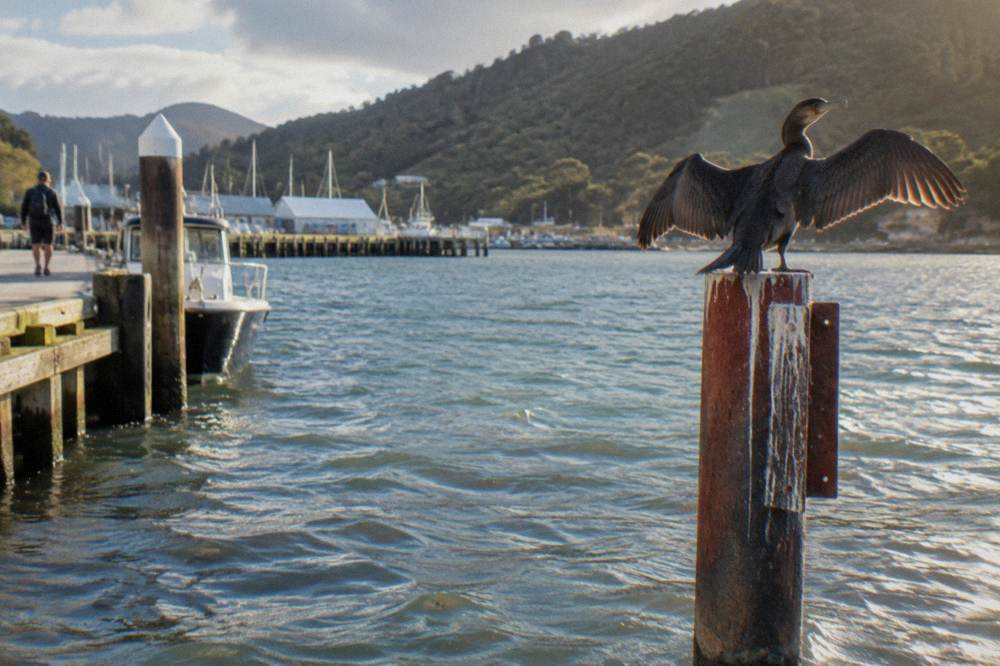
Around Havelock and Pelorus Sound you may see little blue penguins, white-fronted terns, fluttering shearwaters, spotted and pied shags, rare king shags, fur seals, stingrays, and dusky, common and bottlenose dolphins, with very occasional orca, per the operator's wildlife notes. No sighting is ever guaranteed, and the species list is a may-see record, not a promise or a schedule.
The operator's own FAQ splits its wildlife into species the boat regularly comes across and species it may also see, and that split is worth preserving when planning. Dolphins are the headline may-see, and orca are described as very occasional visitors.
Across the wider Sounds, orca come near shore from October to March per Marlborough NZ, and fur seals gather especially around Kaipupu Wildlife Sanctuary near Picton. The Sounds' full dolphin list per the same source is dusky, bottlenose, common and orca, with rare Hector's dolphins. For more on the Picton side of the wildlife picture, see the Marlborough Sounds wildlife cruise guide.
Rules protect all of it. Under the marine mammal protection rules summarised by the Department of Conservation, vessels travel no faster than idle or no-wake speed within 300 m of any marine mammal, keep at least 50 m from whales, stay about 20 m from hauled-out seals, and never swim with whales or with dolphin pods that have very young calves. Commercial operators follow these rules, which is why a dolphin sighting means the boat slowing and holding course, not pursuing.
The operator also notes, honestly in both directions, that autumn and winter can produce some of the year's best conditions, with glassy calm water and more marine life. That is an operator's seasonal observation, not a guarantee, and it pairs with the rainfall record for the region, which shows Picton averaging 1463 mm a year with July the wettest month at 207 mm and February the driest at 65 mm, per the NIWA Marlborough climatology. Shoulder season trips trade warmer weather for quieter water and smaller crowds.
When Is The Best Time To Visit Havelock?
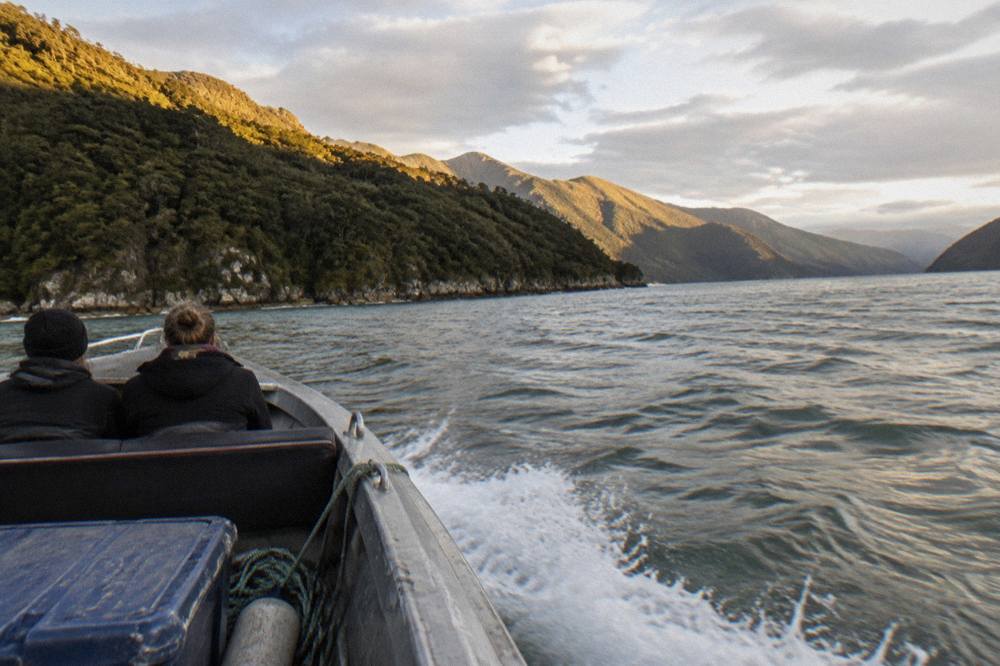
The Pelorus Mail Boat runs year round on Monday, Wednesday and Friday, so the best time to visit Havelock is whenever those days line up with your itinerary; October to April brings summer schedules across the wider Sounds, longer days and drier weather, while May to September brings smaller crowds, calmer water at times and the winter schedules that keep the mail run going.
The sailing calendar is fixed at three days a week regardless of season, which makes day of week more important than month. What changes through the year is everything around the run. Summer means the full range of Picton departures, the Queen Charlotte Track in walking condition, and the region's driest months: February averages just 65 mm of rain at the Picton station and only four wet days of 1 mm or more. Winter means July's 207 mm and fourteen wet days on the same measure, but also the operator's observation of glassy conditions and more marine life on some days.
November through March is the period when orca come near shore in the Sounds, per Marlborough NZ, another may-see that tilts the balance toward summer for wildlife focused travellers. The counterweights are crowds and wind: strong winds in the region peak in spring and summer, and the outer Sounds are exposed to Cook Strait gales while inner waterways like Pelorus stay more sheltered.
| Period | Mail boat schedule | Regional conditions per sources |
|---|---|---|
| October to April | Monday, Wednesday, Friday, 10am | Driest months, February at 65 mm; orca near shore November to March; peak season crowds |
| May to September | Monday, Wednesday, Friday, 10am | July wettest at 207 mm; operator notes possible glassy calm water and more marine life; fewest strong-wind days |
| Any season | Route and return time vary by deliveries, tide and wildlife | No route or sighting is guaranteed on any day |
One dated item for planners: the operator's page lists a Sunday cruise, the Postie's Day Off, starting 10 January 2027, with a bush walk and lunch at Portage Resort; it is not currently part of the bookable runs covered here, but it would add a fourth sailing day for late summer visitors. Its details, including a wine tasting add-on and a no-alcohol-on-board rule, are on the operator's site.
How Do You Plan A Day In Havelock Around The Mail Run?
A practical Havelock day starts with an overnight in or near the town, a packed lunch bought from the bakery or small supermarket in the morning, check-in at Pier B of Havelock Marina at 9.30am, a 10am departure, and a return between about 3.30pm and 4.30pm, leaving the evening free. The key constraints are the fixed sailing days, the bring-your-own-lunch rule, and pay and display parking at the marina.
The night before matters more here than for a Picton cruise. A same-morning drive in from elsewhere risks the 9.30am check-in, and missing the boat on a Monday means Wednesday. Where the town's food offering is concerned, the practical play is the one the operator itself suggests: buy lunch locally in the morning rather than carrying it from further afield, since the bakery and supermarket are a short walk from the marina.
On board, the day is low effort. Wear layers, sun protection and soft-soled shoes; the deck movement and the changeable Sounds weather make the packing list the same as any boat day, a topic covered in detail in the what to wear on a Marlborough Sounds cruise guide. Tea and coffee are provided free. Toilets are on board.
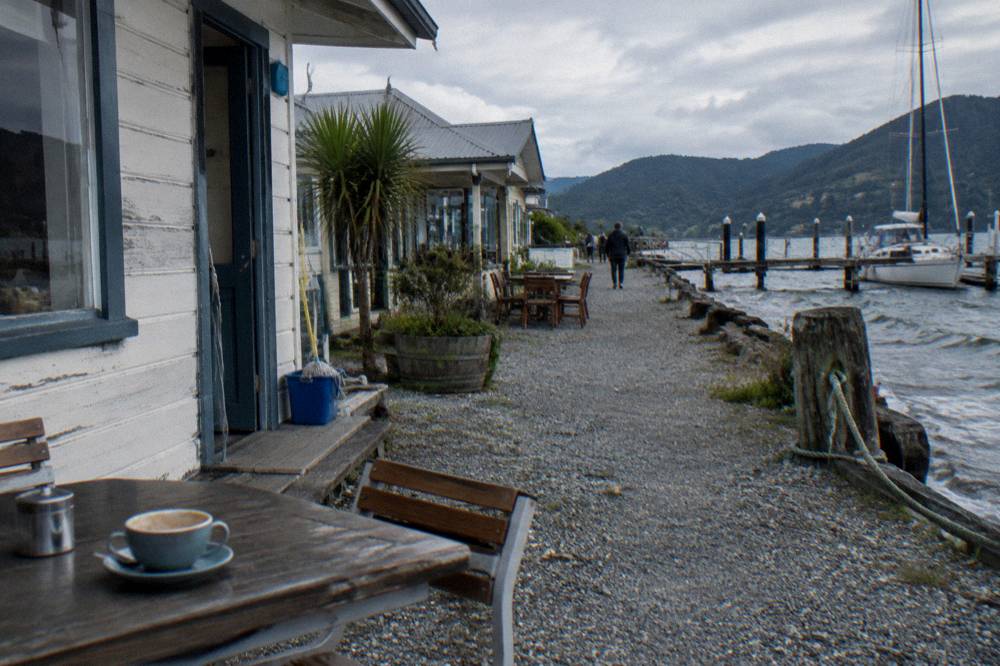
After the run, Havelock rewards a slow evening: a meal in town, a walk along the waterfront, and an early night, or the drive onward. For travellers structuring a wider Sounds itinerary, the pairing that works best is two nights: Havelock for the mail run day, then Picton for a Queen Charlotte Sound cruise and, if time allows, a boat assisted walk on the Queen Charlotte Track. The things to do in Picton guide maps the Picton side.
Is Havelock Worth Visiting Without The Mail Boat?
Havelock is worth visiting without the mail boat for a slow half day of waterfront cafes, mussel meals and the drive itself, but it is a small town whose single major attraction is the water, so travellers with no boat day booked should treat it as a lunch stop or an overnight base rather than a destination. Its standalone appeal is real but modest.
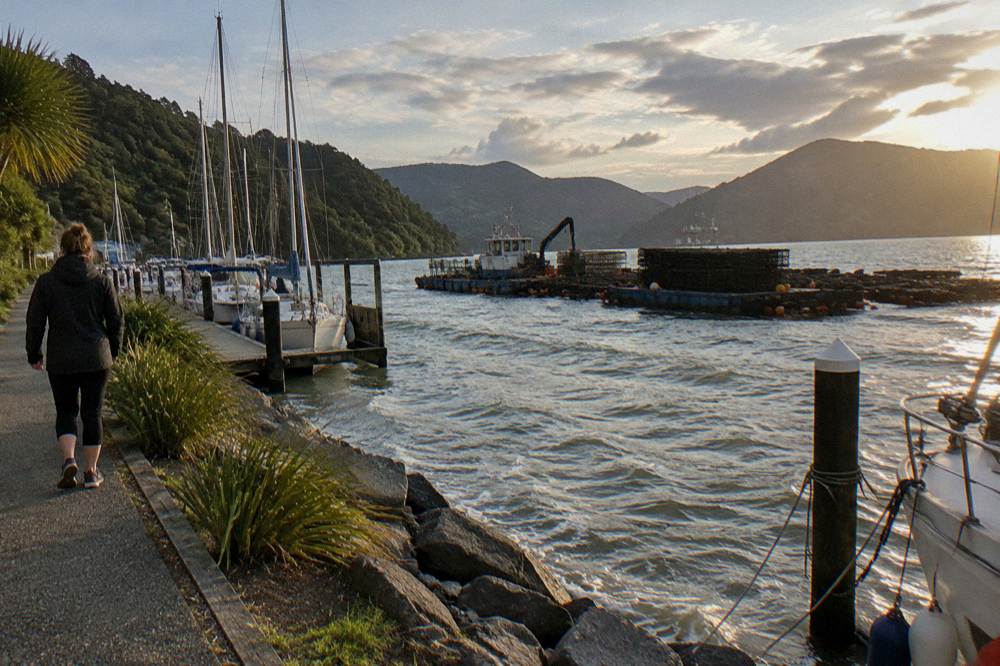
The honest scale of the town is a few streets. Visitors who arrive on a non-sailing day, a Tuesday or Thursday, find cafes, the bakery, the supermarket, a marina and views up Pelorus Sound. That is a pleasant couple of hours. The something missed was the boat.
The workaround, for travellers who cannot align with the Monday, Wednesday, Friday schedule, is to build the day around water in another form: kayaking in the inner Sound if independently arranged, or reshaping the itinerary to spend the day in Picton instead, where cruises run daily across a wide price band, from the $59.00 two hour shore excursion cruise to full day products. The Picton boat tours guide compares the full range.
For cyclists, the region's position on a scenic route between Picton and Nelson means Havelock appears on many itineraries regardless of the mail run, and for travellers on that route a single night with a sailing morning tagged on is the efficient shape. The town also serves as the access point for exploring Pelorus Sound more broadly, a topic with its own Pelorus Sound guide on this site.
The broader question of whether the Sounds region rewards the journey at all has a short answer: it does, and the is Marlborough Sound worth visiting piece on this site makes the case with the numbers. Havelock is one half of the region's gateway pair, and Picton Mail Boat Cruises covers the Queen Charlotte Sound half of the mail boat story in equal depth.
Common Questions About Havelock New Zealand
What Is Havelock New Zealand Known For?
Havelock sits at the head of Pelorus Sound and is the departure town for the Pelorus Mail Boat, a working mail and freight delivery cruise that stops to explain the greenshell mussel farms along the way. The town has cafes, a bakery and a small supermarket, and its visitor economy centres on the marina.
Where Does The Pelorus Mail Boat Leave From?
It leaves from Pier B, Havelock Marina, in Havelock, on Monday, Wednesday and Friday at 10am with check-in from 9.30am. It never departs from Picton; Picton has its own separate mail boat cruise on Queen Charlotte Sound.
How Much Does The Pelorus Mail Boat Cost?
The cruise is listed from $83.40 per person for a 5 to 10 hour day, rated 4.8 across 336 reviews. Tea, coffee and hot water are included; food is not, so bring a packed lunch. Free cancellation applies up to 24 hours before departure per the booking terms.
Is Havelock Worth Visiting Without The Mail Boat?
For a slow half day, yes: waterfront cafes, mussel meals and views up the Sound. As a full day destination, no; the town is small and its main attraction is the water, so align your visit with a sailing day or treat it as a stop on a wider route.
Can You See Dolphins From Havelock?
You may. The operator notes dusky, common and bottlenose dolphins, fur seals, stingrays and very occasional orca as may-see species, alongside resident seabirds. No sighting is guaranteed on any Sounds cruise, and vessels follow DOC marine mammal distance rules at all times.
What Is The Difference Between The Havelock And Picton Mail Boats?
The Havelock run is a full day, 5 hours, from $83.40, on Pelorus Sound. The Picton run is a 4 hour half day, from $91.00, on Queen Charlotte Sound, rated 4.7 across 611 reviews. They are separate operators on separate Sounds and neither visits the other's bays.