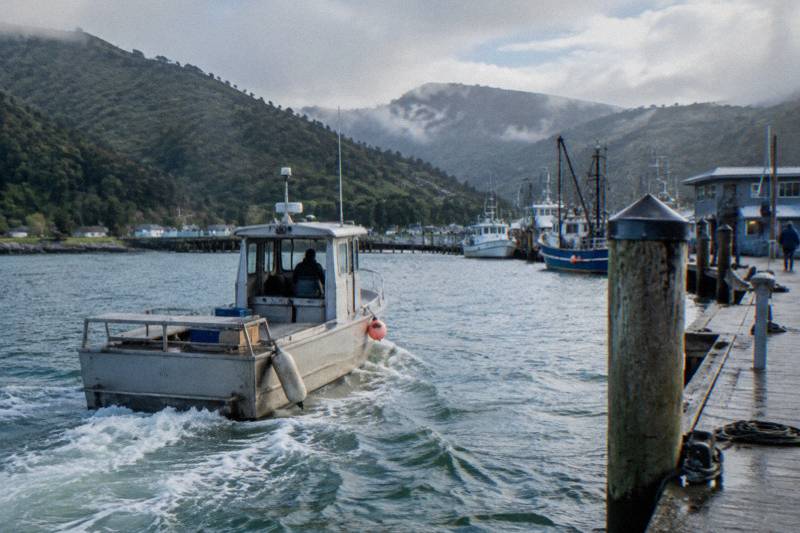
Pelorus Sound: Geography And Visitor Guide
Pelorus Sound is the northernmost and largest arm of the Marlborough Sounds, reached through the town of Havelock rather than Picton, and its working mail boat is one of the few genuine delivery runs you can ride in New Zealand.
Short answer
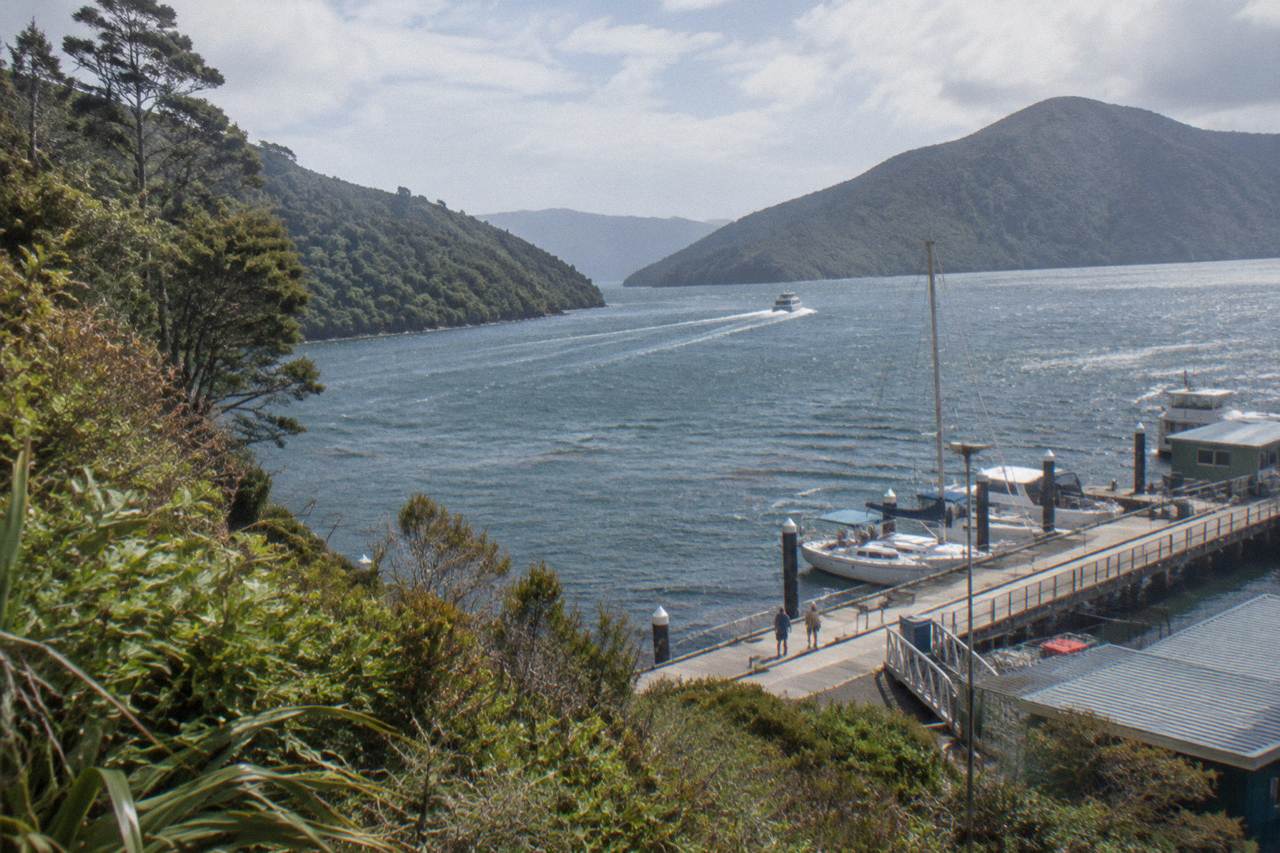
"Pelorus Sound meets the sea at Cook Strait north of Queen Charlotte Sound and is served from Havelock. The Pelorus Mail Boat runs Monday, Wednesday and Friday, from $83.40 per person, rated 4.8 across 336 reviews, delivering freight and mail to bays such as Nydia, Whatanihi and Hopai Bay.
Pelorus Sound, known to Maori as Te Hoiere, is the biggest and northernmost of the drowned river valleys that make up the Marlborough Sounds at the top of New Zealand's South Island. Pelorus is different. It is reached through the small township of Havelock, self-described as the gateway to the Sounds, and it feels more working waterway than tourist corridor: mussel farms line its inner bays, and a working mail boat has been delivering to its scattered settlements since 1919. This guide covers the geography, the mail run, the wildlife, the seasons and the practical planning for a visit.
Where Is Pelorus Sound In The Marlborough Sounds?
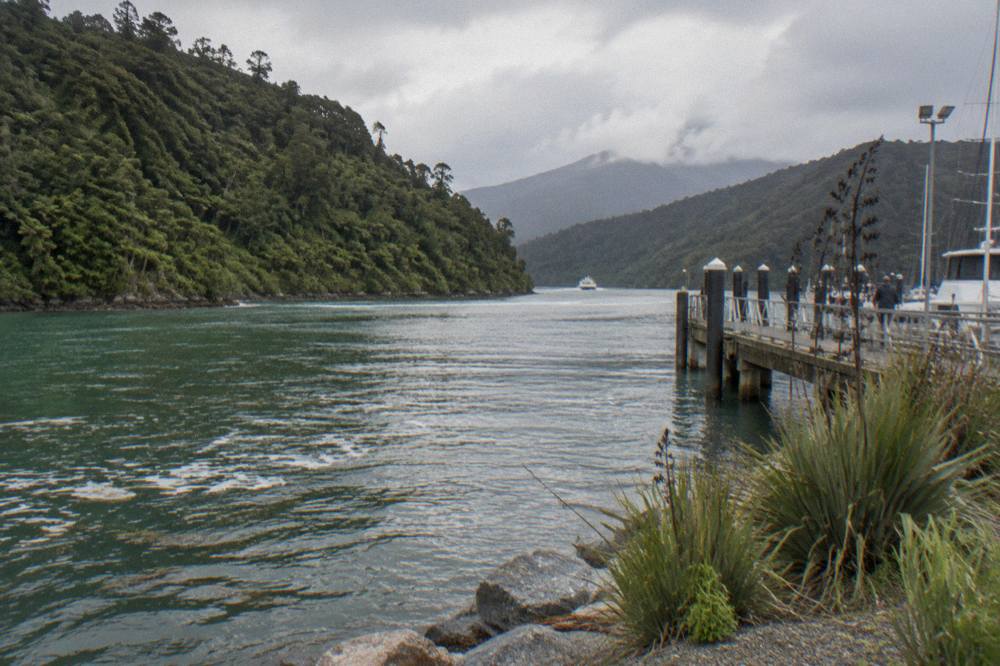
Pelorus Sound is part of the Marlborough Sounds, and its mail boat works from Havelock rather than Picton: a full-day, five-hour cruise rated 4.8 across 336 reviews, from $83.40 per person. Both sounds open to Cook Strait and form part of the wider Marlborough Sounds.
The Marlborough Sounds are a system of sunken river valleys flooded after the last ice age, and Pelorus is the largest of them by water area.
The distinction matters for planning. Cruise passengers and ferry travellers disembark in Picton, on Queen Charlotte Sound, and most of the cruises covered on this site depart from the Picton waterfront. Pelorus Sound cruises do not leave from Picton at all. They leave from Havelock, a separate town on a separate road, and the drive between them along Queen Charlotte Drive is a scenic route in its own right. If you are staying in Picton and want to ride the Pelorus mail run, you are planning a day trip with a drive at each end, not a walk to the wharf. The Picton Mail Boat Cruises site covers both waters precisely because the two mail runs, Picton's half-day Queen Charlotte service and Havelock's full-day Pelorus run, are the two signature delivery cruises in the region and are frequently confused with each other.
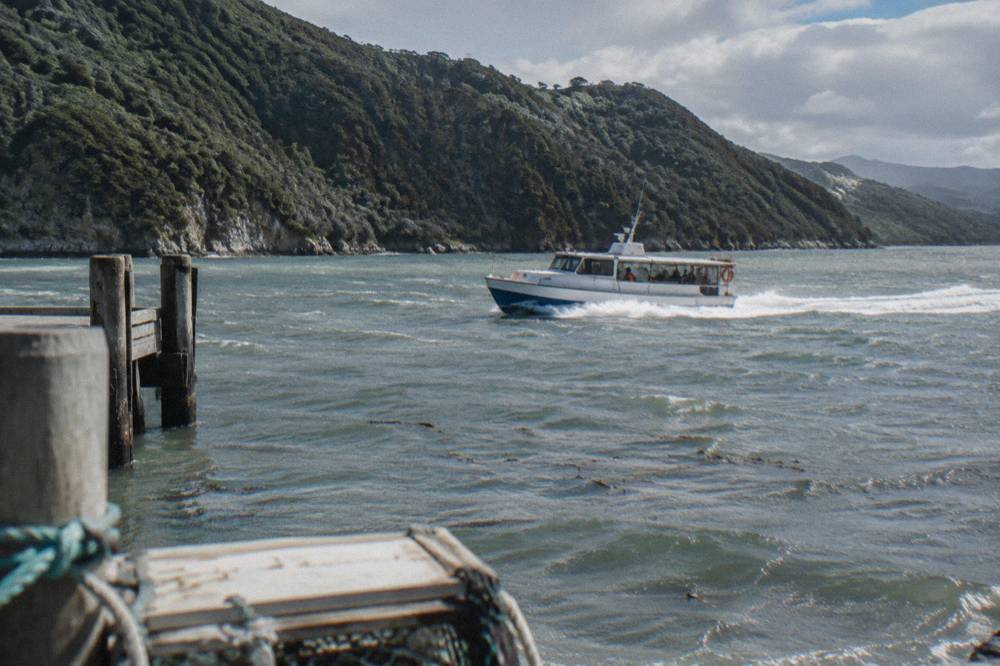
For a fuller treatment of the comparison, the Pelorus versus Picton mail boat guide breaks down duration, price and route differences side by side.
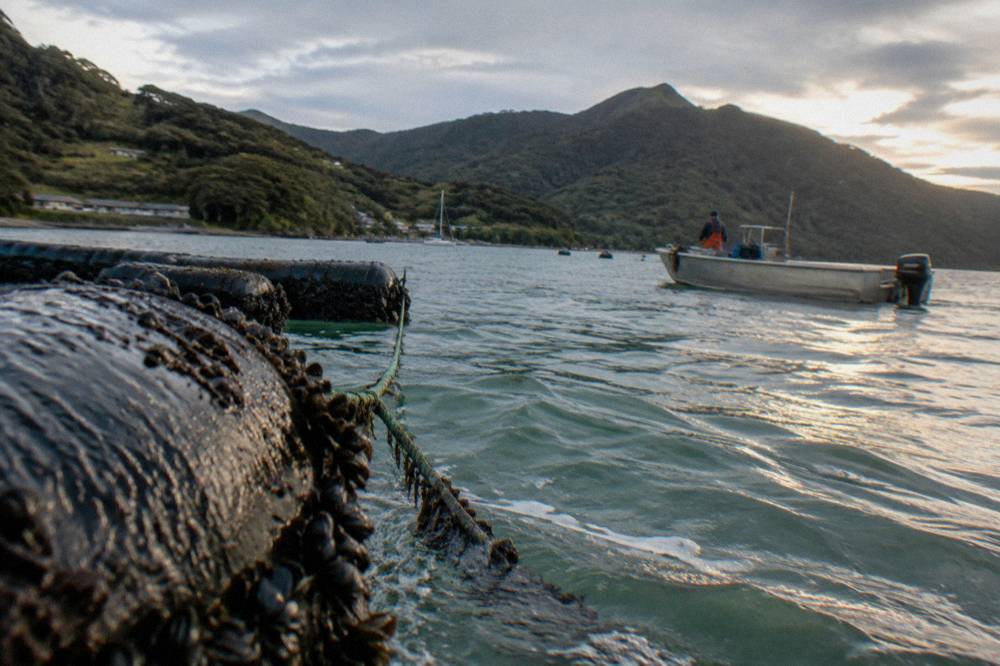
What Is The Pelorus Mail Boat?
The Pelorus Mail Boat is a full-day delivery cruise from Havelock Marina that runs Monday, Wednesday and Friday, departing 10am with check-in at 9.30am and returning mid to late afternoon, from $83.40 per person, rated 4.8 across 336 reviews. It carries real mail, freight and supplies to scattered bays, with skipper commentary, tea and coffee included, and up to 60 travellers per sailing.
The service is a genuine artefact of Sounds life rather than a cruise dressed up as one. Its history is documented in detail: the 1864 Wakamarina goldrush created demand for a proper mail connection between Picton and Havelock, served first by whaleboats and then the steamer SS Torea. The modern run traces to 1919, when 17-year-old Eric Johnson began delivering with an 8.8 metre kauri boat named Mahau. The Johnson family ran it for more than fifty years, it was sold on in 1973, and the Marlborough Tour Company bought the business in 2019. The operator's own history page carries the full timeline, and a book, Time and Tide by Lorain Day, records the run's century in print.
Riding it is closer to accompanying a rural postie than to a scenic cruise, and that is the point. The boat stops at jetties and homesteads, hands over freight, bags of mail and groceries, and the skipper narrates the mussel industry, the settlements and the bush as it goes. The mussel farms of the inner sound are a genuine industry here: the run stops and explains how the local mussel industry works, though it is commentary rather than a tasting or a farm landing. Lunch is not served; free tea, coffee and hot water are, and Havelock has cafes, a bakery and a small supermarket for supplies before the 9.30am check-in. There are two toilets aboard, and pay and display parking sits at the marina itself.
The booking itself is straightforward. The tour page for the Full Day Iconic Mail Boat Cruise carries the current price and availability, with free cancellation up to 24 hours before departure, and the meeting point is Pier B at Havelock Marina. Per-person prices run from $24.73 to $211.67, and the private yacht is priced for the whole boat. Most tours also carry free cancellation. Weather cancellations are rare, and the operator offers a full refund or an alternate date on the uncommon occasion the boat cannot run.
How Do The Mail Run's Weekday Routes Work?
Each Pelorus Mail Boat sailing day follows its own bay route, set by which settlements need delivery that day: Mondays run the inner sound toward Beatrix Bay and Hopai, Wednesdays reach Nydia Bay and Maud Island, and Fridays run the outer sound to Forsyth Island, Port Ligar and Bulwer. The exact route changes with deliveries, tide and wildlife, and is never fixed in advance.
The operator publishes indicative bay lists, and they are the clearest way to choose your day. Monday crosses toward Whatanihi and the inner Pelorus, then South East Bay, Wilsons Bay, Te Rawa Lodge, Beatrix Bay, Hopai, Elie Bay and Crail Bay. Wednesday is the Nydia Bay day, taking in the inner sound, North West Bay, Miro Bay, Wilsons Bay, Te Rawa Lodge, Maud Island and Brightlands Bay. Friday is the long outer run: inner Pelorus, Pohuenui Island, Wakatahuri, Forsyth Island, Port Ligar, Te Kopi, Bulwer and Waitata. None of these is a promise. The skipper adjusts for what has to be delivered, the state of the tide, and sometimes wildlife along the way, which is also why the return time floats between roughly 3.30pm and 4.30pm.
| Sailing day | Indicative bay route | Character of the day |
|---|---|---|
| Monday | Whatanihi, inner Pelorus, South East Bay, Wilsons Bay, Te Rawa Lodge, Beatrix Bay, Hopai, Elie Bay, Crail Bay | Inner sound, mussel farm commentary, lodge stops |
| Wednesday | Nydia Bay, inner Pelorus, North West Bay, Miro Bay, Wilsons Bay, Te Rawa Lodge, Maud Island, Brightlands Bay | The Nydia Bay day, conservation island pass-by |
| Friday | Inner Pelorus, Pohuenui Island, Wakatahuri, Forsyth Island, Port Ligar, Te Kopi, Bulwer, Waitata | The outer sound run, longest stretch of open water |
| Sunday (from 10 January 2027) | Postie's Day Off with bush walk and Portage Resort lunch stop | Cruise with walking, booked separately from the mail run |
Choosing between them is mostly a matter of what you want from the day. Friday covers the most open water and the wildest scenery, reaching the outer sounds toward the entrance at Cook Strait. Wednesday pairs the cruise with the conservation story of Maud Island, a scientific reserve off-limits to casual landing. Monday is the gentlest introduction, staying closer to Havelock among the farms. The Sunday Postie's Day Off cruise is a different product again: it departs 9.30am, includes a 45-minute bush walk at Dillon Bell Reserve, a Hopai Bay Farm garden visit, and a lunch stop at Portage Resort in Kenepuru Sound where you bring your own or buy, with an optional wine tasting add-on. It is not on the booking list here, so it needs to be arranged through the operator directly.
One caution worth repeating from the schedule guide: never book a flight or a tight evening commitment on a mail run day. The return time shifts with deliveries and wildlife, and a boat that comes back at 4.30pm instead of 3.30pm is a good day on the water and a missed connection ashore. For the full schedule and cost breakdown across both mail runs, see the mail boat schedule and cost guide.
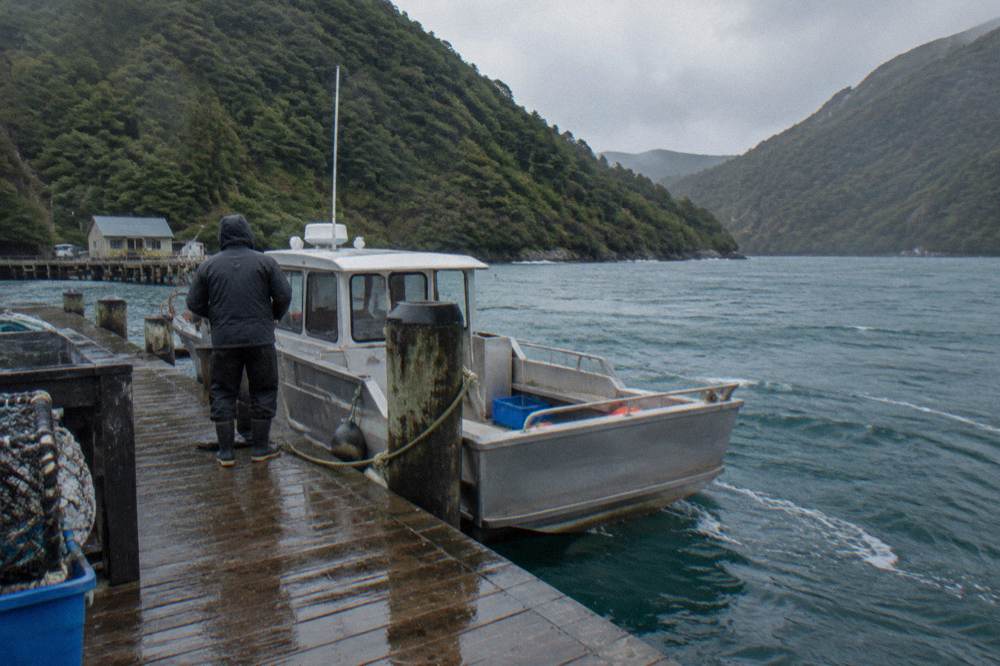
What Wildlife Can You See On Pelorus Sound?
Little blue penguins, white-fronted terns, fluttering shearwaters, spotted and pied shags are seen regularly on Pelorus Sound, and rare king shags are among the species the operator reports encountering. Fur seals, stingrays, and dusky, common and bottlenose dolphins may also be seen, with orca very occasional. No sighting is ever guaranteed, and operators use may-see wording for good reason.
The Sounds sit at the meeting of Cook Strait and sheltered inner waters, which makes them unusually rich for a temperate inlet. The Department of Conservation's rules for watching marine mammals apply to every vessel, and they shape what a cruise can do: boats travel no faster than idle within 300 metres of any marine mammal, keep at least 50 metres from whales, and stay about 20 metres from hauled-out seals. Swimming with dolphins is permitted except with pods carrying very young calves, and swimming with whales is not allowed at all. The full rules are in the DOC marine mammal regulations summary, and responsible operators follow them without being asked.
| Species | How often seen on the Pelorus run |
|---|---|
| Little blue penguins | Regularly encountered |
| White-fronted terns, fluttering shearwaters | Regularly encountered |
| Spotted and pied shags | Regularly encountered |
| King shags | Rare, but reported on the run |
| Fur seals, stingrays | May be seen |
| Dusky, common and bottlenose dolphins | May be seen |
| Orca | Very occasional |
The birdlife above the water deserves as much attention as the mammals in it. King shags are among the rarest cormorants in the world, with a population concentrated in the Marlborough Sounds, and the tourism board asks boats to keep at least 100 metres from their nesting and roost sites. On the hillsides, the bush that drops into the water holds bellbirds, tui, kereru and fantails, and the mail run's stops at lodges and homesteads often put you within a few metres of the shoreline forest.
If wildlife is the main reason you are booking, it is honest to say the mail run is a delivery cruise first and a wildlife cruise second. Dedicated eco-tours out of Picton, with a guide and a maximum of 30 travellers, put more of the day into searching. The Motuara Wildlife Sanctuary Tour and Dolphin Cruise, rated 4.7 across 216 reviews and from $100.08 per person, lands on an island reserve where rats were eradicated in 1992 and saddleback, robin and yellow-crowned parakeet now breed, and it is described in the Motuara Island tour guide. The two experiences are complements rather than rivals: one is a working day on a working waterway, the other a targeted wildlife expedition.
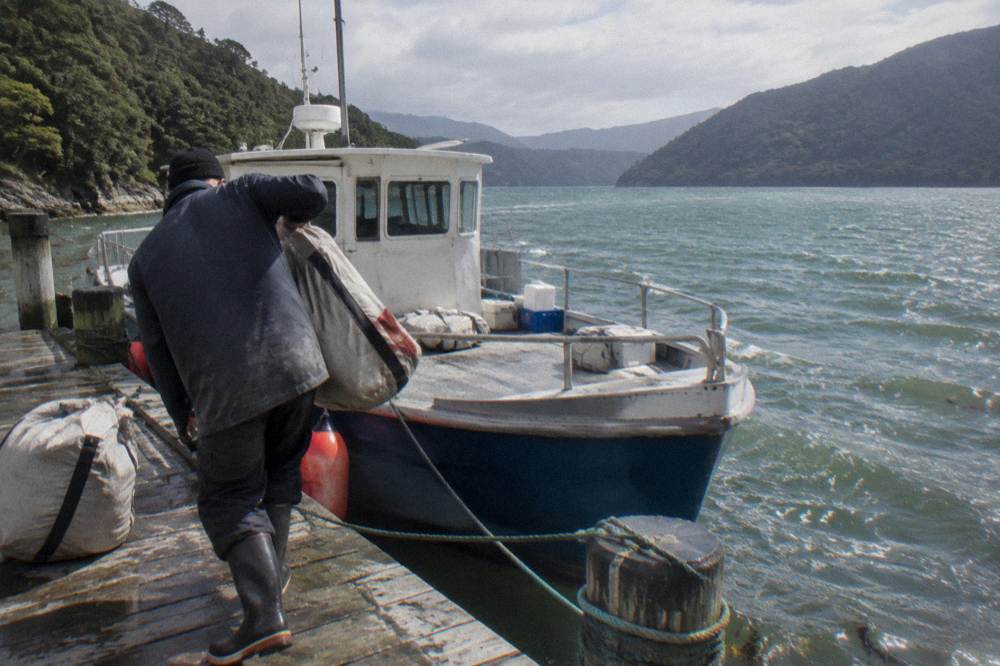
What Else Can You Do On Pelorus Sound?
Beyond the mail run itself, Beachcomber cruises reach lodges deep in the Sounds, including Furneaux Lodge, which sits at the head of Endeavour Inlet in Queen Charlotte Sound, and these trips run with free cancellation up to 24 hours before. The Pelorus Mail Boat's Monday, Wednesday and Friday runs call at remote homesteads and jetties with mail and supplies, and Havelock is the practical base for all of it.
The walking options are better than most visitors expect. The Nydia Track runs over the saddle between Nydia Bay and Duncan Bay, and Nydia Bay itself is one of the mail run's Wednesday stops, which opens up walk-and-boat combinations for the prepared. Te Rawa Lodge, another regular mail run stop on the northern shoreline, has jetty access, and staying a night at a lodge only reachable by water is one of the more distinctive ways to experience the sound. Boat operators across the wider Marlborough Sounds can carry packs between accommodation, which is how most multi-day walkers move along the Queen Charlotte Track on the other side of the region.
| Activity | Where it is based | Notes for planning |
|---|---|---|
| Mail boat delivery cruise | Havelock Marina | Monday, Wednesday, Friday, 10am, full day |
| Sunday Postie's Day Off cruise | Havelock Marina | Bush walk and Portage Resort lunch stop, from 10 January 2027 |
| Nydia Track walking | Nydia Bay to Duncan Bay | Reached by boat or road; check track status with DOC before you go |
| Lodge stays | Te Rawa and other shoreline lodges | Jetty access, served by the mail run's weekday routes |
| Havelock cafes and supplies | Havelock township | Bakery, cafes and a small supermarket for cruise lunches |
Mussels are the region's signature food story, and Havelock makes the most of it ashore, but be precise about what the mail run offers: the skipper stops and explains how the mussel industry works, and there is no tasting on board. Bring your own lunch from Havelock's bakery or supermarket before check-in. For travellers who want seafood actually on the plate while on the water, the Seafood Odyssea cruise from Picton, from $86.28 and rated 4.7 across 136 reviews, includes a food tasting, and the Marlborough Sounds seafood cruise guide covers it in detail.
When Is The Best Time To Visit Pelorus Sound?
Autumn and winter can deliver some of the best conditions of the year on Pelorus Sound, with glassy calm water and more marine life, per the operator's own description, though no sighting is promised. Rainfall data shows Picton averaging 1463 mm a year with July the wettest month at 207 mm and February the driest at 65 mm, so shoulder seasons balance crowds, weather and sailing days.
The rainfall numbers are worth knowing because they run against intuition. The Sounds are the wet edge of one of New Zealand's driest regions: Blenheim, in the sheltered Wairau Valley behind the ranges, is one of the sunniest towns in the country, while the outer Sounds cop the Cook Strait gales and the NIWA Marlborough Climatology record puts Picton's yearly rainfall at 1463 mm. July is the wettest month, with an average of 207 mm and 14 days of at least 1 mm of rain; February is the driest at 65 mm with only 4 such days. The mail run sails Monday, Wednesday and Friday year-round. Summer adds Sunday scenic cruises and, in some periods, extra Saturday runs, while conditions stay changeable whatever the month.
For the mail run specifically, the schedule does not change with the seasons in the way the Picton mail boat's does: Havelock sailings run Monday, Wednesday and Friday at 10am year round, and the operator describes weather cancellations as rare, with a full refund or alternate date offered when they happen. That makes a winter visit less of a gamble than it sounds, provided you can restructure a day if the forecast turns. Spring and summer bring stronger winds, peaking in those seasons per the NIWA record, so if glassy water and photographs matter more than warmth, the quieter months have a real case.
What to wear follows the same logic as anywhere in the Sounds, and the what to wear on a Marlborough Sounds cruise guide has the full kit list. The short version: layers, a windproof outer layer, and shoes you can stand on a moving deck in, whatever the forecast said in Havelock that morning.
How Do You Get To Pelorus Sound And Havelock?
Pelorus Sound is reached through Havelock on Queen Charlotte Drive, the scenic road that leaves Picton on the western side of the harbour; the mail boat departs from Pier B at Havelock Marina with pay and display parking on site. There is no ferry or cruise connection from Picton to Havelock by water, so the drive is the practical route, and cruise ship passengers docked in Picton should treat a mail run day as a full excursion.
Havelock is a small town, and everything about the departure is low-stress if you arrive in time for the 9.30am check-in. The marina has pay and display parking, the jetty is a short walk from the township's cafes and bakery, and the boat has partial wheelchair access with a maximum of two wheelchairs per sailing, which is worth raising with the operator when booking. Coming from further afield, Blenheim sits inland on the Wairau Valley side, and the Havelock New Zealand guide and the Picton to Havelock guide cover the road options, the town's eating and where to break the drive.
| Traveller type | Practical advice for the mail run |
|---|---|
| Staying in Picton | Allow a full day; drive Queen Charlotte Drive each way and arrive by 9.30am check-in |
| Staying in Blenheim | Shorter drive over the Wairau side; still allow the full day, return is mid to late afternoon |
| Cruise ship passengers | Only viable on a Monday, Wednesday or Friday port day; verify the ship's departure time against the 3.30pm to 4.30pm return window |
| Independent travellers | Havelock has its own accommodation; staying the night before removes all timing pressure |
The one trap worth naming is the same-day connection. The mail boat returns between about 3.30pm and 4.30pm depending on deliveries, tide and wildlife, and a fixed evening commitment, whether a ferry sailing or a flight, sits badly against a floating return time. Interislander states a 3.5-hour crossing and sails daily, so an evening ferry out of Picton is usually workable, but the margin depends on where your return falls on that window. Build slack, or stay the night and let the Sounds set the pace for once.
For travellers who cannot make the three-day Havelock schedule work, the Picton mail boat runs more often: summer departures run Monday to Saturday from 1 October, with check-in at 1pm and a 1.30pm sailing, while winter from 1 May to 30 September drops to Monday, Wednesday and Friday. That half-day Queen Charlotte run, from $91.00 per person and rated 4.7 across 611 reviews, is the most reviewed cruise covered on this site, and the Picton mail boat cruise guide explains its own weekday route pattern. Between the two, most visitors to the Marlborough Sounds can fit a genuine delivery run into their itinerary on one side of the region or the other.
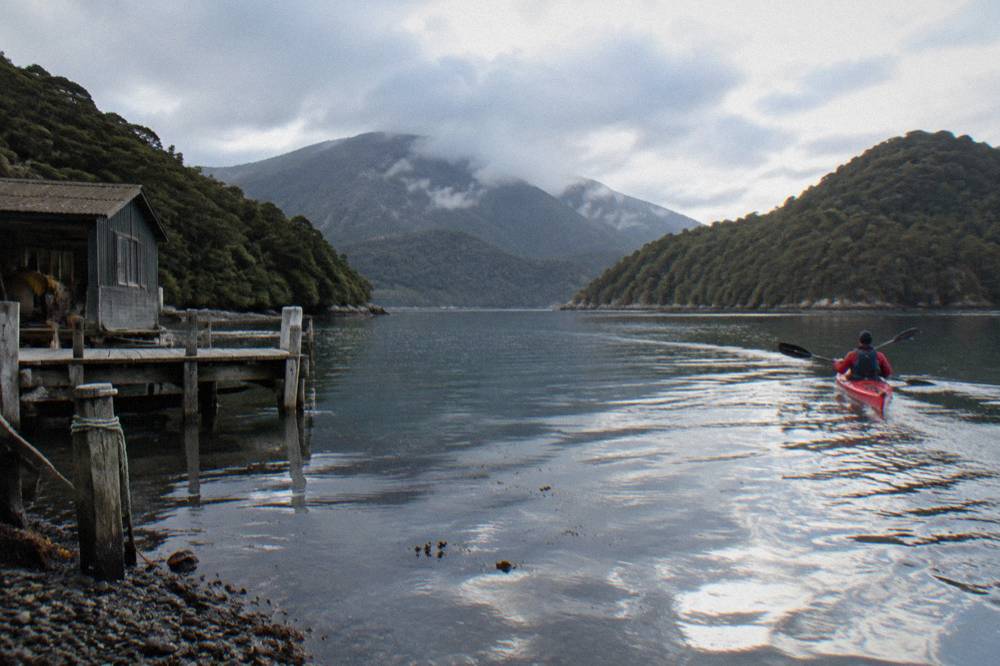
The boat-assisted walk option deserves a final word for active travellers. The Queen Charlotte Track cruise and self-guided hike, from $67.00 per person and rated 4.8 across 424 reviews, pairs a Ship Cove landing with a walk along the 73.5 kilometre track that DOC lists as an intermediate tramping route, with boat transport doing the heavy lifting. It runs from Picton rather than Havelock, but it rounds out the picture: Pelorus Sound for the working waterway and its mail run, Queen Charlotte Sound for the walking, the wildlife sanctuary and the Cook history. A week in the Sounds lets you do both properly.
What Does The Weather Mean For A Pelorus Sound Day?
Expect rain at some point, but rarely enough to stop the boat. Havelock records about 1733 mm of rain a year, and the Sounds' sheltered waters mean the mail boat almost never cancels for weather. Dress in layers with a waterproof shell, and you will enjoy the day whatever the sky does.
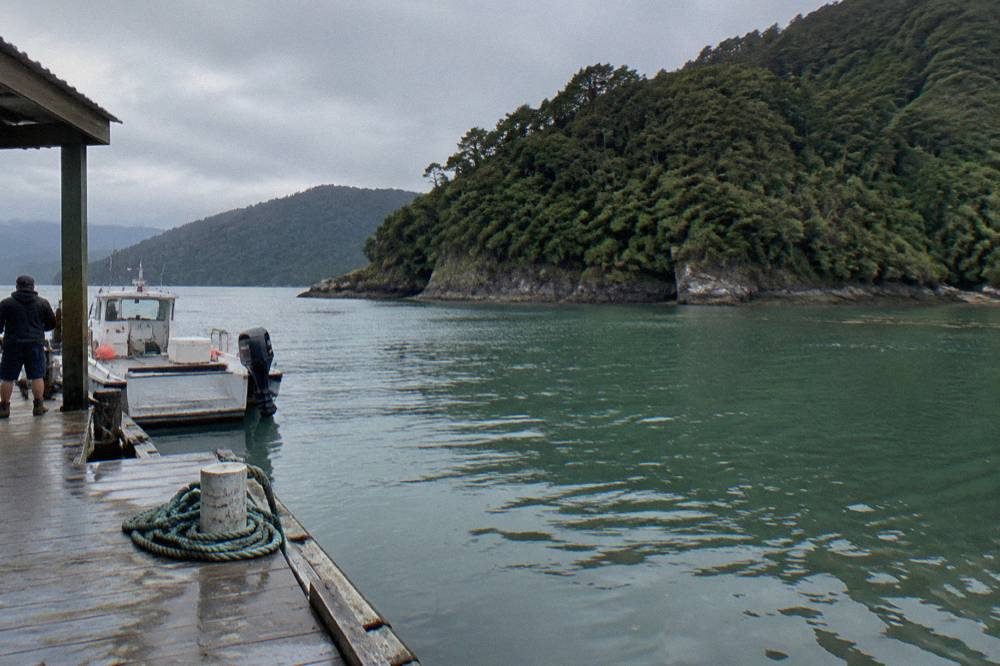
Rain here is a fact of life rather than a dealbreaker. The Picton station averages 1463 mm annually, spread across roughly six or seven wet days a month in summer and up to fourteen in July, the wettest month at 207 mm. Winter, in other words, carries about a third of the year's rainfall. If you visit between June and August, pack for showers and do not be surprised by a soggy morning that clears into a brilliant afternoon.
The operator's own FAQ makes a claim that surprises many visitors: autumn and winter can deliver some of the best conditions of the year, with glassy calm water and more marine life, including dolphins. A still July day on Pelorus Sound, mist sitting on the bush-clad ridges, can beat a blustery January one. If your dates are flexible, do not rule out the cooler months.
Wind is the other variable. Blenheim, sheltered in the Wairau Valley, gets strong winds mainly in spring and summer, while the outer Sounds cop Cook Strait gales, Brothers Island logging gusts of 63 km/h or more on 243 days a year. Pelorus Sound sits far enough inside that you are largely protected, but a northerly can still whip up short chop in the main channels. A warm jacket over a midlayer handles the wind chill on deck, where you will want to stand for the wildlife and the mussel farm commentary.
On the rare occasion conditions force a cancellation, you get a full refund or an alternate date, and you can change your booking up to 24 hours before. The cruise runs in all weather, so the practical decision is yours: check the forecast the night before, bring a packed lunch that survives a bump, and keep gloves and a beanie handy from May through September. Sunscreen still matters on bright days, when reflection off the water doubles the exposure.
Common Questions About Pelorus Sound
Where Is Pelorus Sound?
Pelorus Sound is the northernmost major arm of the Marlborough Sounds at the top of New Zealand's South Island, north of Queen Charlotte Sound and opening to Cook Strait. Its service town is Havelock, from which the Pelorus Mail Boat departs, while Picton serves the neighbouring Queen Charlotte Sound.
How Do You Cruise Pelorus Sound?
The main option is the Pelorus Mail Boat, a full-day delivery cruise from Havelock Marina running Monday, Wednesday and Friday at 10am, from $83.40 per person and rated 4.8 across 336 reviews. A Sunday cruise with a bush walk and a Portage Resort lunch stop starts on 10 January 2027 and is booked through the operator.
Is Pelorus Sound The Same As The Marlborough Sounds?
No. Pelorus Sound is one arm of the Marlborough Sounds, the flooded river valley system that also includes Queen Charlotte Sound and the Tory Channel. Pelorus is the largest arm by water area and is reached through Havelock rather than Picton.
What Wildlife Can You See On Pelorus Sound?
Little blue penguins, terns, shearwaters, shags and rare king shags are seen regularly, and fur seals, stingrays and dusky, common and bottlenose dolphins may be seen, with orca very occasional. No sighting is guaranteed, and boats follow DOC marine mammal rules at all times.
Can You Get From Picton To Pelorus Sound By Boat?
There is no regular passenger connection by water.
Is Food Included On The Pelorus Mail Boat?
No. Tea, coffee and hot water are provided free, but you bring your own lunch, and Havelock has cafes, a bakery and a small supermarket open before the 9.30am check-in. The boat has two toilets on board.