Marlborough Sounds: A Visitor Guide To The Waterways
The Marlborough Sounds are a drowned river valley system at the top of New Zealand's South Island, and almost everything a visitor does here happens on or beside the water. This guide covers the geography, the departure points, the wildlife, the weather patterns and the realistic costs of a trip.
Short answer
"The Marlborough Sounds sit at the north-east corner of New Zealand's South Island, centred on the port town of Picton and the smaller settlement of Havelock. Boat cruises run year round from the Picton waterfront, from $24.73 per person to $211.67 per person for tours with 15 or more reviews.
The Marlborough Sounds are what happens when a river valley system drowns. What is certain on the ground: the town of Picton sits at the head of Queen Charlotte Sound and serves as the base for nearly every commercial cruise in the region.
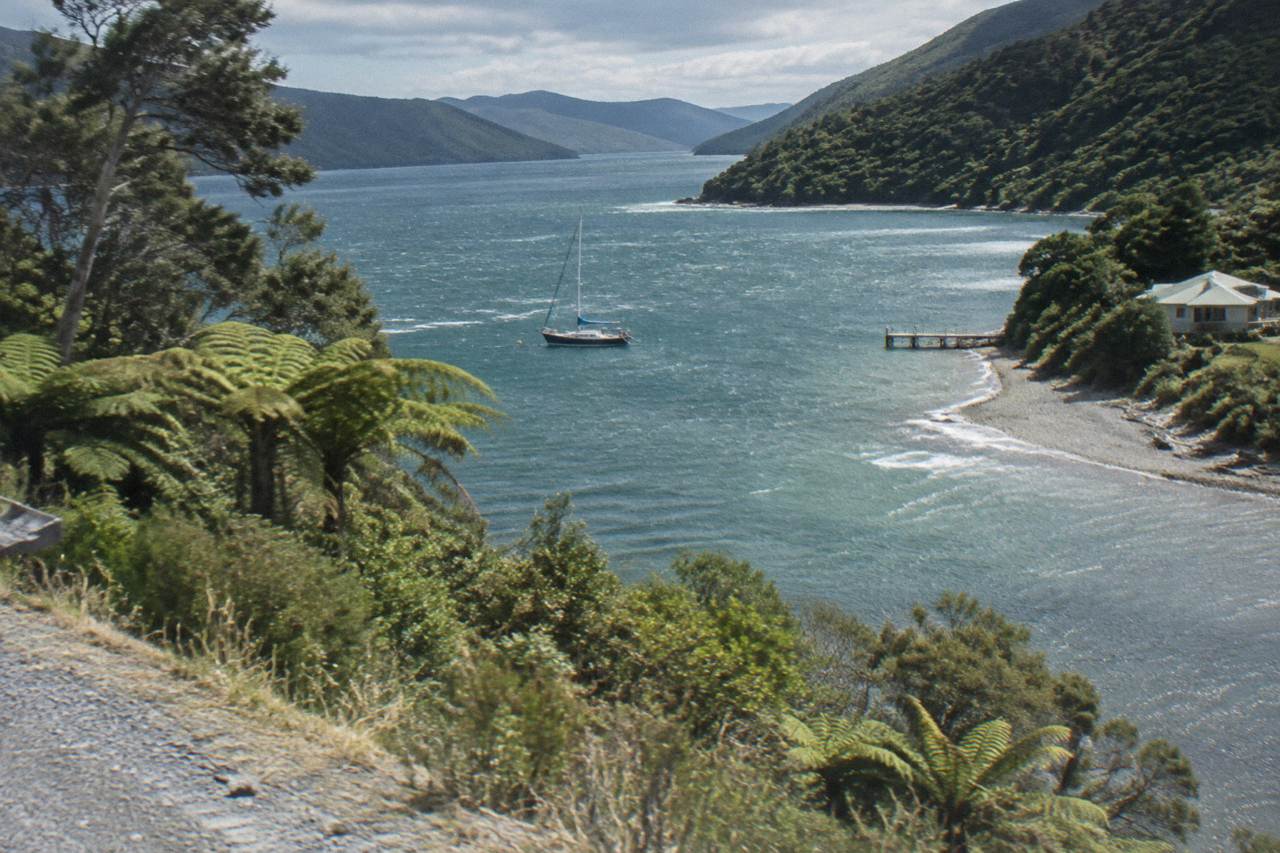
The Sounds divide naturally into a handful of waterways a visitor will hear named constantly. Queen Charlotte Sound runs from Picton towards Cook Strait and holds the best-known landmarks, Ship Cove and Motuara Island. Pelorus Sound, the largest, reaches inland to Havelock. Tory Channel cuts south from near the Queen Charlotte entrance, and Endeavour Inlet, in Queen Charlotte Sound, holds the resorts at Punga Cove and Furneaux Lodge. Cruises, mail runs, water taxis and kayak tours all work within this one connected system.
What Are The Marlborough Sounds?
The Marlborough Sounds are a network of drowned river valleys at the top of the South Island, made up of four main sounds, Queen Charlotte, Pelorus, Kenepuru and Tory Channel, with Picton on Queen Charlotte Sound and Havelock on Pelorus Sound. The Department of Conservation manages reserves across the Sounds, among them New Zealand's first historic reserve at Ship Cove.
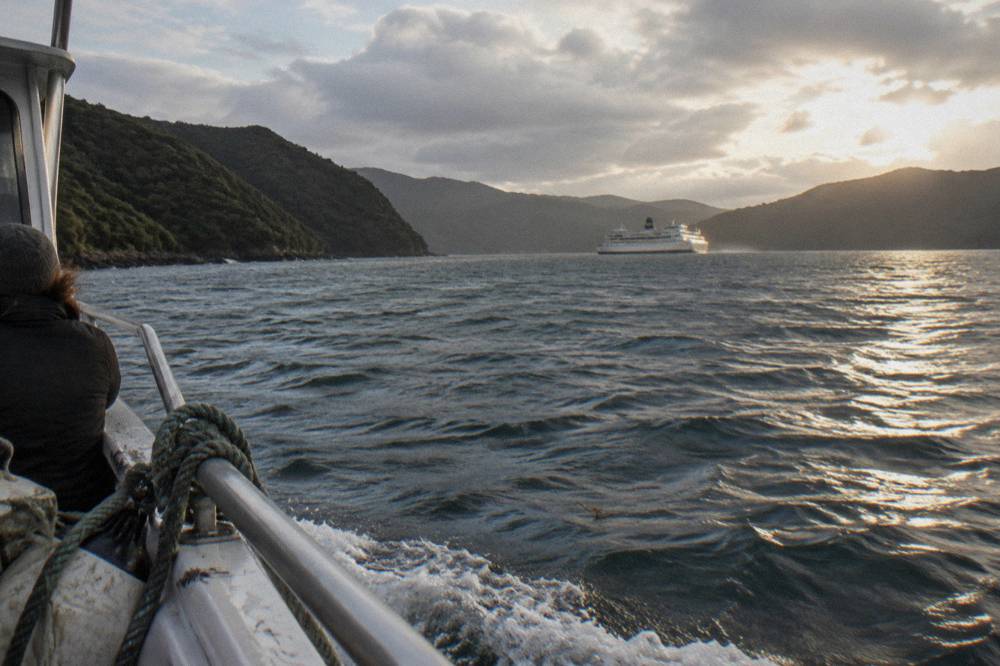
The human history runs deep. Captain Cook anchored at Meretoto, the place now called Ship Cove, on all three of his voyages to New Zealand in the 1770s; the Department of Conservation's Ship Cove page records that he spent 170 of his 328 days in the country there, and that the cove became New Zealand's first historic reserve in 1896. On Motuara Island, opposite Ship Cove, Cook proclaimed British sovereignty over the South Island in 1770. The Sounds have been home to Maori for far longer: DOC names Ngati Apa, Ngati Kuia and Rangitane, and later Ngati Toa, with Te Atiawa o Te Waka-a-Maui as guardians of the Ship Cove area.
The mail boat tradition ties the modern visitor economy to that working history. Beachcomber Cruises describes itself as the only official licensed New Zealand Post rural delivery service by water in Queen Charlotte Sound, with mail delivered by boat there for over 150 years. On the Pelorus side, a 17-year-old named Eric Johnson started the mail run in 1919 with an 8.8-metre kauri boat called Mahau; the Marlborough Tour Company bought the business in 2019. The Pelorus Mail Boat guide covers that run in detail, and the Picton Mail Boat Cruise guide covers the Queen Charlotte version.
“Amazing views from the top of the island. The Marlborough sounds are really beautiful. By doing the boat trip you get to see things you can’t get to by road.”
For walkers, the Queen Charlotte Track is the region's signature land route. It runs 73.5 kilometres one way from Ship Cove to Anakiwa, normally three to five days on foot, and a pass is required on the private-land sections between Kenepuru Saddle and Davies Bay. Boat operators carry packs between accommodation, which is where the cruise network and the track meet; the Queen Charlotte Track boat and walk guide explains those combinations.
Where Do Boat Trips Leave From In The Sounds?
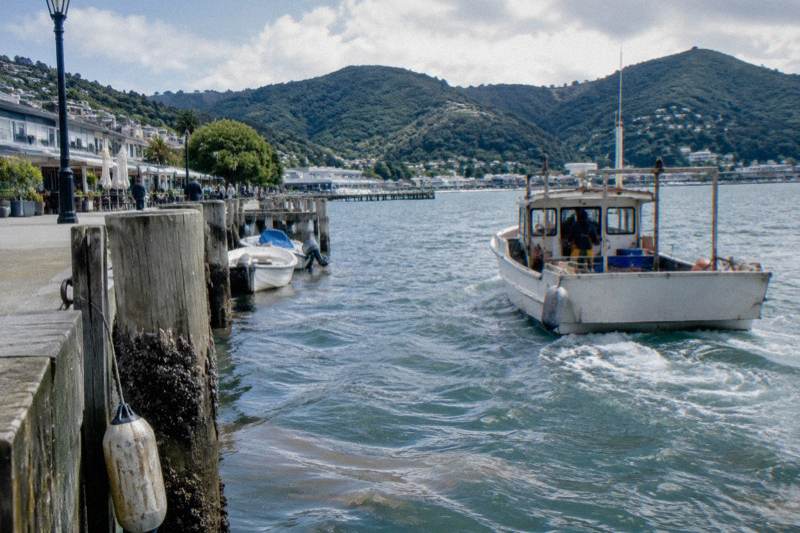
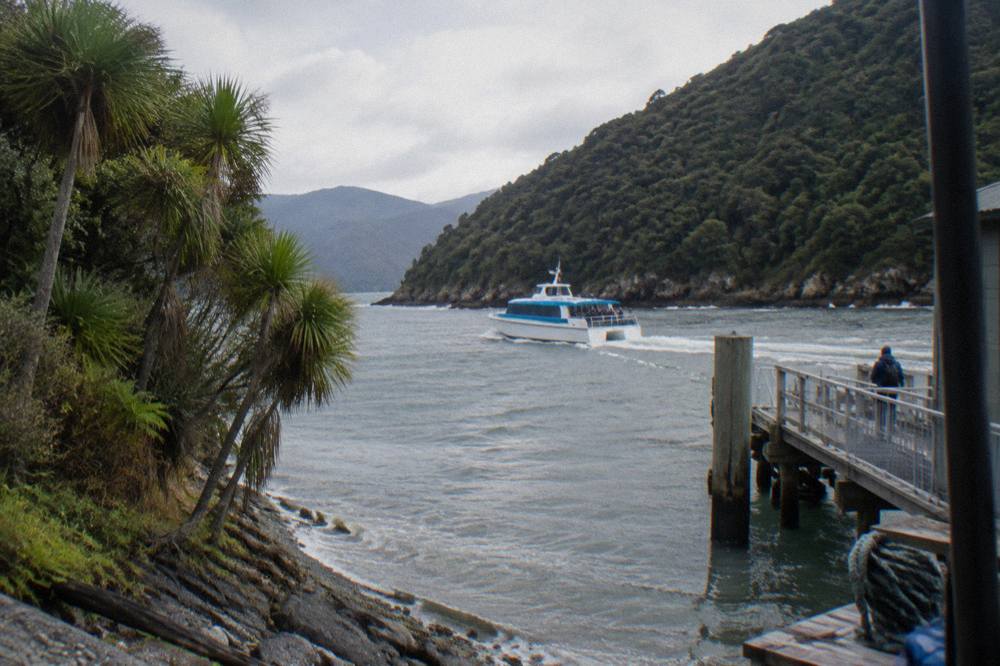
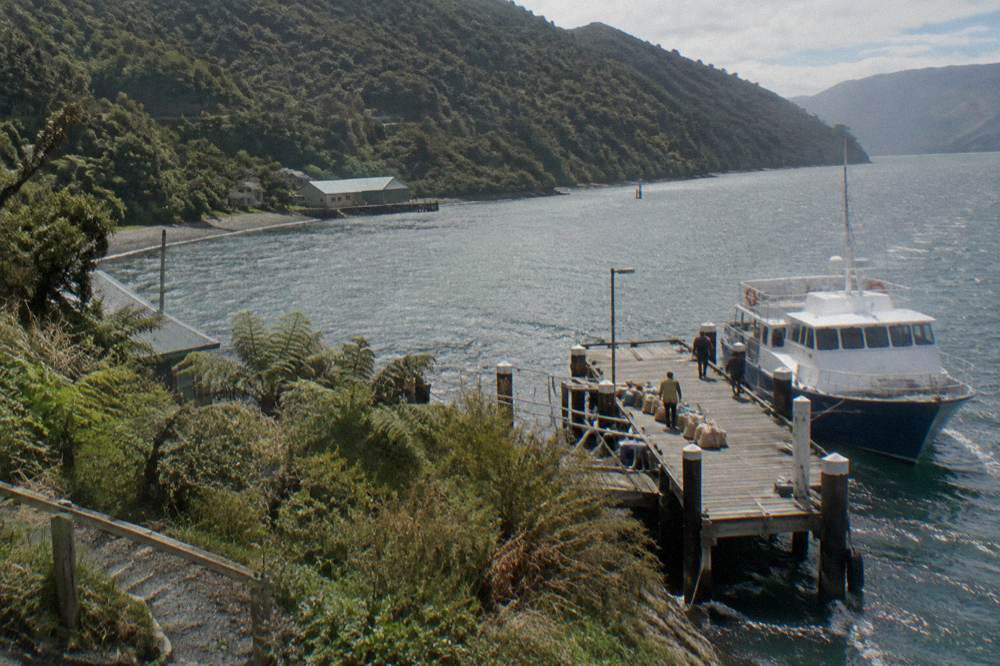
Almost every commercial cruise leaves from the Picton waterfront, concentrated around London Quay and Wellington Street: Beachcomber Cruises at London Quay, E-Ko Tours at 1 Wellington Street, Cougar Line at Town Wharf and Seafood Odyssea at Town Wharf 6. The one significant exception is the Pelorus Mail Boat, which departs from Havelock Marina, a separate settlement on a different sound.
The concentration matters for planning because nothing is more than a few minutes' walk from anything else. The Interislander ferry terminal, the town centre, the departure points and most accommodation all sit on the same small waterfront, so a single base in Picton covers every Picton-departing tour. The where to stay in Picton guide maps the practical options.
| Operator | Departure point | Waterway |
|---|---|---|
| Beachcomber Cruises | London Quay, Picton waterfront | Queen Charlotte Sound |
| E-Ko Tours | 1 Wellington Street, Picton | Queen Charlotte Sound |
| Cougar Line | Town Wharf, 1 London Quay, Picton | Queen Charlotte Sound |
| Seafood Odyssea | Town Wharf 6, Picton Marina | Queen Charlotte Sound |
| Wilderness Guides | Picton waterfront, London Quay and Wellington Street corner | Queen Charlotte Sound |
| Pelorus Mail Boat | Pier B, Havelock Marina, Havelock | Pelorus Sound |
The Picton to Havelock guide deals with that link directly. What can be stated plainly: the Pelorus Mail Boat departs Havelock Marina at 10am on Monday, Wednesday and Friday per the operator's page, with check-in from 9.30am, and the boat is usually back mid to late afternoon.
Hotel pickup is not included on some Picton cruises and left unstated on others, so check the booking page; that is fine when the whole operation is walkable. Cruise ship passengers berth at Waimahara Wharf in Shakespeare Bay or Waitohi Wharf in Picton Harbour per the Port Marlborough schedule, and the Picton cruise ship shore excursion guide addresses that case, including why the schedule's ETA times are to the pilot station and need two and a half to three hours added for berthing.
What Wildlife Can You See In The Marlborough Sounds?
Dolphin species recorded in the Sounds include dusky, bottlenose, common and orca, with rare Hector's dolphins, and orca come near shore mainly from October to March. Fur seals gather around Kaipupu, and Motuara Island holds about 200 South Island saddleback plus robins, kakariki and bellbirds. No sighting is ever guaranteed; operators use "may be seen" wording throughout.
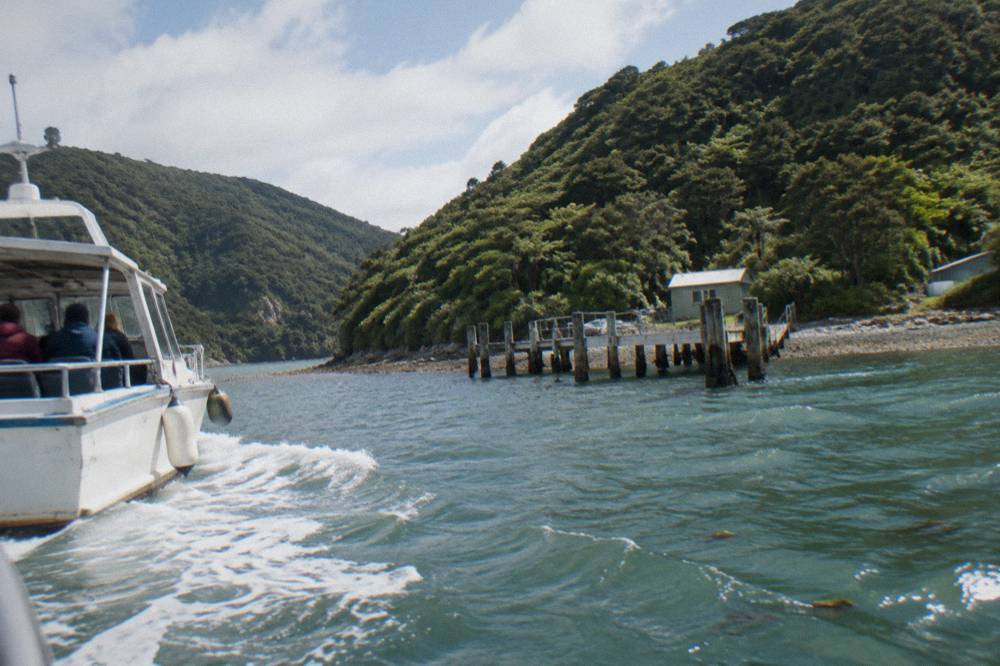
The Sounds' dolphins are the headline act for many visitors, and the law shapes how boats behave around them. Under the marine mammal protection rules summarised in the Department of Conservation leaflet, vessels travel no faster than idle speed within 300 metres of any marine mammal, keep at least 50 metres from whales, stay about 20 metres from hauled-out seals, and do not swim with dolphin pods that have very young calves. Swimming with whales is prohibited outright.
Motuara Island is the region's flagship bird sanctuary. Rats were eradicated there in 1992, and DOC has since translocated South Island saddleback, South Island robin and yellow-crowned parakeet, or kakariki. The island also serves as a creche for rowi kiwi, one of the rarest kiwi species, with fewer than 500 left: eggs are hatched in captivity and chicks are raised on Motuara until they reach about one kilogram before returning to Okarito. Visitors are asked to check, clean and seal gear against pests, and no dogs are allowed.
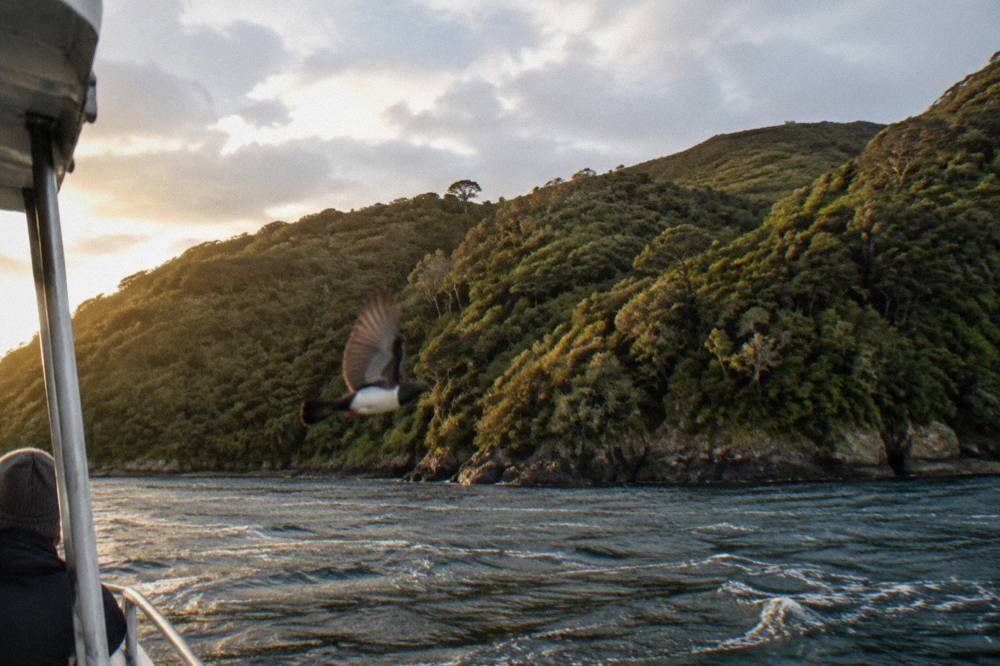
Several cruises build their itinerary around that wildlife. The E-Ko Tours Motuara Wildlife Sanctuary Tour and Dolphin Cruise, 4.5 hours from $100.08 per person and rated 4.7 across 216 reviews, includes an island landing, national park fees and a guide, in a group capped at 30. Its sister trip, the Bird Watching and Dolphin Eco-Tour to Blumine Island, 3 to 4 hours from $128.84 per person and rated 4.8 across 56 reviews, goes to a different island sanctuary. Neither promises animals; both describe what may be seen.
For a shorter commitment, the Picton Shore Excursion Kaipupu Sanctuary Water Taxi runs just 2 hours from $24.73 per person, though with only a single review so far it has no rating standing, and the Marlborough Sounds wildlife cruise guide compares the wildlife-focused options side by side. The dolphin-specific choices, including a swim-with-dolphins tour, are covered in the Picton dolphin cruise guide.
How Do You Choose A Marlborough Sounds Cruise?
Match the format to your time and interest: mail boat cruises from $83.40 to $91.00 per person for the working-waterfront experience, scenic half-day cruises from $69.02, wildlife eco-tours from $100.08, seafood tasting cruises from $86.28, and boat-assisted walks on the Queen Charlotte Track from $67.00. The most reviewed cruise on this site is the Queen Charlotte Sound Mail Boat Cruise, 4.7 across 611 reviews.
The category structure is simpler than the number of products suggests. Mail runs deliver actual post and supplies to shoreline properties, scenic cruises show the sounds with commentary, wildlife tours chase birds and dolphins with guides and landings, and boat-and-walk products drop you on the track and collect you later. The half day or full day guide works through that trade-off, and the Marlborough Sounds cruise guide lists the scenic options.
| Cruise | Category | Duration | From (USD, per person) | Rating |
|---|---|---|---|---|
| Queen Charlotte Sound Mail Boat Cruise from Picton | Mail run | 4 hours | $91.00 | 4.7, 611 reviews |
| Full Day Iconic Mail Boat Cruise (Havelock) | Mail run | 5 hours | $83.40 | 4.8, 336 reviews |
| Half-Day Cruise in Marlborough Sounds from Picton | Scenic | 3.5 hours | $69.02 | 4.3, 156 reviews |
| Seafood Odyssea Marlborough Sounds Cruise | Seafood tasting | 3 hours | $86.28 | 4.7, 136 reviews |
| Motuara Wildlife Sanctuary Tour and Dolphin Cruise | Wildlife | 4.5 hours | $100.08 | 4.7, 216 reviews |
| Queen Charlotte Track: Cruise & Self-Guided Hike | Boat and walk | 8.5 hours | $67.00 | 4.8, 424 reviews |
| Private Yacht Cruise in the Marlborough Sounds | Private charter | 8 to 9 hours | $5,464.30 per group, up to 15 | 2 reviews, no rating standing |
Two cautions on that table. Prices are per person and "from" figures unless marked otherwise, and the private yacht price is per group for up to 15 people, never divided.
The featured cruise on this page, the From Picton: Marlborough Sounds Cruise with Ship Cove Stop, sits in the Ship Cove and Motuara category with a historic landing: 3 hours, from $82.00 per person, rated 4.3 across 296 reviews, with free cancellation up to 24 hours before departure per its terms. Ship Cove is reachable only by boat, and a short stop there puts you at the monument where Cook anchored, the start of the Queen Charlotte Track.
The mail boat category deserves a special note because it is the region's signature product. The Queen Charlotte Sound Mail Boat Cruise from Picton runs 4 hours from $91.00 per person, rated 4.7 across 611 reviews, with commentary, toilets on board and free cancellation up to 24 hours out. Its route changes by day and is confirmed at check-in. The Marlborough Sounds mail boat cruise guide explains what the run actually delivers and why the route varies.
What Is The Weather Like In The Sounds?
Picton averages 1,463 mm of rain a year, wettest in July at 207 mm and driest in February at 65 mm, with wet days of one millimetre or more ranging from 4 a month in February to 14 in July. Blenheim, nearby and sheltered in the Wairau Valley, is one of the sunniest towns in New Zealand. Outer sounds are exposed to Cook Strait gales, while the inner waterways stay calmer.
Those figures come from NIWA's Marlborough climatology, the 1981 to 2010 normals, and they shape cruise planning more than temperature does. Summer brings the lowest rainfall share and the fewest wet days; winter concentrates about 34 percent of the annual total into June through August. The Picton weather by month guide breaks the year down, and the best time for a cruise guide applies it to booking decisions.
| Month | Picton rainfall (mm) | Wet days of 1 mm or more |
|---|---|---|
| January | 87 | 6 |
| February | 65 | 4 |
| March | 101 | 7 |
| April | 104 | 7 |
| May | 112 | 8 |
| June | 145 | 10 |
| July | 207 | 14 |
| August | 151 | 10 |
| September | 121 | 8 |
| October | 140 | 10 |
| November | 133 | 9 |
| December | 98 | 7 |
Wind is the quieter factor. Strong winds peak in spring and summer, and Brothers Island at the Cook Strait entrance records gusts of 63 km/h or more on 243 days a year, yet the inner sounds where cruises operate are famously sheltered. Operators themselves push back on the assumption that winter means bad trips: the Pelorus Mail Boat's own FAQ says autumn and winter can bring some of the best conditions of the year, glassy calm water and more marine life, though that is operator wording, not a promise. Other pages covering the same trip are gathered on Picton Mail Boat Cruises.
Cancellations for weather do happen, and the terms differ by tour. Most Picton cruises carry free cancellation up to 24 hours before departure; the swim-with-dolphins eco-tour is the exception, operating on weather and minimum-number policy only, as its terms state. The seasickness guide covers the practical side of choppy days.
How Do You Get To The Marlborough Sounds?
Most visitors arrive in Picton either by ferry from Wellington, a 3.5-hour crossing on both Bluebridge and Interislander, or by road or rail from Christchurch via Blenheim, with the Coastal Pacific train terminating in Picton. Cruise ship passengers berth at Waimahara Wharf in Shakespeare Bay or Waitohi Wharf in Picton Harbour. Timing matters: the daytime ferries arrive too late for same-day morning cruises.
The ferry detail catches day-trippers every summer. Bluebridge's Wellington to Picton sailings, on the timetable valid 1 November 2026 to 30 April 2027, depart at 2:00am, 8:15am, 1:30pm and 8:30pm, arriving at 5:30am, 11:45am, 5:00pm and midnight respectively, with some Saturday sailings excluded. The 8:15am ferry arrives at 11:45am, ahead of the 1pm check-in for a 1.30pm cruise from the Picton waterfront, while the 1:30pm sailing arrives at 5:00pm, too late for any same-day cruise, leaving the 2:00am sailing or an overnight stay. The Interislander states the same 3.5-hour crossing, sailing daily.
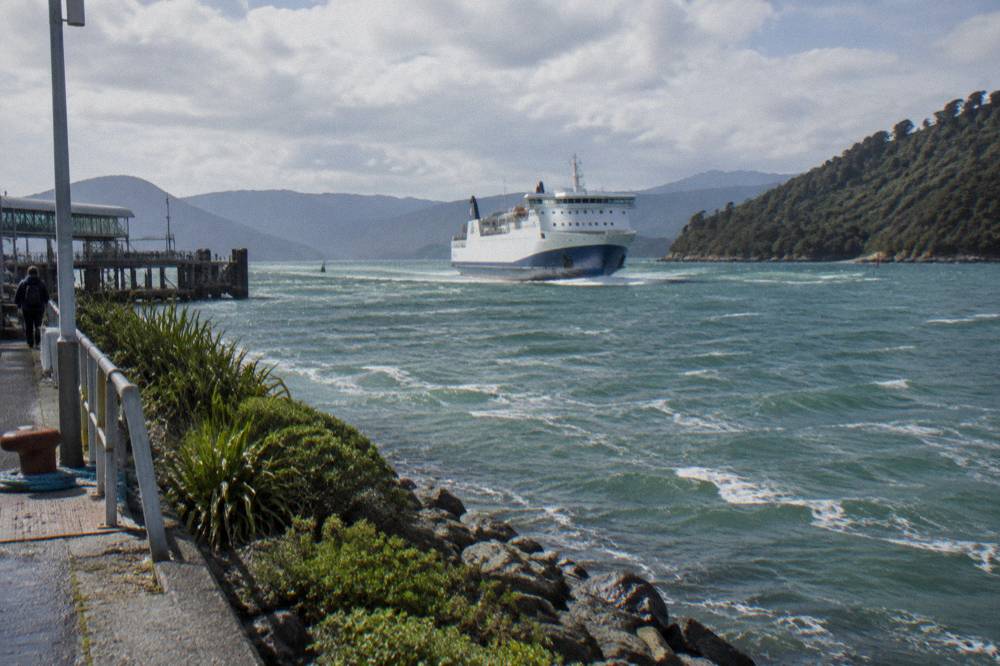
From the south, drivers reach Picton through Blenheim, and the Coastal Pacific train from Christchurch via Kaikoura and Blenheim ends at the Picton ferry terminal, connecting with the Interislander. Cruise ship passengers should note that the port schedule's ETA times are to the pilot station, so roughly three hours for Waimahara Wharf or two and a half hours for Waitohi Wharf must be added before the ship is actually alongside, which matters when booking a shore excursion with a fixed meeting time.
What Does A Marlborough Sounds Trip Cost?
Cruise prices run from $59.00 per person for the cheapest option with a substantial review record, a 2-hour shore excursion across 71 reviews, up to $128.84 per person for the most expensive per-person tour with 15 or more reviews, the Blumine Island eco-tour across 56 reviews. Mail boat cruises cost from $83.40 to $91.00 per person, and food and drink extras are mostly separate.
“The highlight of the tour is encountering 3 groups of dolphins on this tour, very pleasant surprise. There are times it's a bit slow and dull but for the price, it's very worthwhile.”
Only a few tours include food. The Endeavour Inlet cruise with lunch, 7.5 hours from $91.00 per person and rated 4.5 across 18 reviews, includes lunch. The Seafood Odyssea cruise includes a seafood tasting alongside its $86.28 fare. Most others exclude food and drink outright: the mail boat cruises ask you to bring a packed lunch, and Beachcomber cruises sell a $6 Keep Cup for tea and coffee rather than including hot drinks. Free tea and coffee is mentioned only on the Pelorus Mail Boat operator page for the Havelock run; the Picton mail run listing does not mention complimentary hot drinks.
| Extra | Typical treatment |
|---|---|
| Tea and coffee | $6 Keep Cup purchase on Beachcomber cruises; included on the Havelock mail run |
| Lunch | Included on the Endeavour Inlet cruise; bring your own on mail runs |
| Seafood tasting | Included on the Seafood Odyssea cruise |
| National park fees | Included on E-Ko wildlife tours |
| Alcohol | One glass of local wine on the PM E-Ko tour only; not bring-your-own on the Pelorus Sunday cruise |
| Hotel pickup | Not included on the Picton cruises that state it |
The mail boat schedule and cost guide covers the Beachcomber fare table in full.
Budget beyond the ticket: a Keep Cup, a packed lunch, and, for the private yacht charter, $12 per day in parking fees listed among its exclusions. At the other end of the scale, the 2-hour Kaipupu water taxi at $24.73 per person shows how cheaply a first taste of the water can be had, though with one review so far it is untested by a crowd.
The Motuara Island and Ship Cove cruise sits in the middle of that spread: 4.5 hours from $69.02 per person, rated 4.1 across 38 reviews, with toilets on board and free cancellation up to 24 hours out. It combines the two landmark stops most visitors name when asked what they want from the Sounds, and the Motuara Island tour guide and Ship Cove cruise guide each go deeper.
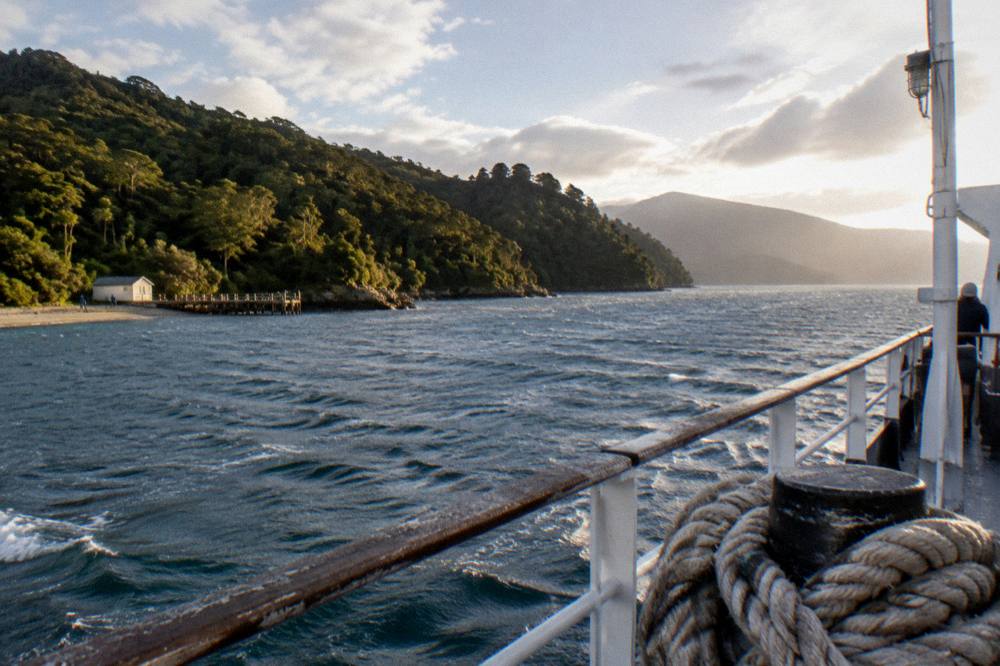
Practical Tips For A First Visit
Plan one full day in Picton per major cruise, book cruises with 24-hour free cancellation when the forecast is uncertain, arrive at the waterfront 30 minutes before check-in closes, and pack layers plus a rain jacket regardless of season. The Sounds are sheltered but the weather changes fast, and every operator's route and timing flexes around conditions and deliveries.
Biosecurity is the one tip visitors routinely miss. If a cruise lands you on Motuara or another sanctuary island, DOC asks you to check, clean and seal your gear so you do not carry pests, soil or seeds ashore; that means clean footwear, zipped packs and food in sealed containers. No dogs are allowed on Motuara or on the Queen Charlotte Track.
Pack for the boat, not the street. Even in February, the driest month at 65 mm of rain, a shower can pass through in an hour, and wind chill on the water in July is real. The what to wear guide has the full list. Motion sickness is rarely an issue on the inner sounds but worth preparing for on Tory Channel and Cook Strait approaches; the dedicated guide covers remedies and which routes are roughest.
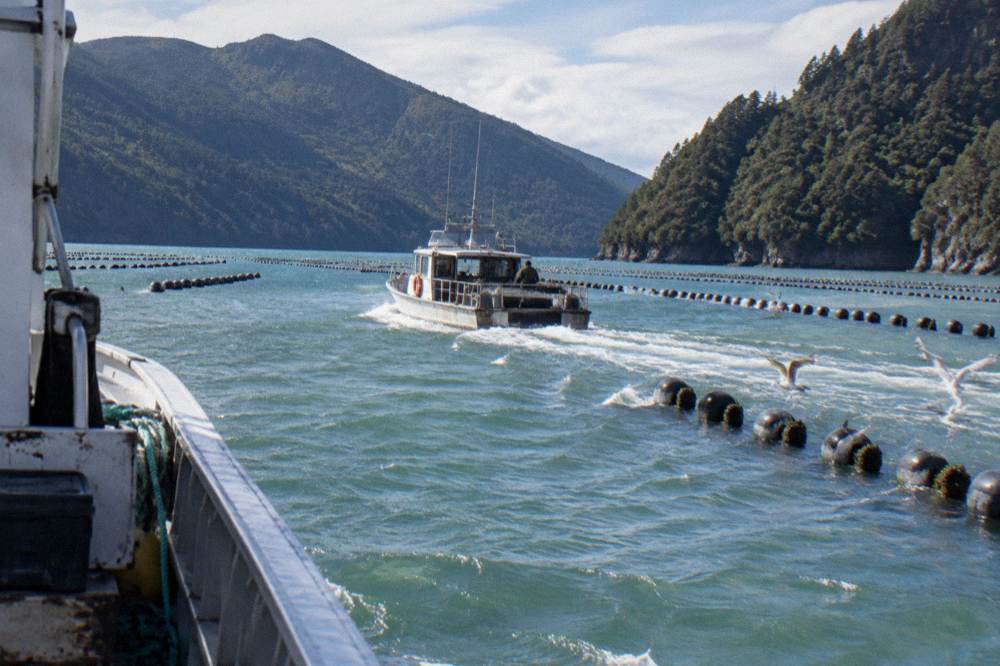
What Does The Weather Do Across The Year In The Sounds?
Rain falls in every season here, but winter is clearly the wettest: Picton averages about 1463 mm a year, with July the soggiest month at 207 mm and winter overall taking roughly 34% of the annual total. Summer is the driest stretch, and the inner Sounds stay sheltered while the outer reaches cop Cook Strait gales, with gusts of 63 km/h or more recorded at Brothers Island on 243 days a year. Operators themselves say autumn and winter can deliver some of the best conditions of the year, with glassy calm water and more marine life, including dolphins.
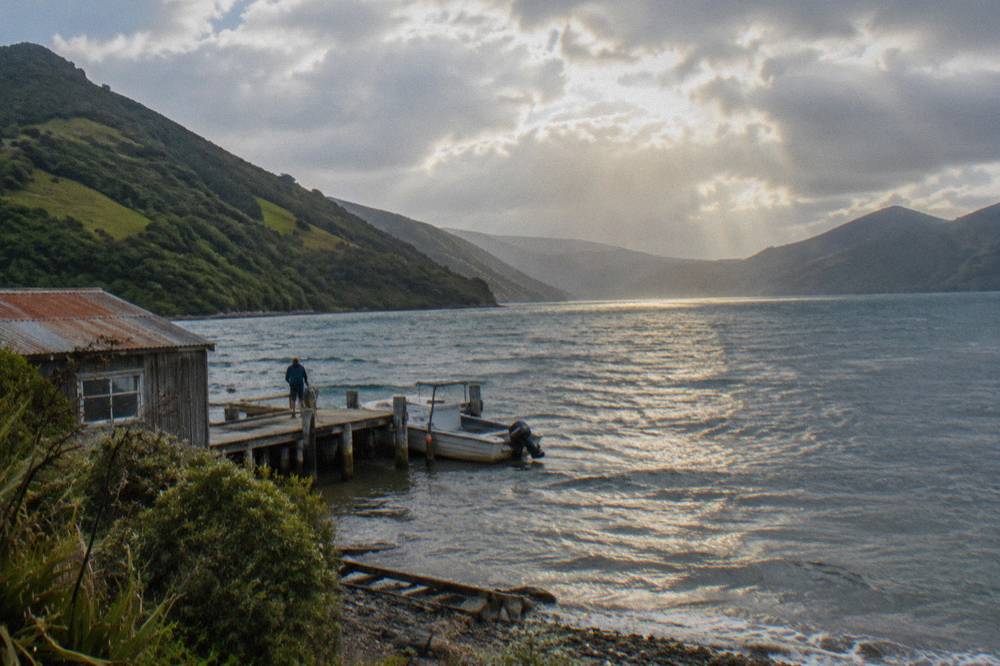
That last point surprises people, so take it seriously when you plan. The Pelorus Mail Boat FAQ puts it plainly: autumn and winter weather in the Marlborough Sounds can be some of the best of the year, with glassy calm water conditions and more marine life including dolphins. Beachcomber runs smaller vessels in winter, which fits the mood of the season. If you would rather cruise with a handful of people on still water than share a big boat with a summer crowd, the off-season deserves a look.
Summer has its own logic. Picton's rainfall drops to its lowest annual share then, with January at 87 mm and February at 65 mm, against those 207 mm in July. The monthly pattern climbs steadily from that February low through autumn, hits the June to August peak, then eases back down through spring. February is a good bet if you want the driest statistical month, though you should still pack a rain layer, because nowhere in the Sounds is ever genuinely dry.
Wind behaves differently from rain, and the geography explains why. Blenheim, sheltered in the Wairau Valley, gets its strongest winds in spring and summer and its fewest in winter, while the outer Sounds sit exposed to Cook Strait gales. That Brothers Island figure, gusts of at least 63 km/h on 243 days a year, tells you what the coast endures even when the water behind you looks like glass. Winds are mostly from the north-west, so a calm morning in an inner bay can turn gusty in a main channel by afternoon.
Two practical habits follow from all this. First, book a cruise with free cancellation, such as the Queen Charlotte Sound Mail Boat Cruise, which allows cancellation free up to 24 hours before departure, since a wild day on the outer water can be miserable even when the tour still runs. Second, think layers rather than a single season-proof outfit: a February day can feel like summer in Picton and like winter once a boat is running down-Channel towards open water. On select departures, tea and coffee on board is available if you bring or buy a $6 Keep Cup, which is a warmer sort of practical detail. Rain never stops the mail from getting through, and it rarely stops the boats either.
Common Questions About The Marlborough Sounds
What Are The Marlborough Sounds?
A network of drowned river valleys at the north-east corner of New Zealand's South Island, made up of Queen Charlotte, Pelorus, Kenepuru and Tory Channel among other waterways, with Picton on Queen Charlotte Sound and Havelock on Pelorus Sound.
Where Do Boat Trips Leave From In The Sounds?
Almost all from the Picton waterfront: Beachcomber Cruises at London Quay, E-Ko Tours at 1 Wellington Street, Cougar Line at Town Wharf and Seafood Odyssea at Town Wharf 6. The Pelorus Mail Boat alone departs from Havelock Marina on Pelorus Sound.
What Wildlife Can You See In The Marlborough Sounds?
Dusky, bottlenose, common and orca dolphins may be seen, with rare Hector's dolphins, and orca come near shore mainly from October to March. Fur seals gather around Kaipupu, and Motuara Island holds about 200 South Island saddleback along with robins, kakariki and bellbirds. Sightings are never guaranteed.
How Much Does A Marlborough Sounds Cruise Cost?
From $59.00 per person for a 2-hour scenic cruise, the lowest price among tours with a substantial review record, through $83.40 to $91.00 for mail boat cruises, up to $128.84 for wildlife eco-tours. A private yacht charter runs $5,464.30 per group for up to 15 people.
When Is The Best Time To Visit The Sounds?
February is the driest month, averaging 65 mm of rain and only 4 wet days, while July is the wettest at 207 mm. Operators themselves describe autumn and winter as sometimes delivering the calmest water and the most marine life, though nothing is promised.
Can You Get To The Marlborough Sounds Without A Car?
Yes. The Interislander and Bluebridge ferries arrive on foot from Wellington, the Coastal Pacific train terminates in Picton from Christchurch via Blenheim, and every Picton cruise departure point is a short walk from the ferry terminal and town centre.